









Introduction
Hot Tub Statistics: The Global Hot Tub Market is anticipated to reach around USD 6.4 billion by the year 2033, increasing from USD 4.2 billion in 2023, which indicates a compound annual growth rate (CAGR) of 4.3% during the forecast period spanning from 2024 to 2033. A hot tub, commonly known as a spa or Jacuzzi, is a sizable tub or a small pool that is filled with heated water. It serves purposes such as relaxation, hydrotherapy, or recreation, and is frequently equipped with jets designed for targeted massage.
Hot tubs are typically installed in residential homes, hotels, wellness centers, and resorts, providing users with therapeutic advantages, including stress alleviation, enhanced circulation, and muscle relaxation. Generally constructed from robust materials like acrylic or fiberglass, these units come in a variety of designs and sizes, catering to both individual users and groups.
Editor’s Choice
- The hot tub sector is anticipated to experience an annual growth rate of 9.63% from 2021 to 2026.
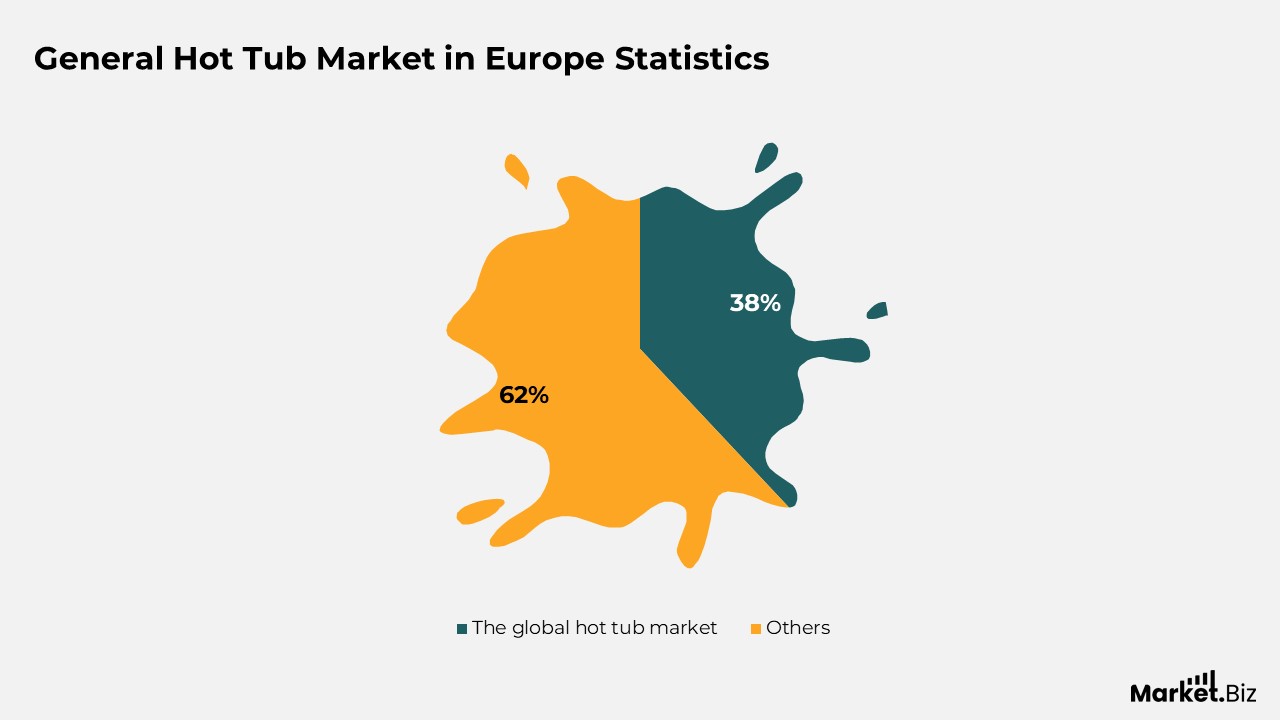
- The global hot tub market is on the rise, with 38% of future growth anticipated to come from Europe.
- According to Hot Tub Statistics, 73% of purchasers invest in hot tubs for health advantages or relaxation purposes.
- Data from Airbnb indicates that listings featuring hot tubs are booked 13% more frequently and can command an additional $39 per night.
- A hot tub can cost anywhere from $330 to more than $25,000, excluding installation and maintenance costs.
- 13% of homeowners consider their hot tub to be a wise investment in their property.
- Hot Tub Statistics indicate that 68% of child drowning victims are boys, while 32% are girls.
- The hot tub market in the Asia-Pacific region is projected to grow at approximately 3% annually from 2024 to 2029.
General Hot Tub Statistics
- The hot tub sector is anticipated to experience an annual growth rate of 9.63% from 2021 to 2026.
- Demand is expected to rise as individuals return to their regular activities following the pandemic, which bodes well for the industry.
- In the United States, approximately 4.6% of households and 1.8% of individuals possess a hot tub at home. However, this statistic primarily pertains to single-family residences.
- Many others benefit from hot tubs located in fitness centers, apartment complexes, or wellness clubs.
- The global hot tub market is on the rise, with 38% of future growth anticipated to come from Europe.
- Factors that affect sales include household income, property values, and maintenance costs.
- There are roughly 5.8 million hot tubs in the U.S., owned by individuals of various ages and backgrounds.
- According to Hot Tub Statistics, 73% of purchasers invest in hot tubs for health advantages or relaxation purposes.
- Warm water can alleviate joint discomfort, diminish arthritis symptoms, and aid in muscle recovery.
Moreover
- A survey conducted with 500 U.S. adults revealed that 8.1% currently own a hot tub, while 18% have owned one in the past.
- When queried about luxury home enhancements, over 27% of respondents ranked hot tubs as their top or second choice. This indicates that energy-efficient hot tubs continue to be sought after, even amid economic changes.
- Despite the growth in the hot tub market, production of hot tubs in the U.S. has seen a decline.
- Medical spas contribute to the hot tub industry, with U.S. medical spas generating approximately $1.53 million in annual revenue in 2018. These spas draw customers seeking warm water therapy, relaxation, and wellness treatments.
- Hot Tub Statistics also noted that hot tubs can enhance business profits, particularly for hotels and vacation rentals.
- Data from Airbnb indicates that listings featuring hot tubs are booked 13% more frequently and can command an additional $39 per night.
- Incorporating a hot tub can render a vacation rental more appealing and boost profitability.
Hot Tub Cost Statistics
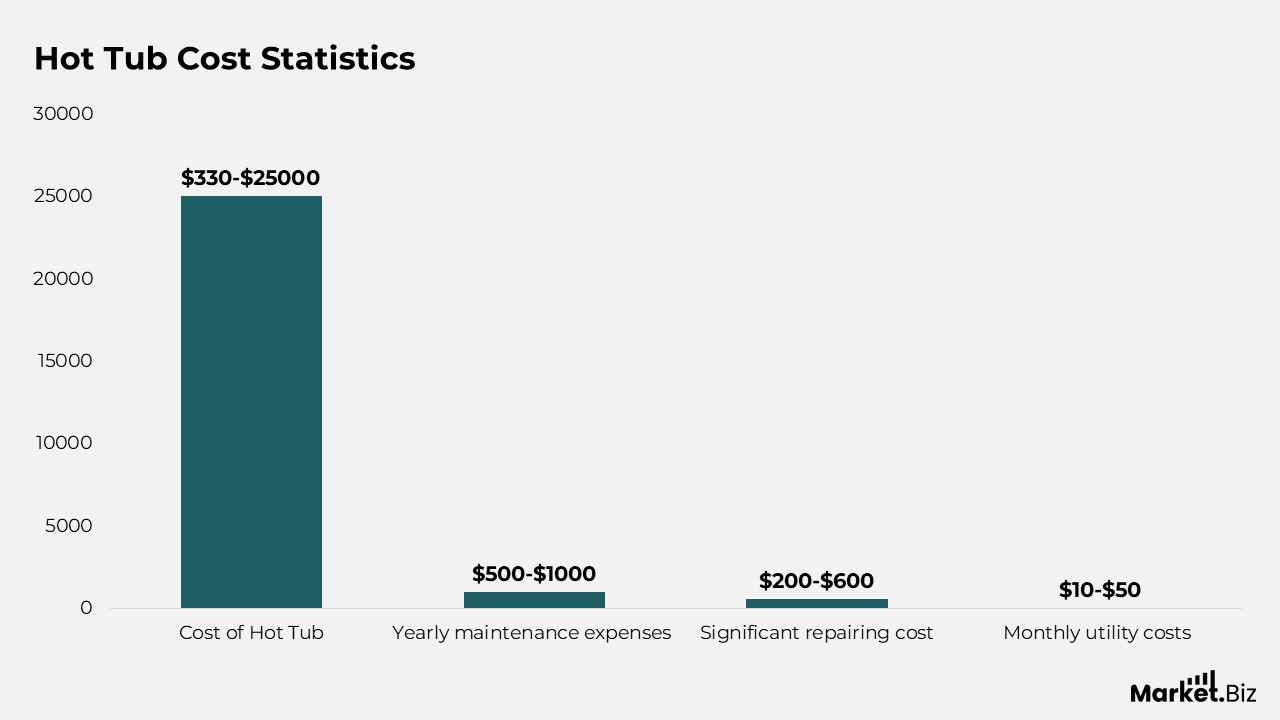
- A hot tub can cost anywhere from $330 to more than $25,000, excluding installation and maintenance costs.
- Hot Tub Statistics reported that yearly maintenance expenses generally range from $500 to $1,000, while significant repairs may incur costs between $200 and $600, depending on the nature of the problem.
- Monthly utility costs typically include $10 to $50 for electricity and approximately $20 for cleaning products, such as chemicals.
- 13% of homeowners consider their hot tub to be a wise investment in their property.
- An in-ground hot tub can enhance a home’s value, with homeowners recovering about 50% of the installation expenses upon selling.
- Above-ground hot tubs are generally not included in home appraisals, as they are regarded as personal property that owners can take with them when relocating.
Hot Tub Drowning Statistics
- Drowning is the primary cause of fatalities among children aged 1-4 due to their insufficient swimming abilities and lack of awareness regarding water safety.
- According to Hot Tub Statistics, 73% of drowning fatalities involve children younger than 5 years old.
- Furthermore, 80% of emergency room visits for non-fatal injuries related to pools or hot tubs involve children under the age of 5.
- While younger children are at the greatest risk, those under 15 years old also encounter drowning hazards.
- From 2017 to 2019, there were 389 fatalities associated with pools or hot tubs.
- 70% of drowning deaths in children under 15 occur in private residences, whether at their own home or at the home of a friend or neighbor.
- Men are twice as likely to drown in hot tubs compared to women.
- Almost 80% of drowning victims across all aquatic environments are male.
- Men generally engage in riskier behaviors and are more prone to consuming alcohol in proximity to water.
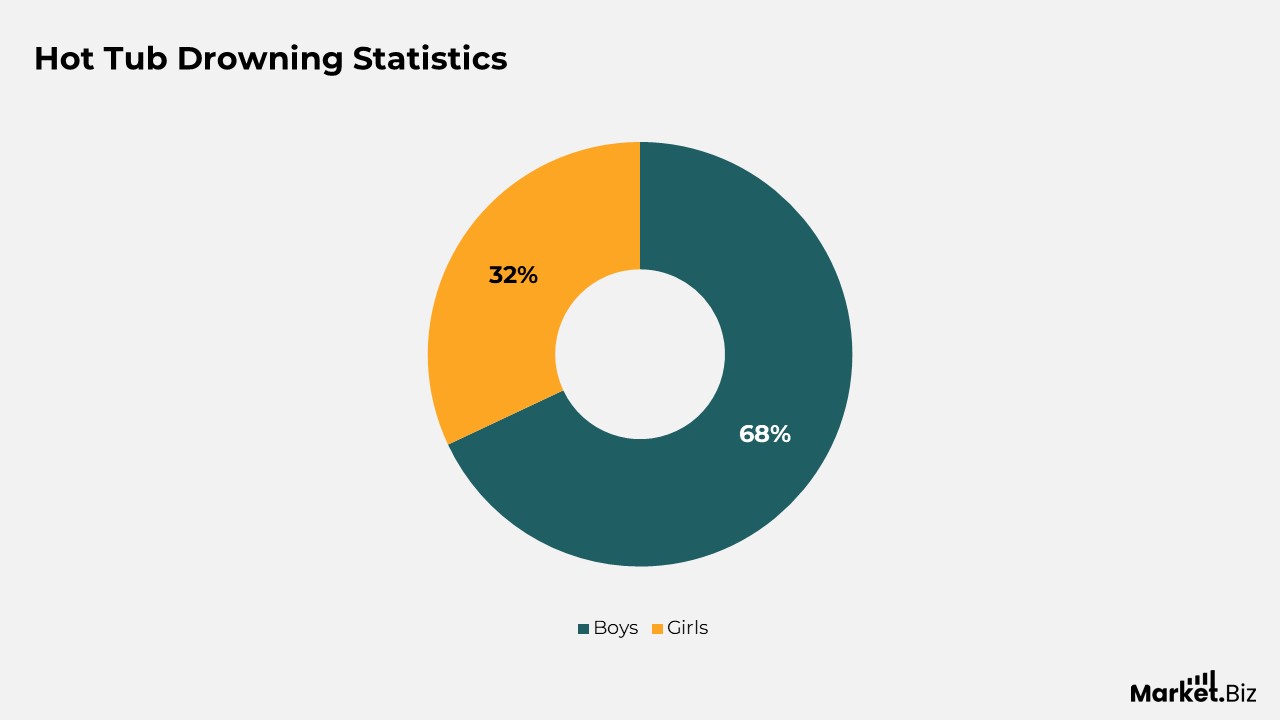
- Hot Tub Statistics indicate that 68% of child drowning victims are boys, while 32% are girls.
- Each year in the United States, approximately 3,500 to 4,000 individuals drown, which averages to about 10 deaths daily.
- Hot Tub Statistics also reveal that 87% of drowning fatalities among children under 5 occur in home pools or hot tubs.
- The majority of drowning incidents take place at the residences of family members or friends.
Regional Hot Tub Statistics
Europe
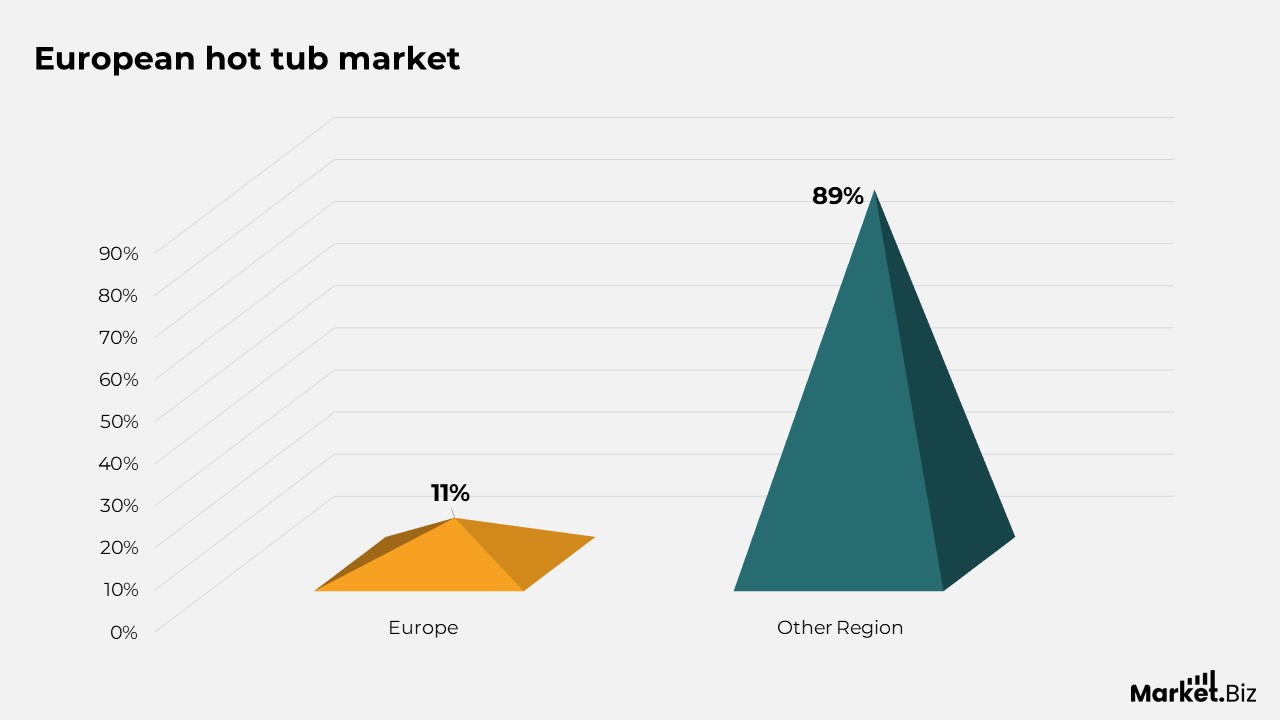
- The European hot tub market has seen remarkable growth, averaging around 11% per year from 2019 to 2024.
- The commercial sector plays a significant role in this achievement, particularly within holiday resorts.
- Consumers in Europe generally prefer smaller hot tubs that accommodate families and intimate gatherings, which aligns with their lifestyle choices.
- A growing awareness of wellness benefits has led more individuals to invest in hot tubs for relaxation and therapeutic uses.
- As reported by Hot Tub Statistics, energy-efficient models are in high demand, as many Europeans prioritize environmental sustainability.
- The high-end renovation market is flourishing, with the U.K. and France being key players.
- Europe is recognized as a global leader in spa culture, hosting one-third of all spa locations worldwide, which contributes to the market’s steady growth.
North America
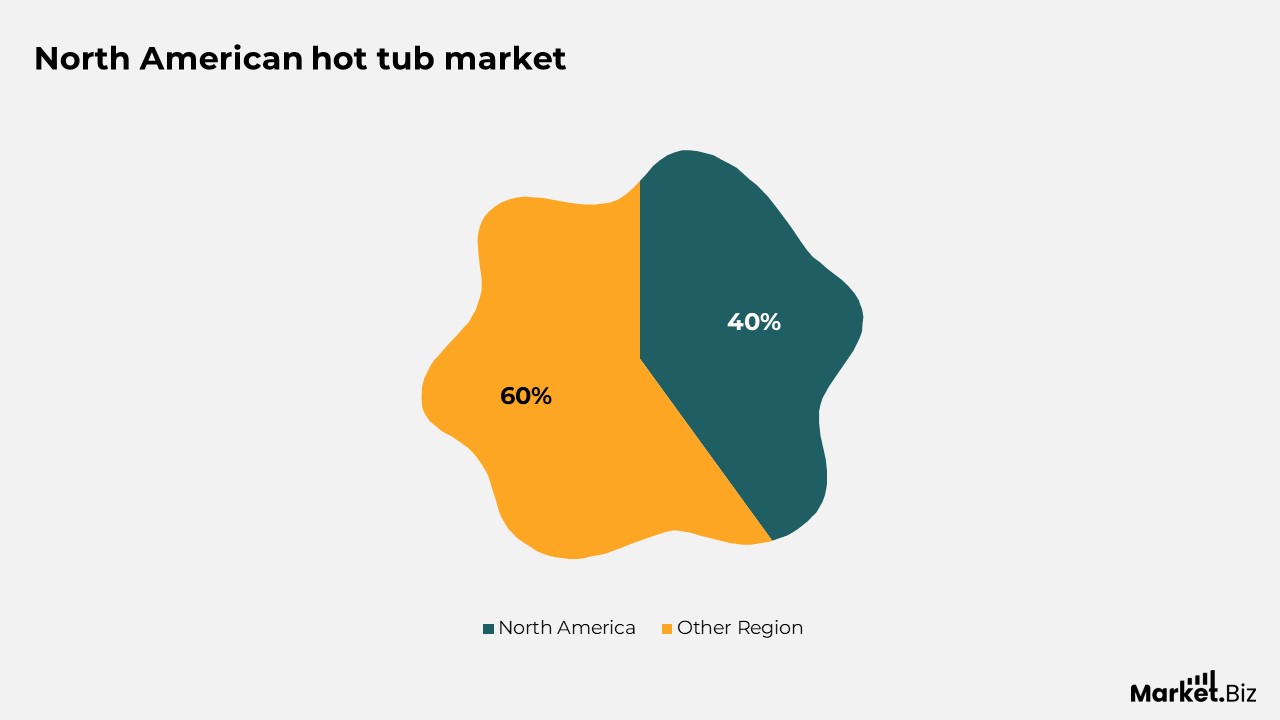
- North America remains the largest market for hot tubs, representing approximately 40% of the market share in 2024.
- This region leads the industry due to a strong manufacturing network, having the highest number of hot tub manufacturers globally.
- The market is highly competitive, featuring large, medium, and small-scale manufacturers.
- The European hot tub market has seen remarkable growth, averaging around 11% per year from 2019 to 2024.
- The commercial sector plays a significant role in this achievement, particularly within holiday resorts.
- Consumers in Europe generally prefer smaller hot tubs that accommodate families and intimate gatherings, which aligns with their lifestyle choices.
- A growing awareness of wellness benefits has led more individuals to invest in hot tubs for relaxation and therapeutic uses.
- As reported by Hot Tub Statistics, energy-efficient models are in high demand, as many Europeans prioritize environmental sustainability.
- The high-end renovation market is flourishing, with the U.K. and France being key players.
- Europe is recognized as a global leader in spa culture, hosting one-third of all spa locations worldwide, which contributes to the market’s steady growth.
South America
- The hot tub sector in South America is on the rise, with Mexico becoming a key production hub.
- There is an increasing demand for wellness tourism, particularly in Brazil and Colombia.
- Manufacturers are investing in innovative technologies to improve hot tub designs and meet changing customer preferences.
- Hot Tub Statistics show that heightened competition encourages the development of more innovative and energy-efficient products.
- Urban consumers favor customizable and eco-friendly hot tubs, which is boosting sales.
- Demand is driven by both residential and commercial markets, with luxury hotels and spas being the leading purchasers.
Asia-Pacific
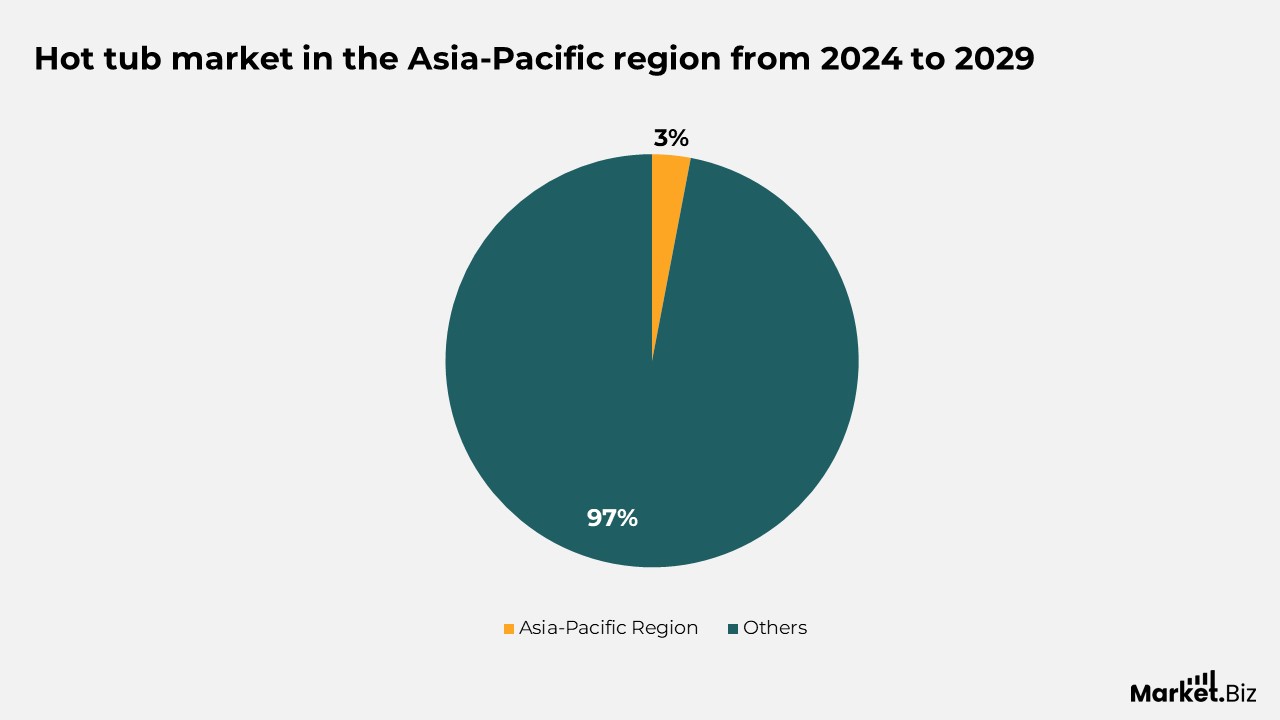
- The hot tub market in the Asia-Pacific region is projected to grow at approximately 3% annually from 2024 to 2029.
- This growth is driven by a burgeoning middle-class population and rising disposable incomes, particularly in China and India.
- Demand is increasing in both residential and commercial sectors, especially among luxury hotels and wellness centers.
- Chinese brands are broadening their market presence, particularly in Australia, by offering affordable yet high-quality models.
- Technological advancements are reshaping the industry, with smart features and energy-efficient designs becoming increasingly prevalent.
Hot Tub Ownership Statistics
- In the United States, there are roughly 7.3 million hot tubs, while the global total reaches 26 million, with more than 17,000 individuals enjoying them at any moment.
- Hot tub proprietors typically retain their tubs for an average duration of 7.5 years, and nearly 40% of these hot tubs are either sold in the secondhand market or donated, indicating their enduring worth.
- The longest documented hot tub session extended for an astonishing 306 hours; however, specialists advise that sessions should be limited to 30 minutes for safety reasons.
Recent Developments
- In 2023, Watkins Wellness, a significant entity in the hot tub and aquatic fitness industry, declared its entry into the sauna market by acquiring Sauna360 Group Oy through its parent company, Masco Corporation.
- Sauna360, a worldwide frontrunner in sauna solutions, provides a wide array of products, including infrared, traditional, steam solutions, and wood-burning saunas, marketed under renowned brands such as Finnleo, Helo, Kastor, Tylö, and Amerec, primarily in the U.S. and Europe. The acquisition is anticipated to be finalized by the third quarter, pending regulatory approval.
- In 2024, Sundance Spas launched the 880 Series Spas, which feature the innovative SunStrong frame. This fire-up steel structure is designed for improved strength, durability, and sustainability. Produced in an environmentally friendly facility utilizing recycled materials, the frame is entirely recyclable, highlighting Sundance’s dedication to environmental sustainability.
Conclusion
The worldwide hot tub market is poised for consistent growth, fueled by an increasing consumer interest in wellness, leisure at home, and advancements in technology. Key trends influencing demand include smart features, energy efficiency, and customization, which attract both residential and commercial purchasers.
Although there are challenges such as elevated costs and energy usage, the market presents significant opportunities, especially with the growing emphasis on environmentally friendly designs and the incorporation of hot tubs into outdoor living areas. Leading companies are continuously innovating to cater to varied consumer preferences, thereby ensuring ongoing market growth in the years ahead.
FAQs
In 2023, the global market for hot tubs was valued at $5.48 billion, and it is anticipated to grow to $6.68 billion by 2029. More than half of this market share is derived from commercial hot tub users, including spas, resorts, hotels, and various leisure facilities.
Children are particularly susceptible to the effects of hot water due to their smaller physiques, thinner skin, and less effective body temperature regulation compared to adults. Although many hot tubs promote comfort and relaxation, they are not inherently safe for younger users.
Generally, a hot tub that is properly maintained can endure for a period ranging from 10 to 20 years. Nevertheless, this lifespan can vary considerably based on multiple factors. The quality of the materials utilized in its construction, such as robust shells, dependable plumbing, and solid frames, plays a crucial role in determining a hot tub’s durability.