








Introduction
Social Media Addiction Statistics: Approximately 210 million individuals worldwide are addicted to social media. Of this number, 33.19 million are from the United States, accounting for 10% of the American population.
Social media addiction is especially common among younger individuals, with 82% of Gen Z adults admitting to their reliance on platforms such as Instagram, TikTok, and Twitter. Furthermore, 36% of teenagers indicate that they engage in excessive social media use, which is frequently associated with adverse mental health effects, including anxiety, stress, and depression.
More than 1.54 billion people globally struggle with this modern dependency. Applications like Facebook, Instagram, and TikTok are designed to be addictive, motivating the same neural pathways as drugs.
By the year 2027, the number of social media users is expected to surge to nearly 6 billion, highlighting the remarkable scale of global social media engagement. Nevertheless, this also indicates that there are considerable differences in social media usage and addiction across various countries, regions, cultures, and socioeconomic classes.
Editor’s Choice
- In the United States, 95% of teenagers have access to smartphones, with around 45% being online nearly all the time.
- On average, teenagers dedicate 5 hours and 33 minutes each day to screen media.
- Daily, teenagers spend 2 hours and 10 minutes on social media.
- Over 60% of users express feelings of loneliness, even while being more connected online.
- Using social media at night has resulted in poor sleep quality for 80% of young adults.
- Employees typically dedicate around 32% of their workday to browsing social media.
- 42% of Instagram users express pressure to check the app several times each hour.
- Millennials create the largest proportion of social media users, accounting for 37%.
- A significant 82% of Gen Z see social media as “addicting,” while 76% recognize their reliance on technology.
- Furthermore, 10% of teenagers check their mobile devices more than ten times each night.
General Social Media Addiction Statistics
- Worldwide, approximately 4.48 billion people are active on social media, representing 57% of the total global population.
- In the United States, 95% of teenagers have access to smartphones, with around 45% being online nearly all the time.
- Facebook continues to be a favored platform in the United States, with 69% of American adults participating on it. The social media behemoth has an extensive global user base of 2.85 billion individuals.
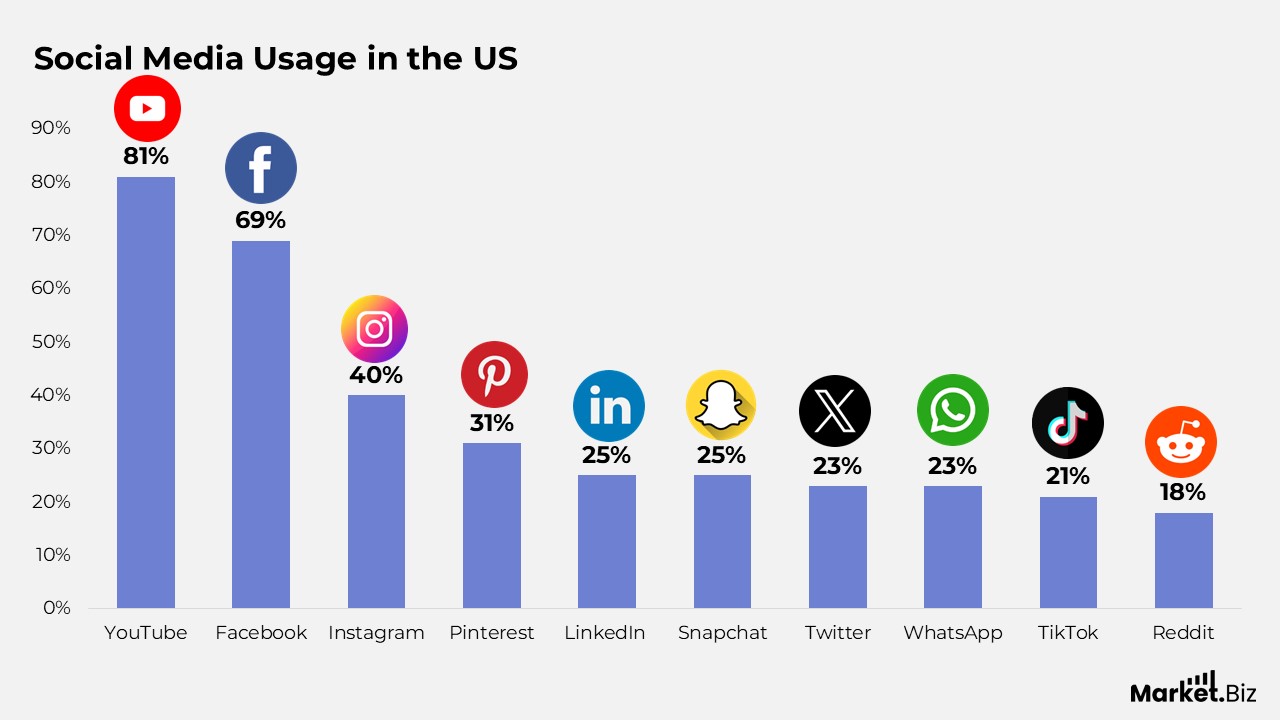
- Instagram has around 1.38 billion users worldwide. Similar to Facebook, Instagram allows users to interact through comments and likes on their posts.
- X (previously known as Twitter) has a global user base of 397 million people, with approximately 23% of U.S. adults actively engaging on the platform.
- TikTok has experienced rapid growth, reaching 732 million users globally, with an impressive average monthly increase of 20 million users over the past two years, contributing to its widespread appeal.
- An astonishing 95% of teenagers have smartphone access, and among them, 54% struggle to envision a life without social media.
- Moreover, a remarkable 97% of teenagers use the internet on a daily basis, highlighting its significant role in their daily lives.
- In the United States, the average individual manages 7.1 social media accounts, placing the U.S. between India’s higher average of 11.5 accounts and Japan’s more modest 3.8. On a global level, individuals maintain an average of 8.4 social media accounts.
Further
- Among social media users, 39% admit to feeling addicted to social media, while only 9% fully agree with the statement, “I am addicted to social media.”
- 67% of teenagers experience a decline in self-esteem due to social media, as they compare their lives to the curated content they encounter.
- On the other hand, 73% find solace and support on these platforms during difficult times, illustrating the dual effects of social media on the lives of young individuals.
- Among females who received their first smartphone at the age of 6, 74% had mental well-being scores categorized as distressed or struggling.
- This figure dropped to 61% for those who got their first smartphone at age 10, and further decreased to 52% for those who received it at age 15.
- Even among individuals who obtained their first smartphone at age 18, 46% were still facing mental distress or struggling.
- This statistic highlights a significant percentage compared to those aged 45 and older, where fewer than 14% reported experiencing similar distress, having grown up before the widespread adoption of the internet.
- Roughly one-third of users, particularly within the 16–24 age demographic, believe that engaging with social media platforms improves their self-esteem.
- However, about 24% disagree, while a larger segment, approximately 43%, remains neutral or uncertain regarding its influence on self-perception.
- The majority (65%) of social media users felt at ease with their usage. Only 32% thought they were spending excessive time on these platforms.
- A notable 33% reduction in the risk of depression among older people is linked to their engagement with social media.
Social Media Addiction by Youths Statistics
- On average, teenagers dedicate 5 hours and 33 minutes each day to screen media.
- The screen time for teenagers rose from 7 hours and 22 minutes in 2019 to 8 hours and 39 minutes in 2021.
- Daily, teenagers spend 2 hours and 10 minutes on social media.
- A significant 61% of tweens and 62% of teenagers indicate a strong preference for viewing online videos. This figure notably exceeds participation in other activities, such as television, which is favored by 48% of tweens, and video games, which attract 39% of teenagers.
- Teenagers allocate 1 hour and 46 minutes each day to online videos, which is slightly more than the 1 hour and 39 minutes that tweens spend.
- Among teenagers, 32% would select YouTube as the platform they find indispensable. This is followed by Snapchat at 20% and TikTok at 13%, illustrating the preferences of individuals aged 13 to 18.
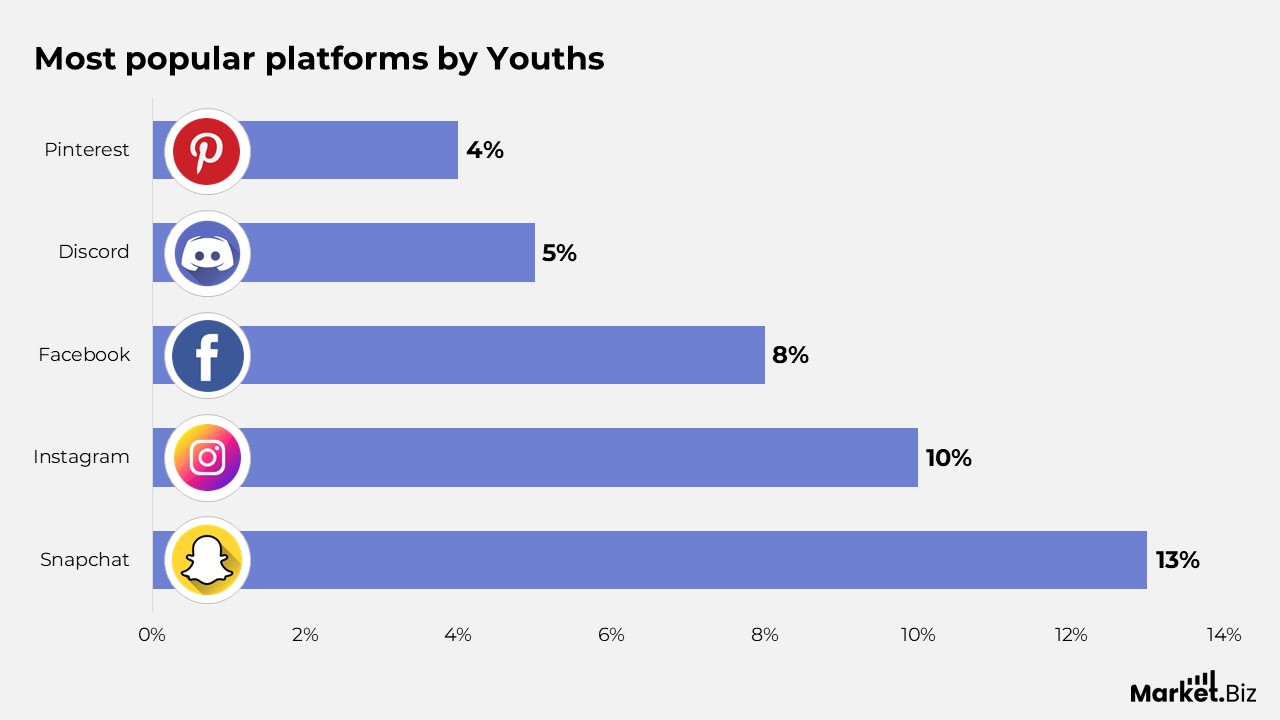
- On average, tweens engage with social media for 1 hour and 39 minutes daily. The five most popular platforms among teens are Snapchat (13%), Instagram (10%), Facebook (8%), Discord (5%), and Pinterest (4%).
Moreover
- Only 34% of teenagers report enjoying social media “a lot,” which contrasts sharply with the 62% who express a similar level of enjoyment for watching online videos.
- In terms of digital communication among minors, 71% use Facebook, 52% use Instagram, 41% engage with Snapchat, and 33% turn to Twitter for their online interactions.
- Furthermore, around 20% of 13-year-olds produce multiple posts on weekends, whereas only 5% do so on school days.
- Among teenagers, 77% engage with YouTube on a daily basis. Following this, TikTok is utilized daily by 58% of teens.
- Approximately half of the adolescent population uses Instagram (50%) or Snapchat (51%) on a daily basis, while only 19% report daily engagement with Facebook.
- Nearly 19% of teenagers indicate they use YouTube almost constantly. This is succeeded by TikTok at 16% and Snapchat at 15%.
- More than half of the teenagers (54%) find it difficult to detach from social media, stating that it would be somewhat or very challenging.
- On the other hand, about 46% believe it would be somewhat or very easy.
- Girls (58%) are more inclined than boys (49%) to report difficulties in giving up social media. Furthermore, older teens aged 15 to 17 (58%) are more likely than their younger counterparts aged 13 to 14 (48%) to find it hard to let go of social media.
- Among teenagers, 32% feel that social media has mainly negative impacts on individuals their age. However, only 9% of teens view social media as having predominantly negative effects on themselves.
Statistics of Social Media Addiction by Country
- Approximately 10% of the population in the United States, which translates to around 33.19 million individuals, is estimated to be addicted to social media.
- In the upcoming five years, the number of social media users is projected to rise by 8.61%, reaching 326.75 million by 2029, which is likely to indicate an increase in the percentage of Americans who are addicted to social media as well.
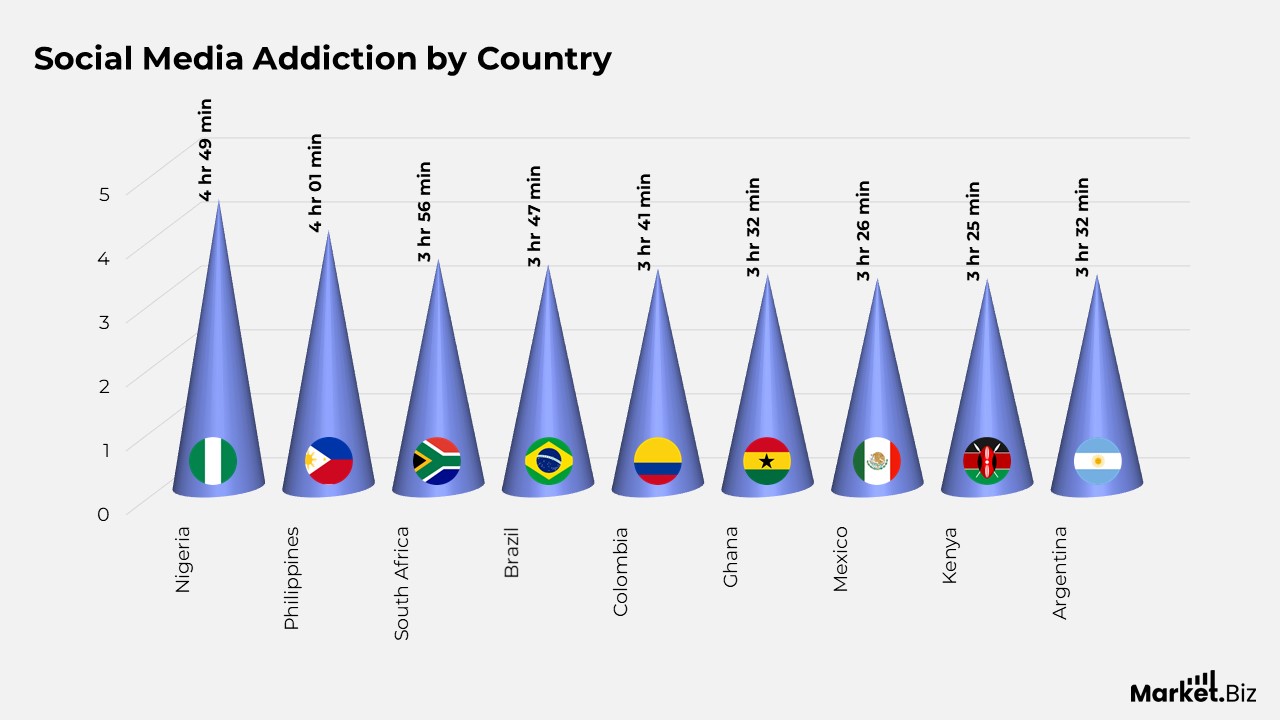
- In other parts of the globe, Nigerians appear to be the most addicted to social media, dedicating an average of 4 hours and 49 minutes each day to it.
- Filipinos follow closely behind, spending 4 hours and 1 minute daily, while South Africans, Brazilians, and Colombians complete the top five rankings.
- On the other hand, in a nation like Poland, only 1.98% of the population identifies social media addiction as a potential concern. They are approximately twice as likely to be addicted to their work as to social media.
Social Media Addiction and Mental Health Statistics
- It is alarming to observe that 66% of teenagers report that social media has negatively impacted their body image.
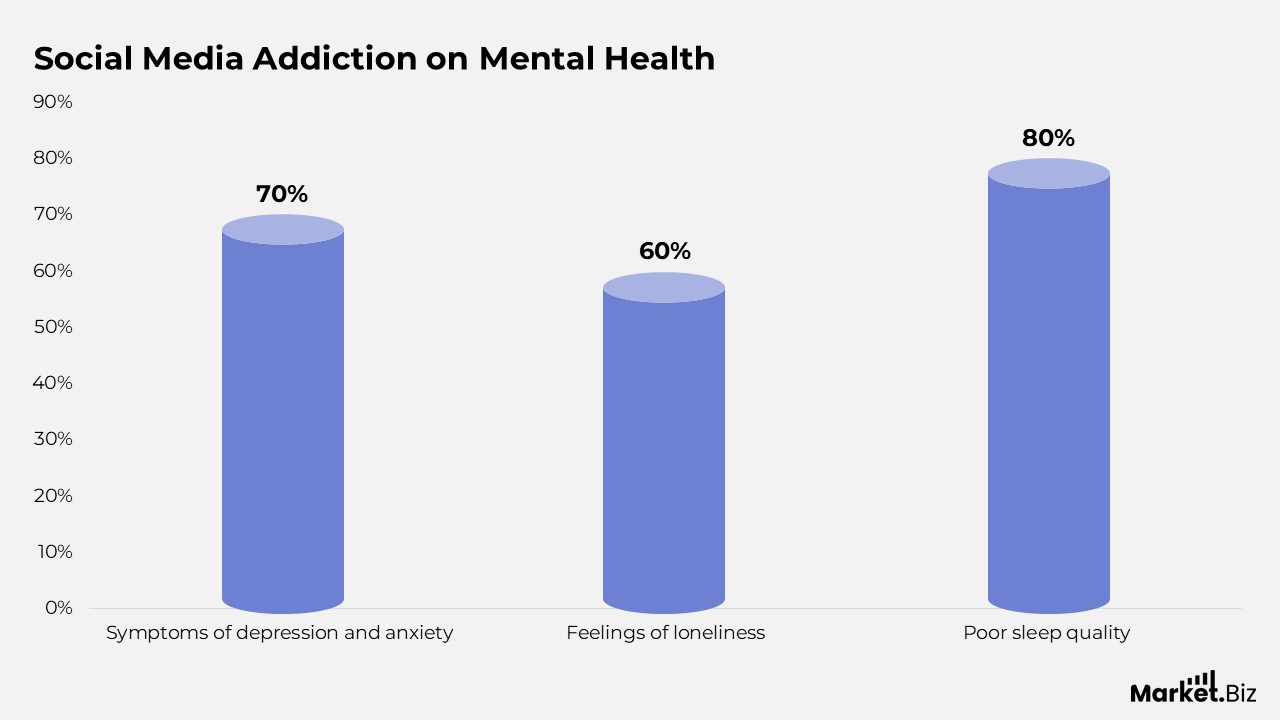
- High levels of social media engagement are associated with a 70% rise in symptoms of depression and anxiety among young adults.
- Over 60% of users express feelings of loneliness, even while being more connected online.
- Using social media at night has resulted in poor sleep quality for 80% of young adults.
- Engaging in doom-scrolling before bedtime raises stress and anxiety levels by more than 40%.
- It is important to understand that social media addiction extends beyond mere excessive screen time; it also influences mental health:
- 68% of adults contend that excessive use of social media contributes to anxiety and depression.
- 48% of young adults aged 18-24 have indicated that they feel “addicted” to social media.
Social Media Addiction and Productivity Statistics
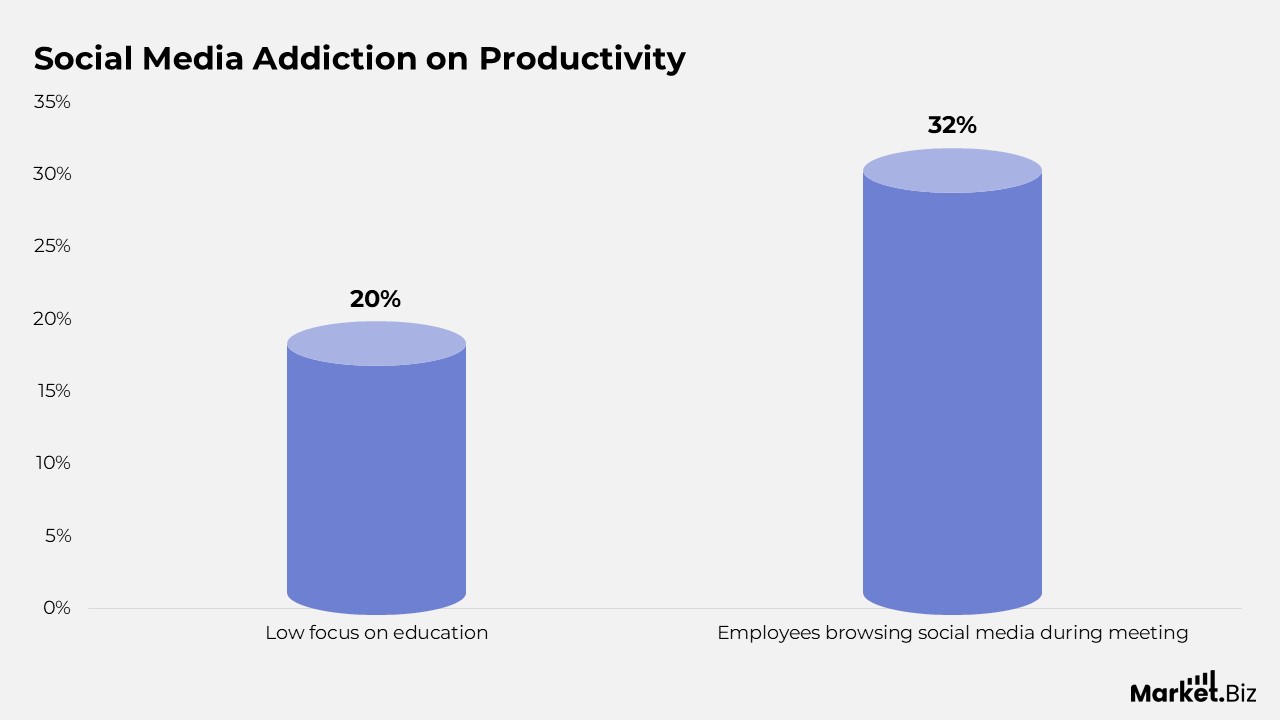
- Employees typically dedicate around 32% of their workday to browsing social media.
- Social media-related distractions result in an annual loss of $650 billion in productivity for businesses.
- Students who engage with social media while studying tend to score 20% lower on their exams.
- To improve workplace concentration, companies are increasingly implementing ‘no social media’ policies.
Statistics of Social Media Addiction by Platform
- TikTok users dedicate an average of 95 minutes each day to the app, which is the highest duration among all social media platforms.
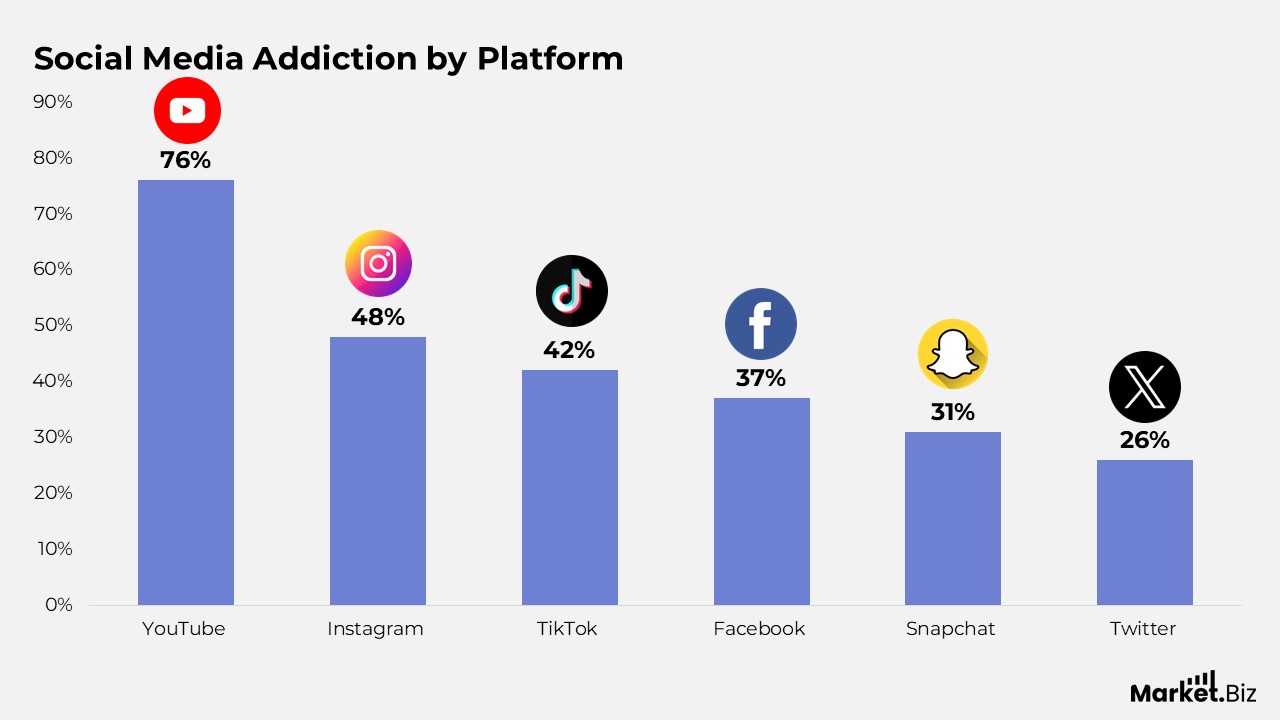
- 42% of Instagram users express pressure to check the app several times each hour.
- 31% of Snapchat users indicate that they experience anxiety if they have not accessed the app for over 3 hours.
- YouTube users aged 18 to 24 spend an average of 2 hours and 18 minutes daily consuming content.
- 61% of TikTok users report losing track of time while engaging with the app, in contrast to 37% of Facebook users.
- 48% of Instagram users admit to attempting to limit their usage, yet only 19% succeeded for more than a week.
- Among Twitter users, 26% acknowledge checking the app at least once during the night while attempting to sleep.
- 53% of Facebook users aged over 40 claim they use the platform more out of habit than genuine interest.
- 39% of Snapchat users under the age of 25 feel “left out” if they do not check stories on a daily basis, compared to 14% of users over 30.
- 64% of TikTok users believe that the app’s algorithm encourages them to scroll for longer than they initially intended.
- Among Instagram users, 35% feel worse about their appearance after using the app for over 30 minutes.
Social Media Addiction Impact on the Workplace Statistics
- Employees typically allocate an average of 52 minutes each workday to social media for personal use.
- Almost 37% of managers report that social media has adversely impacted productivity within their teams.
- Workers aged 18 to 29 are more inclined to use social media at work (63%) compared to those aged 45 and above (28%).
- About 31% of employees indicate that they have been distracted by social media while attempting to meet deadlines.
- Remote employees are more prone to multitasking with social media during work hours (58%) than their in-office counterparts (34%).
- Nearly 25% of organizations have adopted software to monitor or limit social media usage during work hours.
- More than 46% of employees report taking brief social media breaks throughout the day to improve stress.
- Roughly 18% of HR professionals state that they have had to resolve workplace conflicts arising from social media interactions.
- Approximately 53% of employees follow or interact with their company’s official social media profiles.
- Only 12% of employees claim that their workplace offers training on responsible social media practices during work hours.
- Around 21% of employees assert that social media has facilitated networking or job opportunities while they are still employed.
Social Media Addiction Demographics
Gender
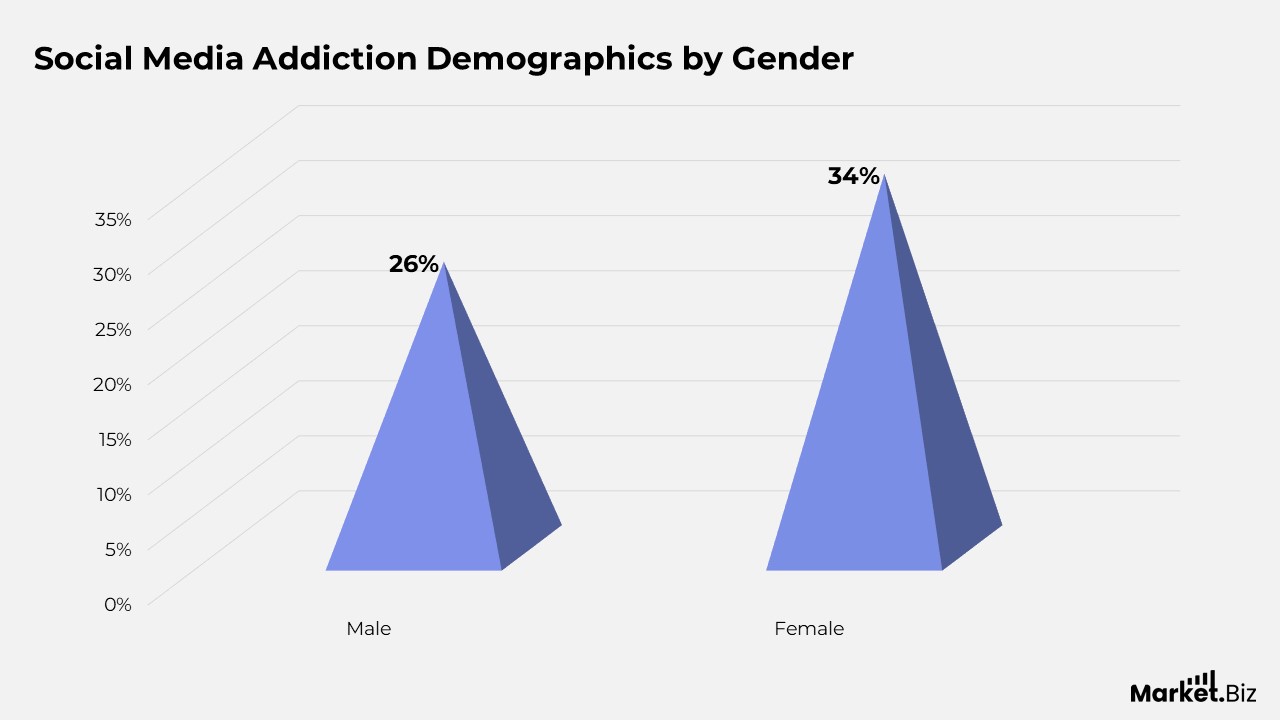
- Worldwide, 6% of men and 32% of women show an addiction to social media, highlighting a significant gender disparity in digital dependency.
- In the United States, this trend continues, with 26% of men and 34% of women experiencing social media addiction, indicating a marginally elevated rate among women.
- Younger women (ages 18-34) are more focused on building relationships, whereas older women (ages 35-50) utilize social media primarily to maintain connections.
Age
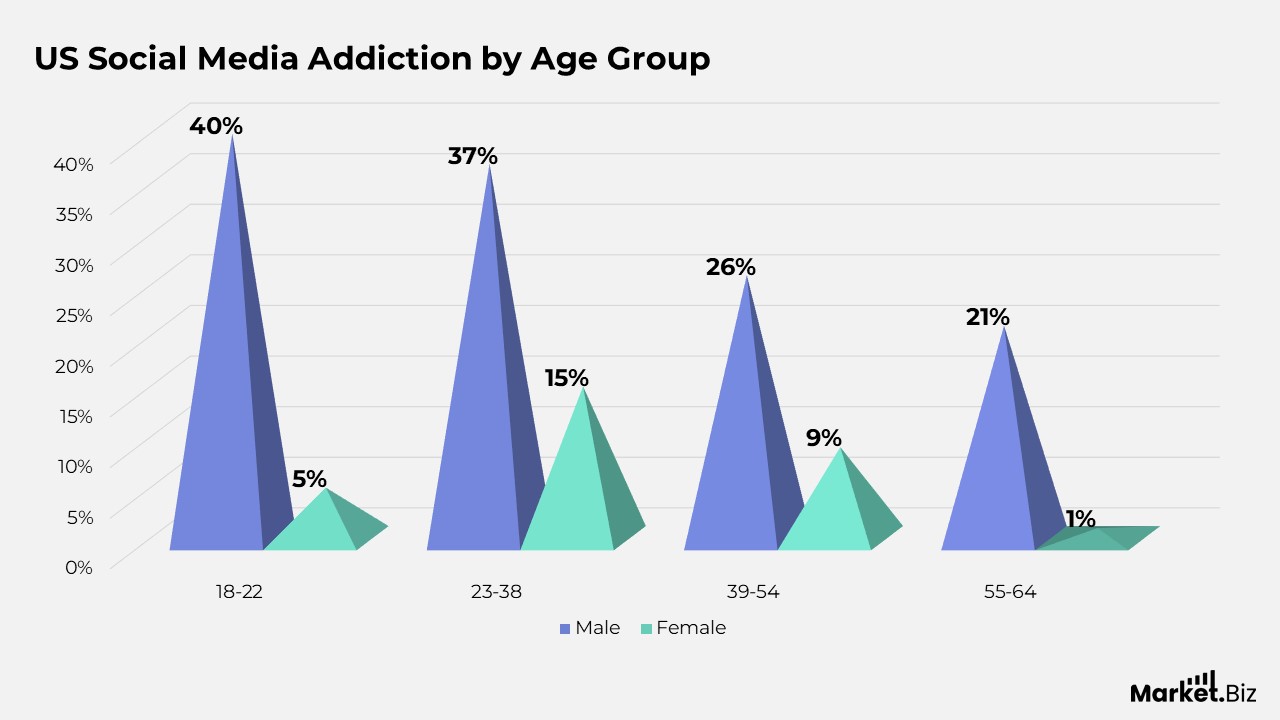
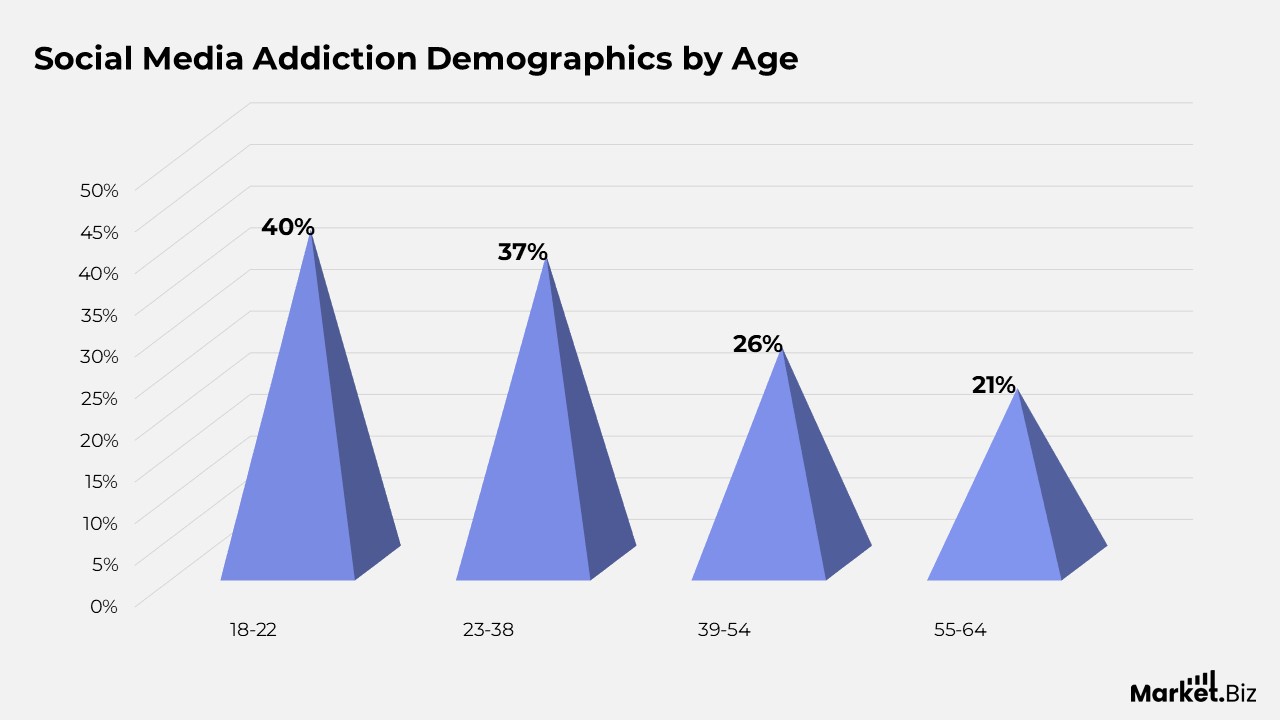
- Social media addiction is prevalent primarily among individuals aged 18 to 22 in the United States, with 40% of this demographic indicating that they experience addiction.
- The trend continues among those aged 23 to 38, where 37% of individuals in this age bracket are similarly impacted.
- Conversely, individuals aged 55 to 64 show a lower yet still significant addiction rate of 21%, suggesting that although the influence of social media decreases with age, it remains a vital tool for older adults to stay connected with family, friends, and current affairs.
Race
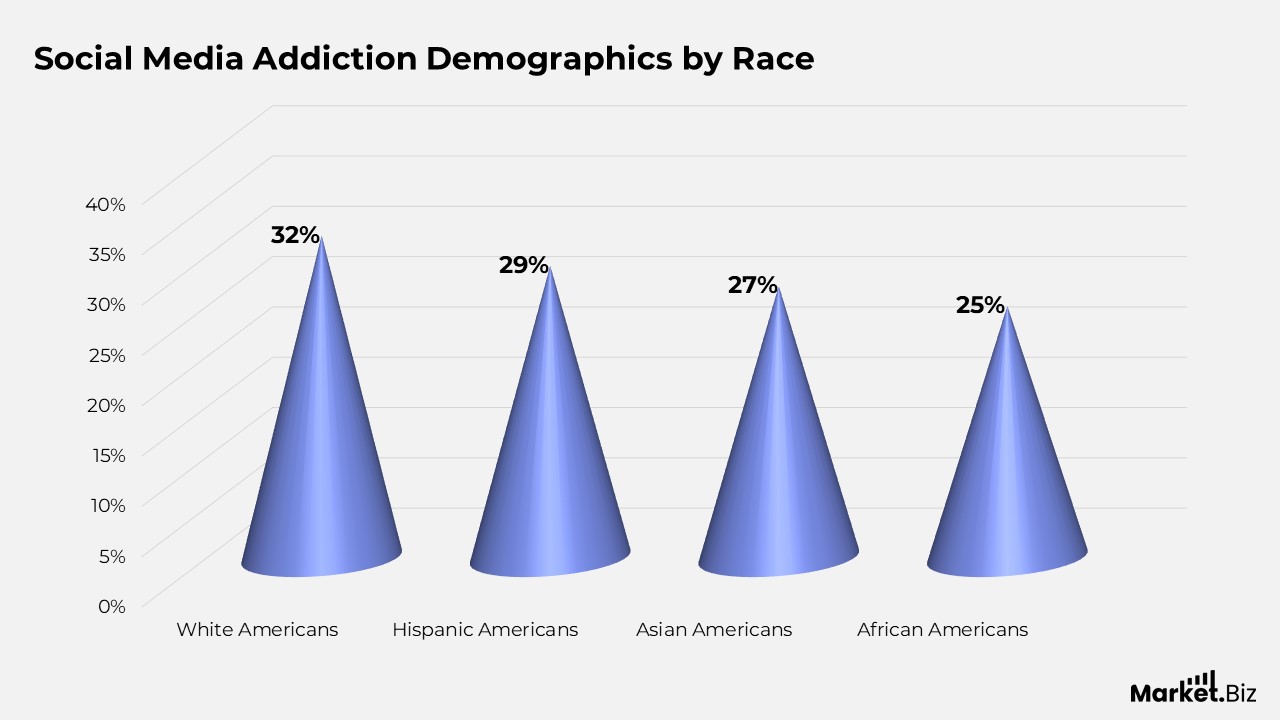
- White Americans in the United States exhibit the highest level of social media addiction, with 32% demonstrating a dependency on these platforms.
- Hispanic Americans are not far behind, with 29%, reflecting significant social media engagement within this demographic.
- Asian Americans show a marginally lower addiction rate of 27%, whereas African Americans report the least at 25%.
Social Media Addiction by Generations Statistics
Millennials
- Millennials create the largest proportion of social media users, accounting for 37%.
- A significant 86% of millennials engage actively on social media.
- Over the past year, 72% of millennials have reported an increase in their social media usage, with 46% anticipating further growth in the next three years.
- On average, millennials possess 8.4 social media accounts.
- They dedicate approximately 2.25 hours each day to social media platforms.
- Nearly half of millennials check their social media accounts multiple times throughout the day.
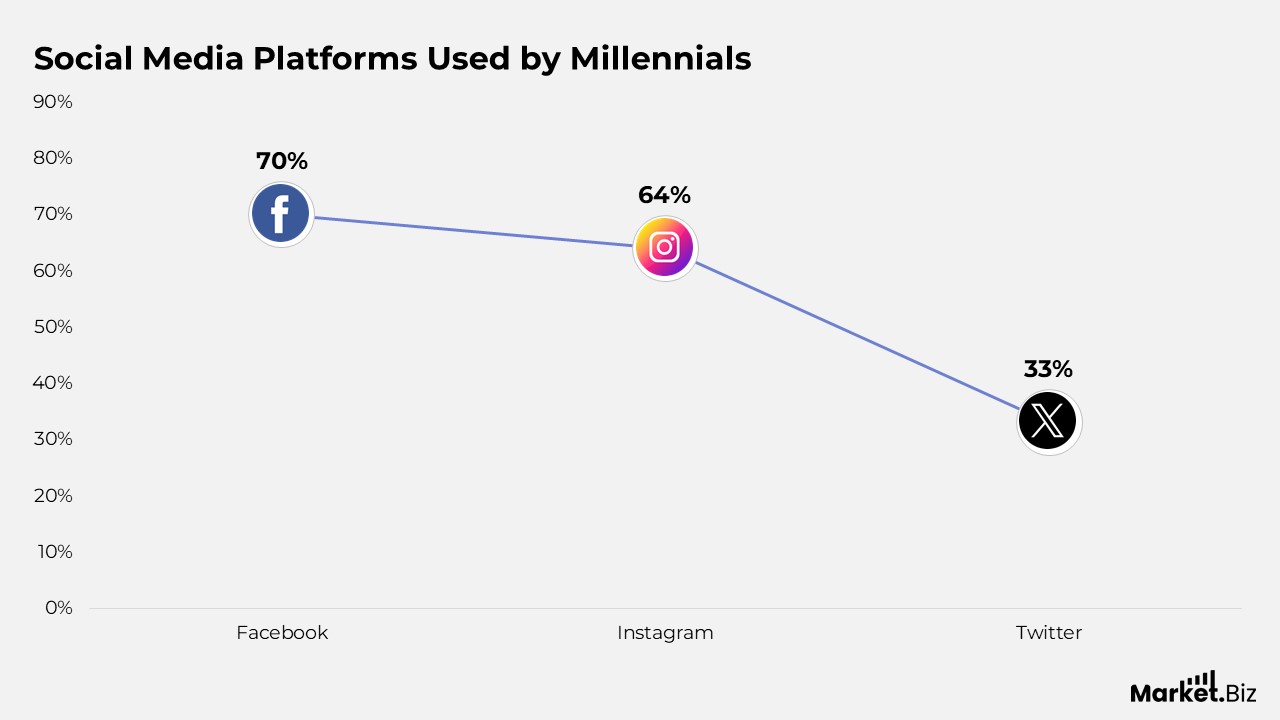
- Millennials are inclined to interact with businesses on platforms such as Facebook (70%), Instagram (64%), and Twitter (33%).
- Furthermore, 60% of millennials have used social media to contact customer service.
Gen Z
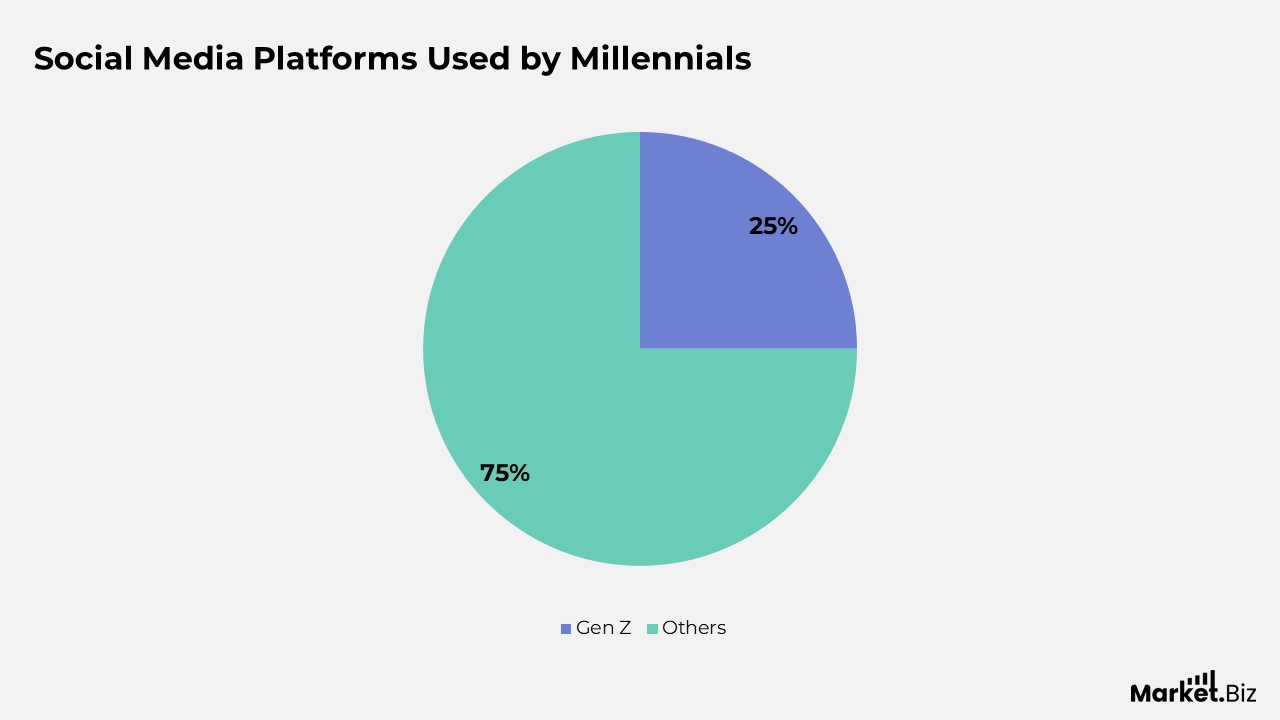
- Generation Z adults account for 25% of all Americans using social media.
- A staggering 94% of Gen Z, which equals to 61 million individuals, engage actively on social media platforms.
- Roughly half of Gen Z adults exhibit characteristics indicative of social media addiction.
- Individuals aged 18-22 constitute 40% of the American population that is addicted to social media.
- A significant 82% of Gen Z see social media as “addicting,” while 76% recognize their reliance on technology.
- 60% of Gen Z dedicate more than 4 hours each day to social media activities.
- An impressive 94% find social media platforms to be entertaining.
- 43% link social media usage to feelings of isolation.
- 72% of Gen Z adults confess to spending excessive time on social media.
- 83% have made conscious efforts to reduce their social media engagement.
- Females show a higher likelihood of social media addiction compared to their male counterparts.
Gen Alpha
- Teenagers represent the second-largest demographic impacted by social media addiction.
- A staggering 97% of teenagers engage with at least one widely used social media platform.
- On average, teenagers dedicate 7 hours and 22 minutes to screen time each day, while children below the age of 12 spend approximately 4 hours and 44 minutes.
- Furthermore, 10% of teenagers check their mobile devices more than ten times each night.
- Those who are heavy users may spend as much as 9 hours daily on social media, which constitutes 37% of their entire day!
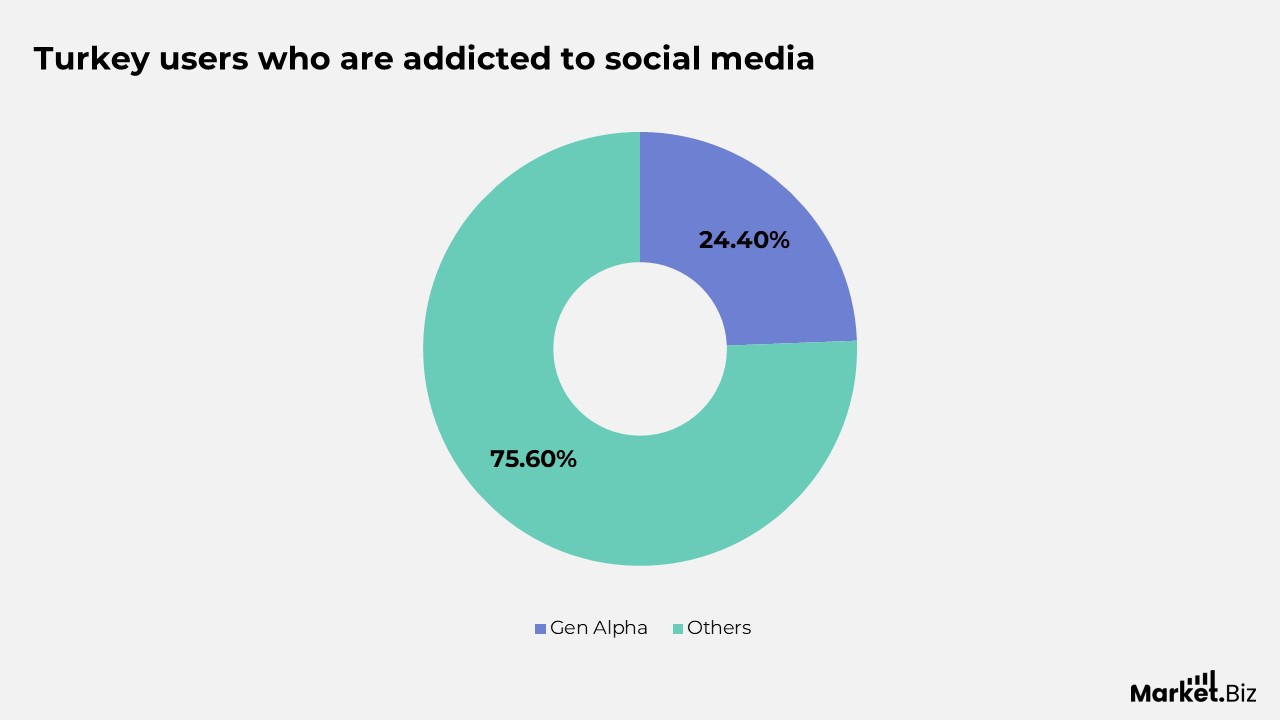
- A study conducted in Turkey revealed that 24.4% of young people are addicted to social media.
- Among social media platforms, Instagram poses the greatest risk for teenagers, as it is associated with heightened feelings of anxiety, depression, loneliness, and fear of missing out (FOMO) during scrolling sessions.
- Moreover, 60% of teenagers admit to spending excessive time on social media and recognize their addiction, which contributes to anxiety, sleep disturbances, and diminished productivity.
Conclusion
Social Media Addiction Statistics: The issue of social media addiction is increasingly alarming in the modern digital landscape. More than 5.22 billion individuals are engaging with social media platforms worldwide. The typical user dedicates around 2.5 hours each day to scrolling through content. Disturbingly, an estimated 210 million people globally face challenges related to social media addiction.
In the United States, 1 in 10 users is reported to be addicted to social media, and nearly 30% acknowledge that they spend excessive amounts of time on these platforms. For adolescents, the statistics are even more troubling, with nearly 60% indicating that they excessively use social media, which frequently results in anxiety, disrupted sleep patterns, and reduced productivity.
FAQs
Among the most commonly acknowledged reasons for social media addiction are low self-esteem, depression, hyperactivity, personal dissatisfaction, and even a lack of affection, a void that adolescents often attempt to fill with the well-known likes.
Research indicates a clear connection between social media usage, negative mental health outcomes, and low self-esteem. Although social media platforms offer certain advantages, excessive use can lead to feelings of unhappiness and isolation.
Research has indicated a potential correlation between social media use and alterations in the brains of young adolescents. MRI scans revealed that teenagers who frequently check social media exhibit heightened activity in specific brain regions, which may result in changes to impulse control and self-regulation.