









Introduction
GABA (gamma-Aminobutyric acid) Statistics: It serves as the primary calming neurotransmitter in the brain, functioning as an inhibitory signal that diminishes nerve cell activity. This process is essential for regulating mood, sleep, and stress. Dysregulation of GABA is associated with various conditions, including anxiety and epilepsy. Its influence is not limited to the brain; it also extends to plants and parasites, highlighting its significant biological relevance and effects on health, agriculture, and disease.
GABA (gamma-aminobutyric acid) statistics reveal its high concentration in the brain, ranging from 2-3 mmol/g, while peripheral tissues exhibit lower levels. Its chemical properties include a molecular weight of 103.12 g/mol and high water solubility. As the principal inhibitory neurotransmitter, GABA is supported by production and supplementation studies that report yields of approximately 5.34 g/L and a safe intake limit of up to 120 mg/day. There is growing clinical interest in its potential benefits for conditions such as anxiety, hypertension, and diabetes.
Editor’s Choice
- The average concentration of GABA in the cerebrospinal fluid of healthy adults typically ranges from 0.1 to 0.3 µmol/L.
- The GABA market is expected to attain USD 143.6 million by the year 2033, exhibiting a compound annual growth rate (CAGR) of 5.0% from 2023 to 2033.
- Over 100 million prescriptions are issued globally each year globally for medications that have a direct or indirect impact on GABA receptors (for instance, benzodiazepines and gabapentin).
- Female buyers account for about 58% of GABA supplement consumers worldwide.
- Typical dosages for oral GABA supplements typically vary from 100 mg to 750 mg daily, influenced by the specific formulation and intended use.
General GABA Statistics
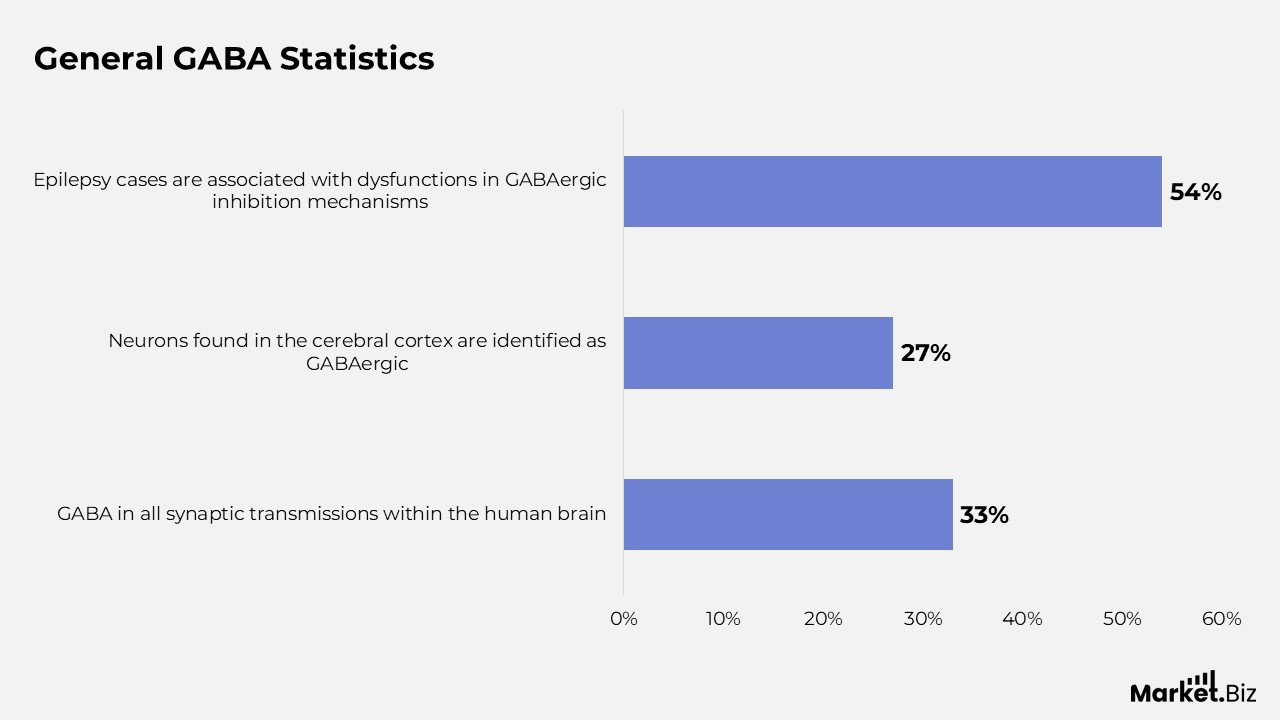
- GABA plays a role in roughly 33% of all synaptic transmissions within the human brain, establishing it as the primary inhibitory neurotransmitter.
- Approximately 27% of neurons found in the cerebral cortex are identified as GABAergic neurons.
- The average concentration of GABA in the cerebrospinal fluid of healthy adults typically ranges from 0.1 to 0.3 µmol/L.
- Neuroimaging research indicates that individuals diagnosed with anxiety and depressive disorders exhibit GABA levels that are 22% lower than those of healthy individuals.
- Around 54% of epilepsy cases are associated with dysfunctions in GABAergic inhibition mechanisms.
- GABA-A receptors are responsible for nearly 70% of rapid inhibitory signaling within the central nervous system.
- Research has demonstrated that chronic psychological stress can lead to a reduction in GABA synthesis by 17% in both animal and human studies.
- It is estimated that GABA activity declines by 11% with aging after the age of 40, which may contribute to an increase in sleep and anxiety disorders.
GABA Market Size Statistics
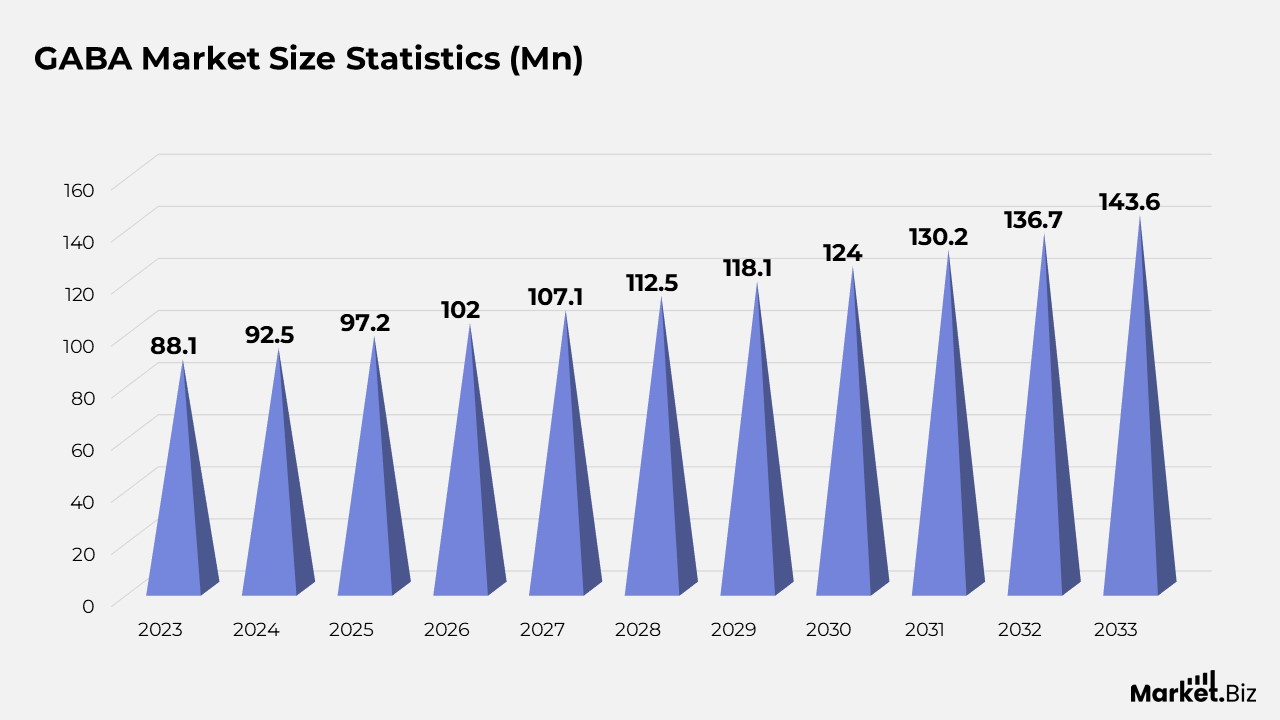
- The GABA market is expected to attain USD 143.6 million by the year 2033, exhibiting a compound annual growth rate (CAGR) of 5.0% from 2023 to 2033.
- Chemical Synthesis is projected to command over 66.1% of the market share in 2024.
- The Pharmaceuticals sector is expected to lead with more than 38.2% of the market share in 2024.
- Indirect Sales are forecasted to account for over 68.3% of the market in 2024.
- North America is set to dominate the GABA market, securing a 46.4% share in 2024.
- Research indicates that exercise can elevate GABA levels in the brain by as much as 25% in certain studies.
- GABA is involved in the regulation of circadian rhythms, with its levels varying by up to 30% throughout the day, peaking in the evening and declining during sleep.
GABA Industry Growth Statistics
- Over 100 million prescriptions are issued each year globally for medications that have a direct or indirect impact on GABA receptors (for instance, benzodiazepines and gabapentin).
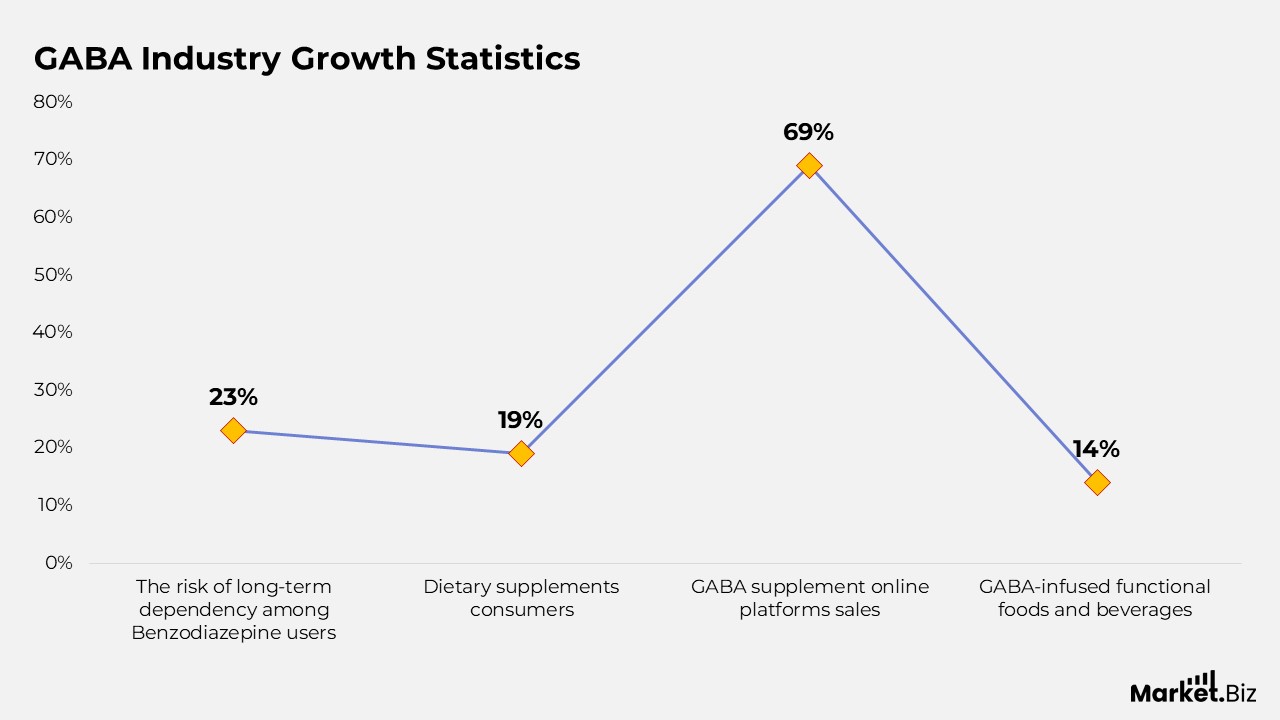
- Benzodiazepines are utilised in more than 50 countries; however, the risk of long-term dependency affects 23% of individuals who use them chronically.
- Dietary supplements aimed at alleviating stress, promoting calm, or enhancing sleep (many of which contain GABA) are consumed by 19% of supplement users worldwide.
- Online platforms represent roughly 69% of GABA supplement sales, attributed to the desire for privacy and the convenience of subscription-based purchasing.
- GABA-infused functional foods and beverages account for 14% of the relaxation-focused nutrition market in Japan.
- The number of clinical research publications that mention GABA has surged by 66% from 2010 to 2024, indicating a growing scientific interest in this area.
- Approximately 56% of GABA supplement formulations incorporate additional ingredients such as L-theanine, magnesium, or vitamin B6.
- Reports of adverse effects from oral GABA supplementation are noted in fewer than 5% of users, with the most common issues being mild drowsiness or headaches.
User Demographic Statistics
- Individuals between the ages of 25 and 44 constitute the predominant consumer demographic for GABA supplements, representing roughly 41% of the total user base.
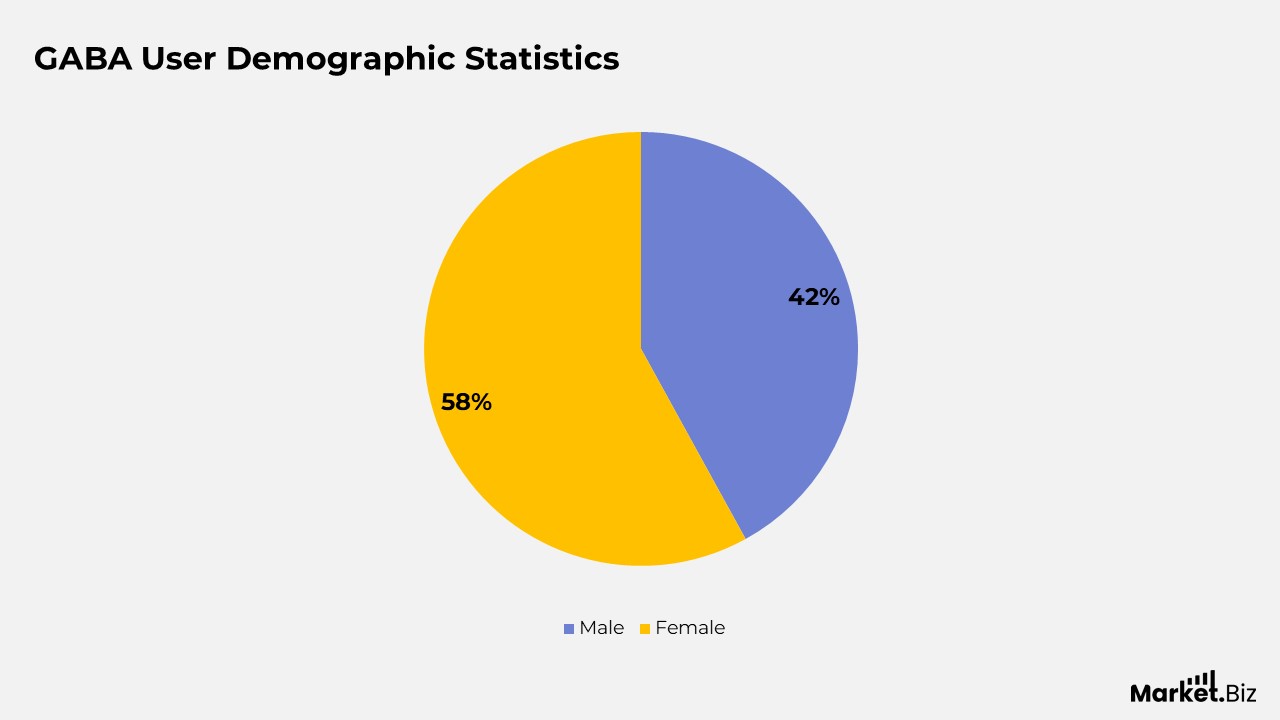
- Female buyers account for about 58% of GABA supplement consumers worldwide.
- Urban dwellers exhibit a 1.4 times greater prevalence of stress-relief supplement usage in comparison to their rural counterparts.
- Among employed individuals, nearly half report experiencing stress-related symptoms that may be associated with neurotransmitter imbalances.
- Student demographics indicate GABA supplement usage rates ranging from 13%, frequently linked to stress from sleep issues and examinations.
- Online shopping platforms are responsible for approximately 66% of GABA supplement sales.
GABA Supplement Usage Statistics
- Typical dosages for oral GABA supplements typically vary from 100 mg to 750 mg daily, influenced by the specific formulation and intended use.
- Approximately 69% of commercially available GABA supplements are offered in the form of capsules or tablets, while the remaining products consist of powders or functional beverages.
- Consumer research suggests that 19% of supplement users opt for products labeled for “calm,” “relaxation,” or “stress support,” many of which include GABA.
- Japan recognised GABA as a functional food ingredient more than 30 years ago, leading to the availability of hundreds of GABA-enriched products in the market.
- GABA is frequently combined with other ingredients such as L-theanine, magnesium, or vitamin B6 in 57% of formulations.
- Users’ self-reported effectiveness varies between 51%, contingent upon dosage and associated lifestyle factors.
GABA Recent Development
- In 2024, research on GABA concentrated on its significance within the gut-brain axis concerning mental health. This included the development of GABA-enriched functional foods through microbial production and PCR screening, an exploration of its dual function in early brain development, and an investigation into its therapeutic potential in oncology and sleep disorders through receptor mechanisms.
- Research conducted in 2023 emphasised GABA’s role in regulating the tumour microenvironment, demonstrating its ability to inhibit angiogenesis and modulate immune responses, thereby establishing it as a novel target for cancer therapy.
Conclusion
GABA (Gamma-Aminobutyric Acid) statistics consistently demonstrate its function as the primary calming neurotransmitter in the brain, with imbalances associated with anxiety, depression, and neurological disorders such as epilepsy. However, research presents mixed outcomes regarding supplements, indicating complex dose-dependent effects, possible influences from the gut-brain axis, and a necessity for more detailed studies to clarify the benefits for mood, cognition, and stress management.
This is particularly relevant considering its encouraging anti-stress and immunomodulatory effects observed in various animal studies and food-related contexts.
FAQ’s
GABA is specifically an inhibitory neurotransmitter, which means it obstructs other signals and regulates the rate at which information is transmitted throughout the nervous system. You can liken GABA in your nervous system to the brakes of a vehicle. Applying the appropriate amount of pressure on the brake pedal reduces your vehicle’s speed.
Although it is unable to cross the blood-brain barrier (BBB), GABA may still influence your brain. The enteric nervous system (ENS) is the collection of neurons that governs your gastrointestinal system. The ENS is rich in GABA receptors and GABA itself, and it is linked to the brain via the vagus nerve.
Clinical research indicates that taking up to 120 milligrams (mg) of GABA daily as supplements for a duration of 12 weeks is unlikely to result in negative side effects. Caution is advised when combining them with other medications. Using them alongside drugs for hypertension or epilepsy may amplify the effects of those medications.