








Introduction
Vegan Statistics: Veganism has emerged as a powerful global trend, reflecting a notable shift in consumer preferences influenced by growing concerns about health, environmental impact, and animal welfare. Over the past few years, the number of individuals embracing vegan lifestyles has increased significantly across key regions, impacting industries such as food and beverages, personal care, fashion, and pharmaceuticals.
With the rapid advancement of plant-based products, the need for accurate, data-driven insights has become crucial for businesses, governments, and investors aiming to stay aligned with evolving market demands. This statistical overview examines key aspects, including growth patterns, demographic shifts, spending habits, and geographic trends, offering a comprehensive view of one of today’s most dynamic consumer movements.
Editor’s Choice
- Approximately 40% of vegan products worldwide are now priced lower than their conventional counterparts, reflecting greater affordability and market penetration in some regions.
- On average, households following a vegan lifestyle spend 8% less on groceries compared to those consuming animal-based products, indicating a cost-saving benefit in plant-based meal planning.
- Research suggests that a global shift to veganism could lead to a 75% reduction in farmland usage, significantly lowering pressure on agricultural resources and enabling more efficient land utilization.
- Despite growing affordability in some cases, many vegan products continue to be priced higher than traditional food items in physical retail stores, largely due to production scale and ingredient sourcing.
- The price of vegan food is influenced heavily by its composition, with premium ingredients often contributing to elevated product costs.
- Producing plant-based foods requires substantial water resources, with approximately 300 gallons of water used daily to support the production of vegan foods.
Moreover
- As of 2022, India led the world in vegan adoption, with approximately 13% of its population identifying as vegan, driven by cultural, ethical, and health-related motivations.
- The dairy alternatives segment is forecasted to expand at a CAGR of 16.7% through 2025, driven by growing consumer demand for lactose-free and plant-based options.
- In the United States, an estimated 1 million individuals have already adopted a vegan lifestyle, and the number continues to rise as awareness of ethical and environmental issues increases.
- Adopting a plant-based diet may lower cancer risk in women by 34%, highlighting one of the many health benefits linked to vegan nutrition.
- A global transition to a vegan diet could cut greenhouse gas emissions by 70%, potentially leading to cost savings of US$608 billion by 2050 through reduced environmental damage and healthcare costs.
- The global vegan market is projected to surpass US$22 billion in value by 2025, reflecting robust growth in both consumer interest and product innovation.
- By the same year, roughly 2 million Americans are expected to fully commit to a vegan lifestyle, driven by ethical concerns, climate awareness, and health considerations.
(Source: Coolest Gadgets, The Vegan Society)
Vegan Meat Market Size
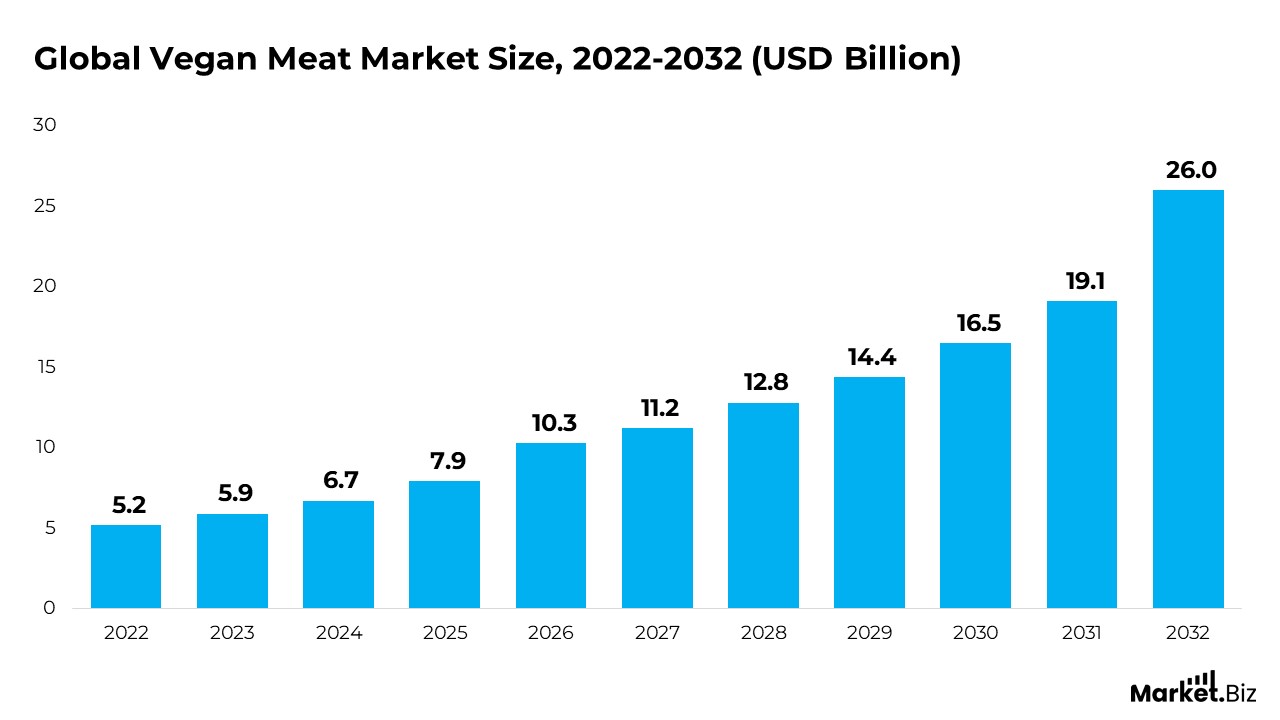
- According to Market.us, the global vegan meat market is projected to grow from $7.9 billion in 2025 to $26.0 billion by 2032, representing a compound annual growth rate (CAGR) of 14.3% from 2022 to 2032.
- The global vegan meat market is experiencing significant growth, primarily fueled by increasing consumer interest in plant-based diets. This surge is driven by heightened awareness of the environmental impact of animal agriculture, coupled with the growing recognition of the health benefits associated with plant-based nutrition.
- In 2022, the soy-based vegan meat segment emerged as the most profitable, accounting for 47.9% of the global market. Its dominance stems from soy’s nutritional value, which provides a complete protein profile, essential amino acids, and fibre, making it a preferred choice among health-conscious consumers.
- Vegan chicken alternatives led the product-type segment with a 34.1% market share in 2022. This leadership is largely due to the high global consumption of chicken, making it a natural focal point for plant-based product innovation targeting familiar taste profiles.
Moreover
- Among various formats, patties are projected to be the most lucrative, anticipated to grow at a strong CAGR of 27.6%. Their widespread popularity across cultures, combined with ease of preparation and versatility, makes them an appealing option for consumers seeking convenient meat substitutes.
- Online retail has emerged as the leading distribution channel in the vegan meat market. Consumers are increasingly turning to digital platforms for the ease and flexibility of purchasing a wide array of plant-based meat products from the comfort of their own homes, thereby bypassing the constraints of in-store shopping.
- In terms of regional performance, North America led the global market in 2022 with a 32.1% share. This dominance is largely attributed to a sizable population of health-aware individuals who actively pursue sustainable consumption habits. Additionally, North America’s advanced food tech industry has accelerated the development of realistic and appealing plant-based meat alternatives, further propelling market growth.
(Source: Market.us)
Global Plant-Based Diet Market Size
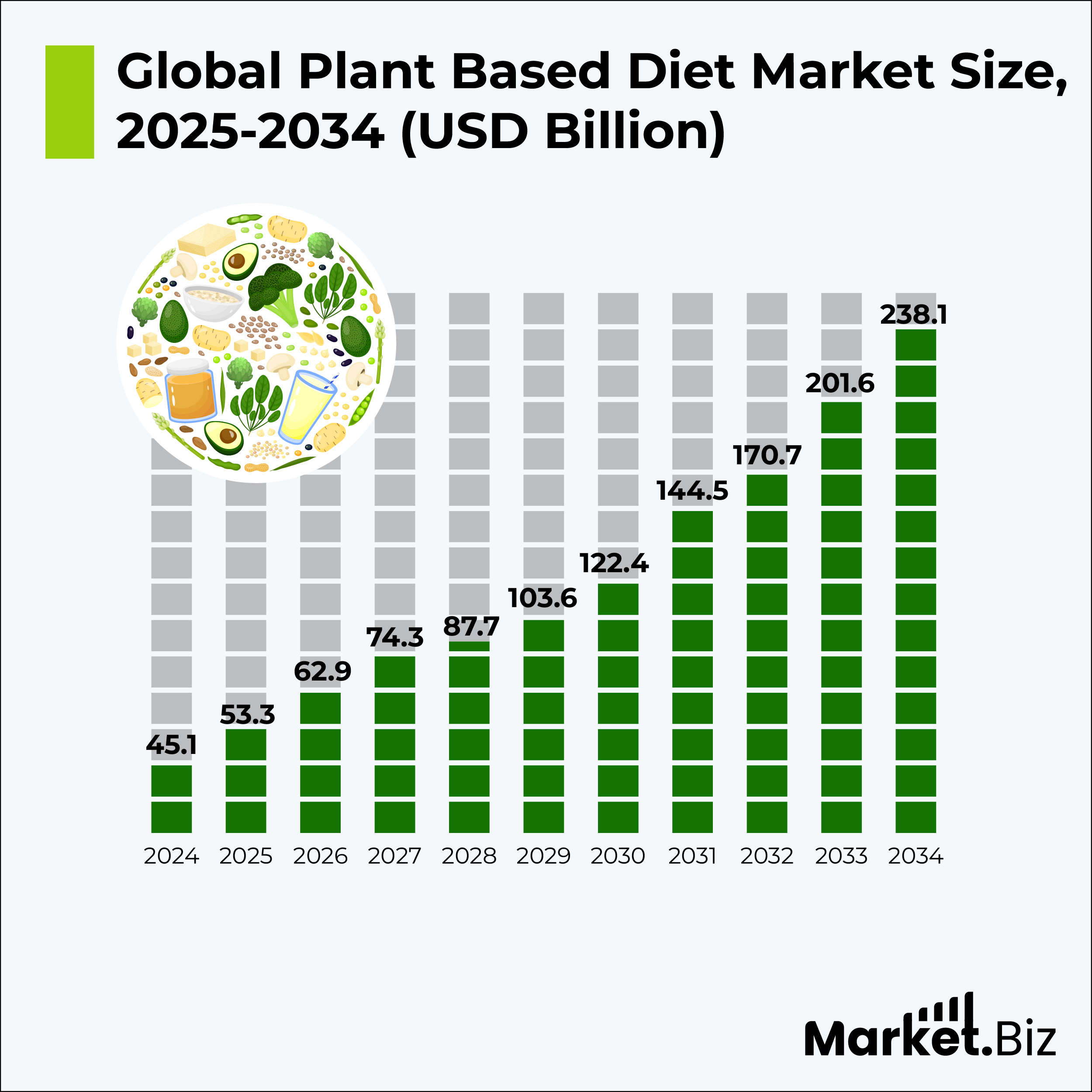
- According to Market.us, the global plant-based diet market is projected to grow from $53.3 billion in 2025 to $170.7 billion by 2032, representing a compound annual growth rate (CAGR) of 18.1% from 2024 to 2034.
- The plant-based diet market is experiencing robust growth, largely driven by the increasing prevalence of chronic health conditions, including obesity, diabetes, and cardiovascular diseases. This shift is further accelerated by continuous innovation in plant-based food offerings across both retail and food service sectors, making healthier alternatives more accessible and appealing to a wider consumer base.
- In 2024, plant-based dairy products emerged as the leading segment within the plant-based diet market, accounting for 49.1% of the total share. The growth in this category has been driven by the increasing demand for dairy-free options, particularly among individuals with lactose intolerance and those following vegan or health-oriented lifestyles. Almond milk, oat milk, and soy milk continue to lead sales across retail shelves and food service menus, reflecting mainstream consumer adoption.
Moreover
- Seeds and nuts secured a strong foothold in the market in 2024, capturing a 35.7% share. Their popularity stems from an increasing consumer emphasis on functional nutrition, as these ingredients are rich in protein, fiber, healthy fats, and micronutrients. Commonly consumed as standalone snacks or blended into plant-based beverages, spreads, and cereals, seeds, and nuts serve as both staple ingredients and health-forward options.
- Supermarkets and hypermarkets continued to hold their position as the primary distribution channel for plant-based products in 2024, capturing a market share of 46.3%. These outlets have significantly broadened their plant-based selections to cater to rising consumer interest, now offering extensive ranges of dairy alternatives, plant-based meats, ready-to-eat meals, and beverages under dedicated in-store sections.
- North America led the global plant-based diets market in 2024, holding a commanding 31.8% share valued at US$14.1 billion. The regional dominance is attributed to heightened consumer awareness around health and sustainability, coupled with a growing flexitarian population. The U.S. and Canada, in particular, have become hotbeds for innovation and adoption in the plant-based space, supported by strong retail presence and marketing campaigns.
(Source: Market.us)
General Vegan Statistics
The global shift toward vegan and vegetarian lifestyles continues to redefine consumption habits, driven by a combination of ethical concerns, environmental sustainability, and health-focused motivations. Market trends and population data indicate this movement is accelerating across regions and consumer segments.
- Current estimates suggest that about 1.1% of the global population, equating to approximately 88 million people, now identify as vegan—underscoring the steady rise in plant-based living worldwide.
- In September 2021, the number of global vegans was reported to be 79 million, representing a slight increase above 1% of the total population, marking consistent annual growth.
- In the United States, approximately 2% of the population follows a vegan diet, with women comprising nearly 75% of this demographic, indicating a notable gender-based adoption trend.
- Looking ahead to 2040, forecasts indicate a major shift in dietary preferences, with only 40% of people globally expected to consume traditional meat as alternative proteins become more mainstream.
- The Vegan Society has registered over 53,000 products, with a surprising majority in cosmetics rather than food, demonstrating the broader lifestyle appeal of veganism.
- Approximately 1.5 billion people worldwide identify as vegetarian, representing a substantial population segment that has eliminated meat from their diets due to cultural, ethical, or health reasons.
Further
- In 2023, a record 706,965 individuals participated in Veganuary, an initiative that encourages people to explore vegan living during January, reflecting an increasing curiosity and trial adoption.
- The U.S. plant-based food sector achieved over $ 8 billion in sales in 2022, a testament to the rising consumer demand and increased product availability in retail markets.
- An estimated 22% of the world’s population follows a vegetarian diet, underscoring the widespread global adoption of plant-forward eating habits.
- In Europe, veganism continues to grow, with around 3.2% of the population adopting the lifestyle, driven by sustainability efforts and increased access to vegan-friendly products.
- India remains a stronghold of vegetarianism, with estimates suggesting that between 31% and 42% of its population adheres to a vegetarian diet driven by cultural and religious influences.
- In the U.S., nearly 8 million adults have given up meat, signaling a growing cohort aligned with plant-based or vegetarian values.
- Shifting the global population to a vegetarian diet could potentially reduceagricultural land use by 75%, significantly lessening environmental strain.
- Studies reveal that vegetarians may have a 14% lower risk of developing cancer, reinforcing the health advantages associated with plant-based dietary patterns.
(Source: British Council, Redefine Meat Ltd., Care Health Insurance Ltd.)
Types of Vegans
- Religious Vegans
- Environmental Vegans
- Dietary Vegans
- Ethical Vegans
(Source: Coolest Gadgets)
Types of Vegan Diets
- High-Carb Vegan Diet
- Whole Food Plant-Based Diet
- Raw Vegan Diet
- Varied Vegan Diet
- Freegan
- Ostovegan
- Low-Carb Vegan Diet
- Additional Vegan Diet Types
(Source: Coolest Gadgets)
Primary Motivations Behind Choosing a Vegan Lifestyle
A range of personal, ethical, and environmental factors influence the decision to adopt a vegan lifestyle. A recent analysis reveals that emotional connection, exposure to informative media, and lifestyle evolution all contribute significantly to this dietary shift.
- A compelling 68.1% of individuals cited animal welfare as their primary motivation for transitioning to a vegan lifestyle, underscoring the ethical foundation of this movement.
- Health-related concerns were the second most cited reason, influencing 17.4% of participants who adopted veganism to improve their well-being and prevent chronic diseases.
- Environmental awareness also played a role, with 9.7% of participants choosing veganism in response to the adverse ecological impact of meat production—particularly the environmental toll of beef consumption.
- Prior dietary habits show a clear progression: 52.1% of respondents identified as former vegetarians, indicating a natural evolution from plant-forward diets to fully vegan lifestyles.
- Meanwhile, 43.3% of participants made a more significant dietary change, shifting directly from meat-based diets to fully plant-based eating patterns.
- Notably, feature-length documentaries were identified as the most powerful medium influencing individuals to adopt veganism, demonstrating the impact of visual storytelling in raising awareness and driving lifestyle change.
(Source: Redefine Meat)
Plant-based foods
- Animal agriculture is responsible for 14.5% to 16.5% of total global greenhouse gas emissions, making it one of the leading contributors to climate change. This has driven increased interest in plant-based alternatives as a more eco-friendly dietary option.
- Despite the growing awareness, only around 1% of the global population currently identifies as vegan, indicating significant potential for expansion in the years ahead.
- Adopting a vegan diet has been linked to significant health improvements, including a 32% reduction in the risk of heart disease, a 23% decrease in the risk of type 2 diabetes, and a 35% lower chance of developing prostate cancer.
- For individuals managing blood sugar levels, diabetes research indicates that a plant-based diet can reduce blood glucose levels by up to 28%, supporting its benefits in metabolic health management.
- Women represent 59% of those who transition to plant-based diets, compared to 41% of men. Millennials are leading the charge, comprising 40% of the vegan population, significantly ahead of Baby Boomers and Gen X, which account for 21% combined.
- Market trends indicate that approximately 40% of consumers in the vegetarian and vegan segment have transitioned to plant-based dairy alternatives, such as almond, oat, or soy milk, as part of their daily routine.
Moreover
- An estimated 1.5 billion people worldwide avoid meat or meat-based products altogether, whether for ethical, religious, or health reasons, indicating a widespread shift toward reducing meat consumption.
- Plant-based milk products enjoy strong brand loyalty, with a repeat purchase rate of 75%, reflecting consumer satisfaction and consistent demand in the non-dairy segment.
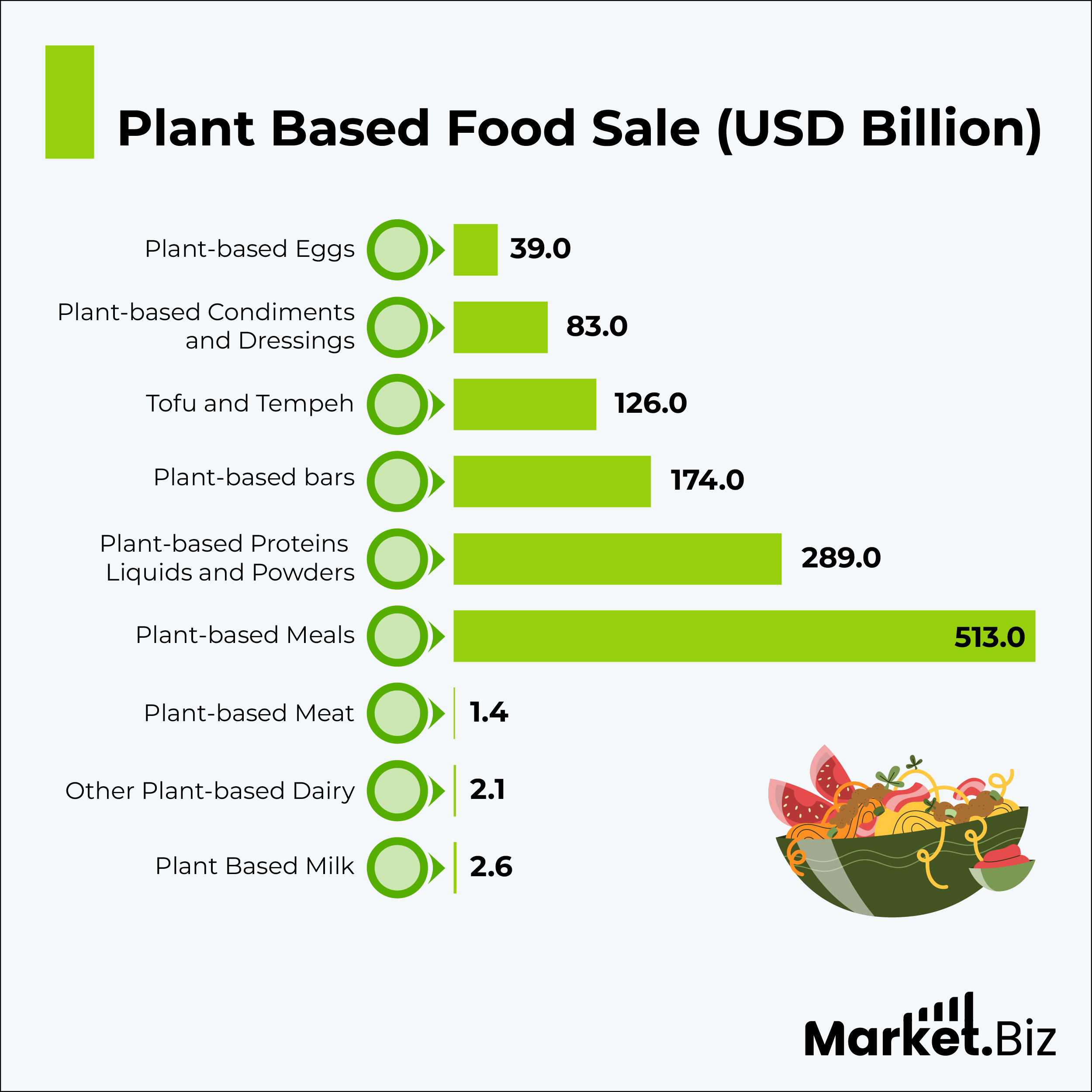
- Plant-based milk is the most developed of all plant-based categories. Plant-based milk dollar sales were $2.6 billion in 2021, and the category continues to experience steady long-term growth.
- After a strong 2020 to pass the billion-dollar mark for the first time, plant-based meat sales continued stable in 2021. Plant-based meat dollar sales have grown 74% since 2018 to $1.4 billion.
- Nearly every group established, even those with a robust 2020 expert, experienced above-average action due to the pandemic’s influences. The fastest-growing categories were plant-based eggs, plant-based ready-to-drink beverages, plant-based creamer, and plant-based dairy spreads, sour cream, dips, and sauces, all of which posted strong double-digit dollar sales growth in 2021.
- The least developed category, although the fastest-growing, is plant-based eggs. At $39 million in dollar sales in 2021, plant-based eggs is a modest category but is growing exceptionally rapidly, with more than 1000% growth since 2018.
(Source: Good Food Institute, The Vegan Society, Redefine Meat)
How Veganism is Reshaping Ecosystems and Lifestyles
The rise of veganism is not only transforming dietary preferences but also contributing to broader environmental and societal change. From reducing emissions to reshaping consumer identity, the movement is gaining traction for its wide-ranging benefits.
- The vegan baby food segment witnessed a 10% growth between 2016 and 2021, reflecting increasing parental demand for plant-based nutrition from infancy.
- Transitioning to a vegan diet can deliver profound environmental benefits, including a 19% reduction in freshwater usage, a 49% decrease in greenhouse gas emissions, and a significant decrease in land use and deforestation for agricultural purposes.
- A 2022 study by The Research Institute revealed that in a typical American diet, meat contributes 56% and dairy 18% of total greenhouse gas emissions—highlighting the environmental cost of animal-based consumption.
- Among younger adults aged 18 to 24, flexitarians now represent 20%, vegetarians account for 10%, and 5% identify as vegan, indicating a generational shift toward more sustainable eating patterns.
- In the United Kingdom, 63% of current vegans adopted the lifestyle within the past five years. However, 81% of them had previously been vegetarians—indicating a gradual but long-term move away from meat consumption.
- Animal welfare is the primary motivator for going vegan among respondents, with 70% citing it as the main reason and 80% agreeing that current animal farming practices are inhumane. Additionally, 53% pointed to environmental concerns, while 27% highlighted health benefits as key reasons for their transition.
(Source: The RTesearch Institute, YouGov UK, National Institute of Health, Market.us)
Vegan Statistics – by Country
The U.S.
- A 2021 survey by Rakuten revealed a notable rise in plant-based product trials among U.S. consumers. 82% had tried plant-based milk, 62% experimented with plant-based meats, 40% explored vegan dairy substitutes, and 22% sampled vegan egg alternatives. Key drivers included health motivations (35%), interest in food trends (41%), and concern for animal welfare (23%). Interestingly, 5% of respondents reported following an entirely plant-based diet.
- According to a 2022 report by the Good Food Institute, plant-based food sales surged to US$7.4 billion in 2021, growing at three times the rate of the overall food market. This trend highlights the growing demand for sustainable and ethical food options.
- However, despite this momentum, challenges remain. The preference for traditional meat remains a major hurdle, with 66% of non-users of plant-based proteins citing their continued preference for animal-based products as the primary barrier.
- Between 2018 and 2021, sales of vegan food items designed to replace traditional animal products, including milk, meat, and eggs, climbed by 54%, showing strong year-over-year consumer adoption.
- Furthermore, the value of the U.S. retail plant-based food market has increased significantly, rising from US$5.5 billion in 2019 to US$7.4 billion by 2021, according to figures from the Good Food Institute. This growth reflects both product innovation and expanding shelf space in mainstream grocery outlets.
(Sorce: Good Food Institute, The Vegan Society)
Canada
- As of 2023, Canada was Home to approximately 2.3 million vegetarians and 850,000 vegans, with the majority residing in British Columbia, which continues to be a stronghold for plant-based lifestyles.
- Young adults in Canada, particularly those aged 18 to 29, are the most likely to adopt vegetarian, vegan, or pescetarian diets, signalling a generational shift toward more conscious eating habits.
- Between 2017 and 2021, sales of plant-based ready meals in Canada experienced explosive growth, recording a remarkable compound annual growth rate (CAGR) of 441.8%, reflecting surging demand for convenient meat-free alternatives.
- Ontario leads the nation in vegan and vegetarian dining, with 2,233 restaurants catering specifically to plant-based preferences, making it the most vegan-friendly province in Canada.
- Online interest in vegan and plant-based diets has surged, with search activity increasing by 113% since 2016, highlighting the growing digital engagement with conscious eating.
- India tops the global vegetarianism chart, with an estimated 20% to 39% of its population adhering to a vegetarian diet, influenced heavily by cultural and religious traditions.
- When it comes to veganism, India and Mexico jointly lead, with 9% of each country’s population identifying as vegan, showcasing strong plant-based movements in both regions…
(Sorce: Made in CA)
Hong Kong
- Hong Kong is rapidly emerging as a key player in Asia’s plant-based food scene, with a growing number of consumers exploring vegan and vegetarian options. Despite promising adoption trends, several challenges continue to shape the dining experience and accessibility in the region.
- As of 2022, Hong Kong was Home to 21 Michelin-starred restaurants that offer vegan and vegetarian-friendly options, reflecting rising demand for gourmet plant-based cuisine and greater culinary inclusivity at the fine dining level.
- A 2021 survey by Rakuten revealed that Hong Kong consumers were highly experimental with plant-based products. Approximately 84% had tried plant-based milk, 65% had sampled meat substitutes, 28% had tested dairy alternatives, and 18% had explored vegan egg options, showcasing widespread product penetration in this urban market.
- When it comes to motivations for trying plant-based foods, 49% of respondents were influenced by food trends, 46% cited health benefits, and 26% expressed concern for animal welfare. Notably, 4% of the surveyed population reported consuming only plant-based foods, indicating a dedicated yet niche segment.
- However, the path to full veganism remains complex for many in Hong Kong. A study by Green Queen found that 58% of consumers believe that maintaining a 100% vegan lifestyle is expensive. In comparison, 75% find it challenging to dine fully vegan at restaurants, and 65% believe there is a need for more vegan dining establishments to meet growing demand.
(Sorce: The Vegan Society)
India
- A 2021 Rakuten study revealed strong adoption of plant-based products among Indian consumers: 72% had tried plant-based milk, 61% sampled other dairy alternatives, 39% experimented with plant-based meats, and 30% tested vegan egg replacements. The top motivations included animal welfare (48%), personal health (42%), and dietary needs such as allergies (33%). Notably, 21% of respondents reported exclusively following a plant-based diet.
- According to Statista (2021), 9% of Indians identified as vegan, while nearly 25% considered themselves vegetarian, positioning India as the global leader in non-meat consumption based on population share.
- In the same year, India ranked third globally in Veganuary sign-ups, making it the only Asian nation in the top 10, which underscores the growing awareness and willingness to explore vegan lifestyles across the country.
- Research from Kerry in 2021 placed the value of India’s meat alternative market at US$171 million, signaling the strong commercial potential for plant-based innovation and expansion.
- A 2019 survey by Ipsos further emphasized India’s openness to change, with 63% of respondents expressing a willingness to replace meat with plant-based alternatives, highlighting fertile ground for alternative protein brands and sustainable food strategies.
(Sorce: The Vegan Society)
Conclusion
Veganism is experiencing consistent global growth, driven by an increasing recognition of its environmental, ethical, and health-related benefits. Current statistics reflect a notable shift in consumer preferences, particularly among younger populations, who are increasingly embracing plant-based diets at a rapid rate.
The expanding vegan product market driven by continuous innovation and shifting demand further strengthens the case for broader adoption. Although vegans still represent a smaller share of the global population, the surge in plant-based alternatives, alongside heightened awareness of sustainability and animal welfare, indicates that this movement will continue to influence both dietary choices and industry practices.
Looking ahead, the outlook for veganism remains strong, with sustained growth expected across both consumer adoption and commercial opportunities.
FAQ’s
Current global data suggest that around 1% of people worldwide, equating to approximately 88 million individuals, identify as vegan. This number is steadily increasing as more people embrace sustainable and ethical eating habits.
The top reasons for adopting a vegan lifestyle include concern for animal welfare (cited by 70–80% of individuals), environmental protection (53%), and health improvements (27%), such as reducing the risk of chronic illnesses like heart disease and diabetes.
Countries with the largest vegan populations include India, the U.S., Germany, and the U.K. Notably, India also has one of the world’s largest vegetarian populations, with up to 42% of citizens avoiding meat products due to cultural and religious beliefs.
The affordability of a vegan diet depends on local availability and the types of products available. In places like Hong Kong, veganism is often seen as costly due to limited options. However, in regions with widespread access to plant-based staples like legumes, grains, and seasonal vegetables, a vegan lifestyle can be economical and budget-friendly.
Young adults aged 18 to 29 are the most likely to follow a vegan or semi-vegan diet. Their choices are often driven by awareness of environmental issues, ethical considerations, and a desire for healthier living, reflecting a generational shift in food consciousness.