









Introduction
Wearable Medical Devices Statistics: Wearable medical devices continue to gain popularity for managing diseases and real-time health monitoring. The integration of Artificial Intelligence (AI) with wearable technology in healthcare enables continuous monitoring, which plays a crucial role in preventive care, early diagnosis, and personalized treatment strategies. The global adoption of wearable medical devices is expected to exceed 1.1 billion users by 2024, with adoption rates accelerating rapidly.
These devices encompass a range of technologies, including smartwatches, fitness trackers, medical-grade wearables, biosensors, ECG monitors, smart patches, and other tools that track vital signs, physical activity, sleep patterns, and other health-related metrics. This growing trend signifies a shift towards more proactive and personalized healthcare management.
Editor’s Choice
- Wearable technology has the potential to revolutionize the healthcare sector by providing real-time health data and improving patient outcomes.
- The use of wearable devices to monitor conditions such as diabetes and hypertension has increased significantly, with a 30% increase in adoption among patients with chronic diseases over the last two years.
- Remote patient monitoring technologies, such as wearables, are projected to save the healthcare system $200 billion over the next 25 years, fueled by the growing adoption of telemedicine and the rising use of wearables for continuous health tracking.
- According to the survey, in 2023, 35% of people in the U.S. used wearable healthcare devices, and 40% used healthcare-related applications.
- People are increasingly turning to health apps to maintain their well-being. A survey reveals that health app users predominantly utilize the technology for monitoring various aspects of their well-being, with 75% tracking exercise, fitness, steps, or heart rate, 48% focusing on sleep, 46% on weight, and 41% on diet.
Wearable Medical Devices Market Size
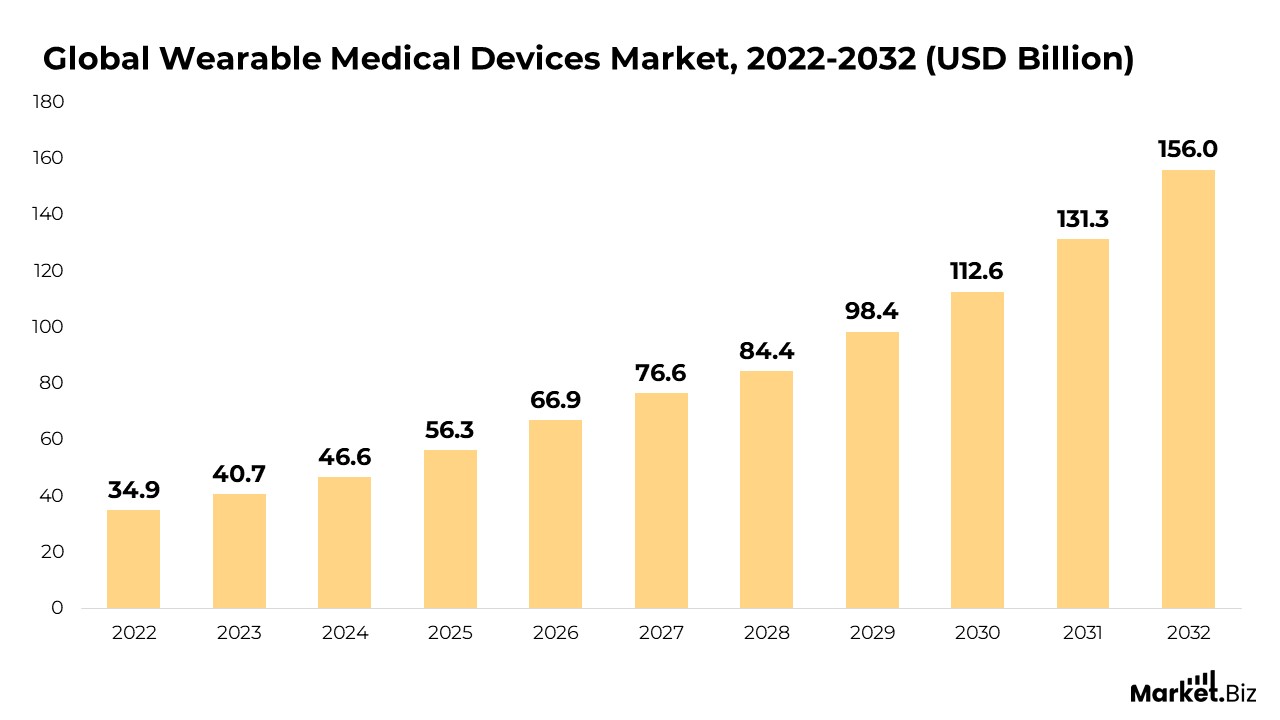
- According to Market.us, the global wearable medical devices market is projected to grow from $56.3 billion in 2025 to $156.0 billion by 2032, reflecting a compound annual growth rate (CAGR) of 16.60% over the forecast period from 2023 to 2032.
- The wearable medical devices market is experiencing significant growth, driven by ongoing innovations in wearable technology, a surge in consumer demand for health-tracking solutions, a growing global population, and the rising incidence of chronic diseases.
- The online distribution channel segment is projected to lead the wearable medical devices market, accounting for the largest revenue share of 36% throughout the forecast period. This growth can be attributed to increasing consumer preference for the convenience and accessibility of online shopping and to the expansion of e-commerce platforms that offer a diverse selection of wearable medical devices.
- The diagnostic segment is expected to dominate the wearable medical devices market, accounting for 53% of revenue during the forecast period. The rising demand for real-time health monitoring and the growing emphasis on early diagnosis and proactive disease management fuel this growth.
- North America dominated the wearable medical devices market, accounting for 38.3% of the global Market in 2022. The region’s high prevalence of chronic conditions, such as cardiovascular disorders, diabetes, and cancer, and the growing need for continuous monitoring of these diseases.
(Source: Market.us)
Wearable Medical Devices Statistics
- In 2022, global shipments of consumer health and wellness wearable medical devices totalled approximately 320 million units. This number will increase to nearly 440 million units by 2024, reflecting rising demand and widespread adoption of wearable health technologies.
- Wearable medical device technology is projected to generate approximately $200 billion in global healthcare cost savings over the next 25 years, translating to an estimated $620 per person in the U.S. This potential is driven by investments that enhance device accuracy and predictive capabilities, thereby improving healthcare efficiency.
- The adoption of home monitoring devices for chronic diseases could lead to a 50% reduction in hospitalizations by enabling early detection of health issues.
- In 2020, wearable devices and medical technologies saved around 1.3 million lives by facilitating early detection, ongoing monitoring, and prompt intervention for a range of health conditions.
- The Rock Health Digital Health Consumer Adoption Survey indicated that 44% of people in the U.S. used wearable health-tracking devices, such as smartwatches and smart rings, to track sleep patterns and heart rate in 2023.
- A substantial portion of people in the U.S. at risk for cardiovascular disease, over 80%, expressed their willingness to share health data collected by wearable medical devices to improve their health outcomes.
Moreover
- The American Heart Association Scientific Sessions 2022 reported that around 3.6 million people with cardiovascular disease, along with 34.4 million at risk, used wearable medical devices. This accounted for just 18% of those with the condition and 26% of those at risk in the U.S.
- Research indicates that 30% of households with annual incomes exceeding $75,000 use fitness trackers or smartwatches, whereas only 12% of households earning less than $30,000 use these devices.
- The National Library of Medicine reports that wearable devices generally achieve accuracy and precision levels of 92%-99%.
- The global number of connected wearable devices has surged from 325 million in 2016 to 1,105 million in 2022, highlighting the increasing adoption and integration of wearable technology worldwide.
- Wearable medical devices are gaining traction for health management. Nearly 50% of users rely on wearable technology in their daily lives, and over 80% are willing to share their data with healthcare providers.
(Source: Market.us, Deloitte, American Heart Association, National Institute of Health, International Data Corporation)
Global Shipments of Wearable Medical Devices
Global shipments of wearable medical devices are experiencing significant growth, driven by rising consumer demand for health-monitoring technologies. Ongoing advances in device functionality and accuracy, and their integration with healthcare systems, are further accelerating this trend.
The shift toward preventive healthcare also plays a key role, as these devices facilitate early detection and proactive management of health issues. Subsequently, consumers and healthcare providers are increasingly recognizing wearable devices as crucial tools for enhancing health outcomes.
- The 45% growth in earwear (ear-worn device) shipments, reaching 105 million units by 2023, is driven by rising consumer interest in health-tracking features and ongoing technological innovation.
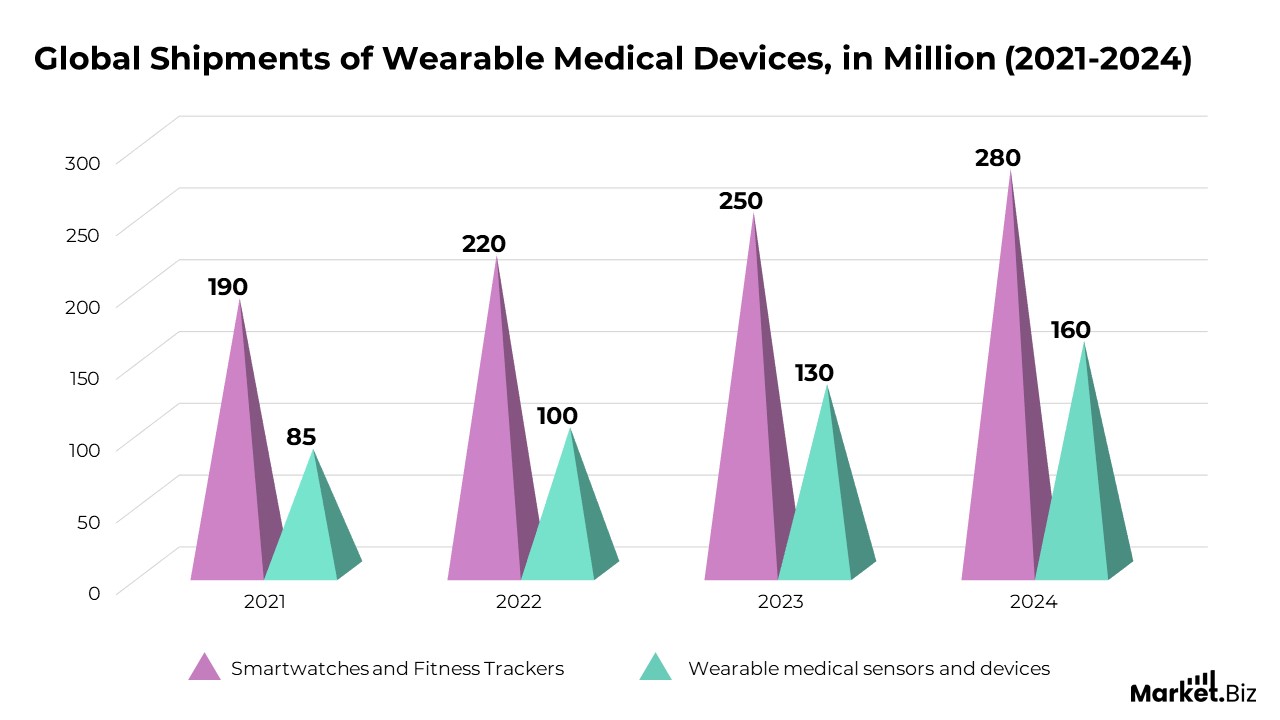
- In 2021, global shipments of wearable medical sensors and devices totaled around 85 million units, and are up a rise to 160 million units in 2024. This growth represents a compound annual growth rate (CAGR) of 19%, indicating a strong upward trend in the adoption of wearable health technologies during this period.
(Source: Market.us, Statista)
Smartwatches Are Getting Popular
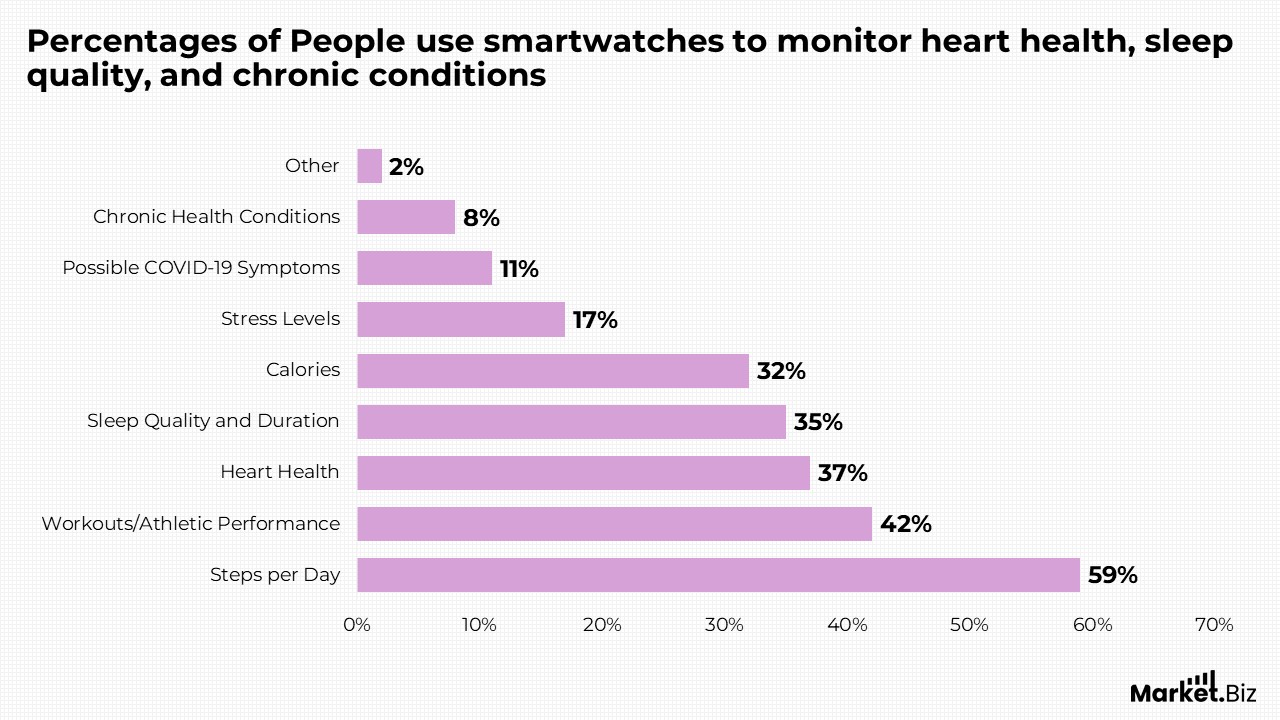
- The majority of users prefer smart health watches for monitoring metrics such as heart rate, oxygen saturation, sleep patterns, activity, exercise, and calories burned.
- In 2022, a significant 92% of smartwatch users in the U.S. utilized the technology primarily for health-tracking purposes, highlighting the growing reliance on smartwatches for monitoring various health metrics.
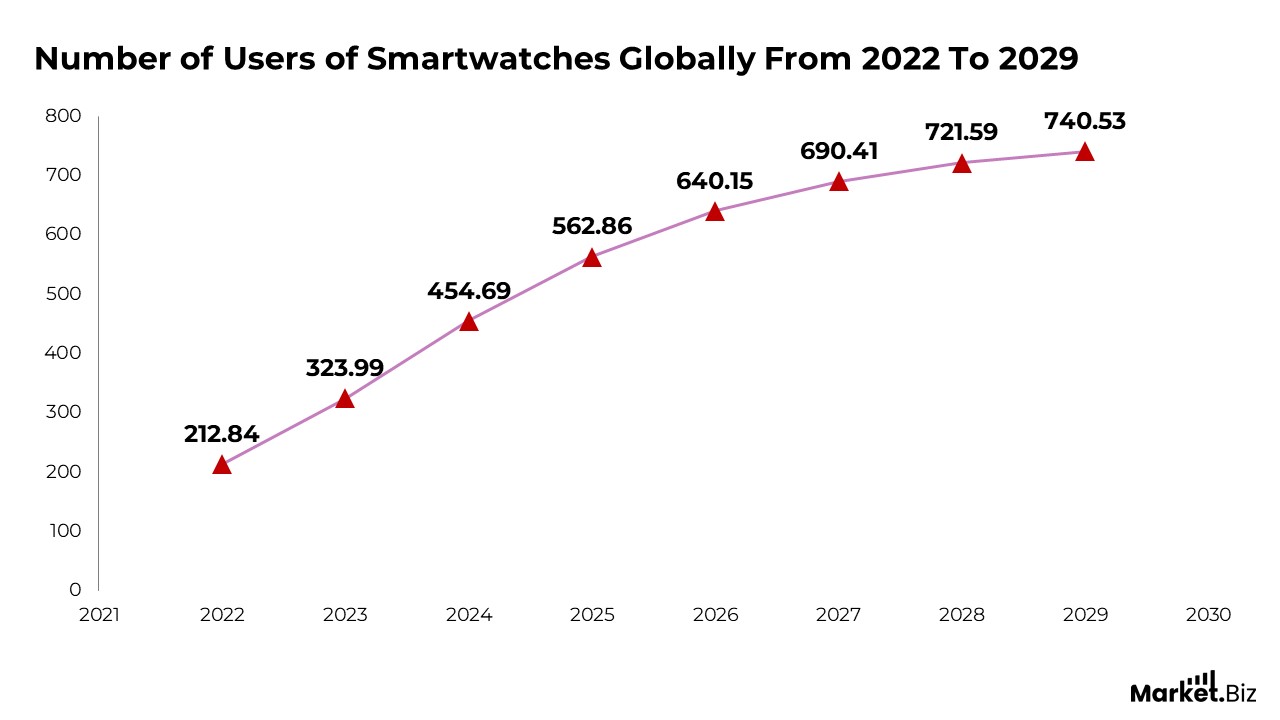
- The adoption of smartwatches is steadily increasing. In 2024, approximately 225 million people globally utilized smartwatches, fueled by a greater emphasis on tracking their health data.
- Many modern smartwatches are equipped with heart rate monitors, and some have received FDA approval to detect irregularities such as atrial fibrillation, a key risk factor for stroke.
- As smartwatch technology advances, more people use it to manage chronic conditions and detect symptoms of severe disease. However, only 12% of those earning less than $30,000 per year currently utilize this technology.
- The demand for smartwatches is increasing in Australia, with 36% of the population owning them for health monitoring in 2023.
(Source: Deloitte, Statista, Market.us, The New England Journal of Medicine, Electro IQ)
What do Users Measure with a Smartwatch?
Demographics of Wearable Medical Device Users
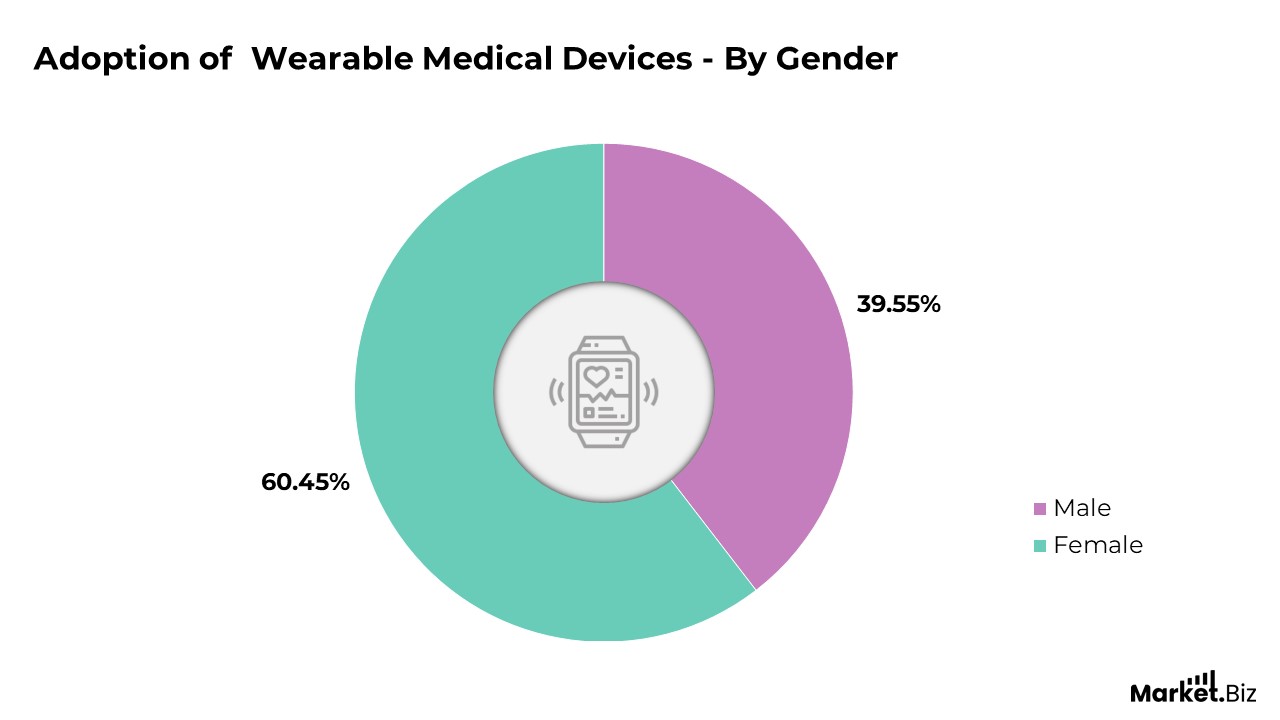
By Gender
- The adoption rates of wearable healthcare devices over the past 12 months show notable gender-based differences in utilization.
- 13.54% of males reported using wearable healthcare devices, reflecting a moderate level of engagement, while females exhibited a slightly higher adoption rate at 16.41%. This percentage gap can be attributed to factors such as women’s greater engagement in health and wellness activities, greater interest in preventive healthcare, and the growing availability of health-related features in wearables.
- Interestingly, despite the higher adoption rates among females, a similar proportion of both genders, approximately 34-36%, reported not using wearable healthcare devices.
(Source: Market.us, National Cancer Institute’s Health Information National Trends Survey)
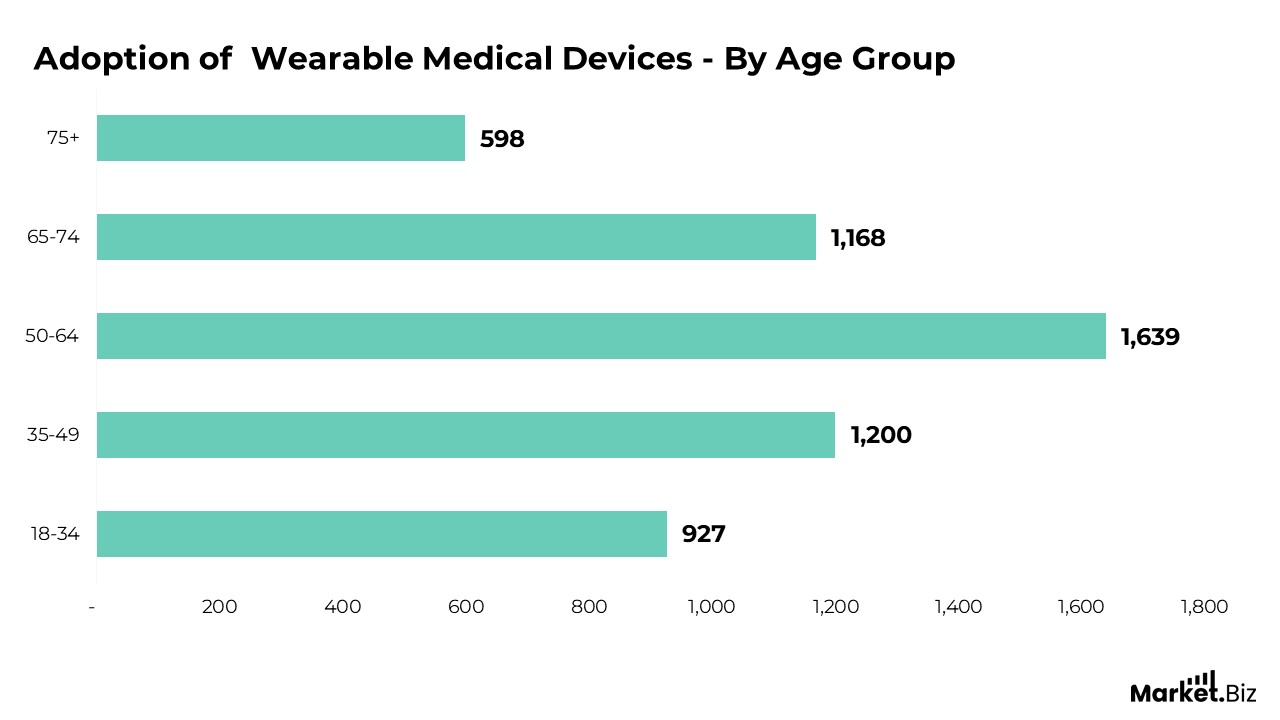
By Age Group
- A recent survey indicates that the use of wearable healthcare devices over the past 12 months varies significantly across age groups.
- Among adults aged 18-34, approximately 10.2% reported using wearable healthcare devices, showing a higher adoption rate in this younger age group.
- In the 35-49 age range, 9.32% reported using these devices, indicating a similar level of engagement, although adoption rates decline with increasing age.
- The adoption rate drops to 7.93% in the 50-64 age group, with only 2% of individuals aged 65-74 using wearable healthcare devices.
- For those aged 75 and older, the adoption rate further decreases to 0.8%.
- The higher adoption among younger adults is likely due to their greater familiarity with and interest in technology.
- In contrast, older adults show lower adoption, potentially due to factors such as limited familiarity with technology or different healthcare needs.
(Source: Market.us, National Cancer Institute’s Health Information National Trends Survey)
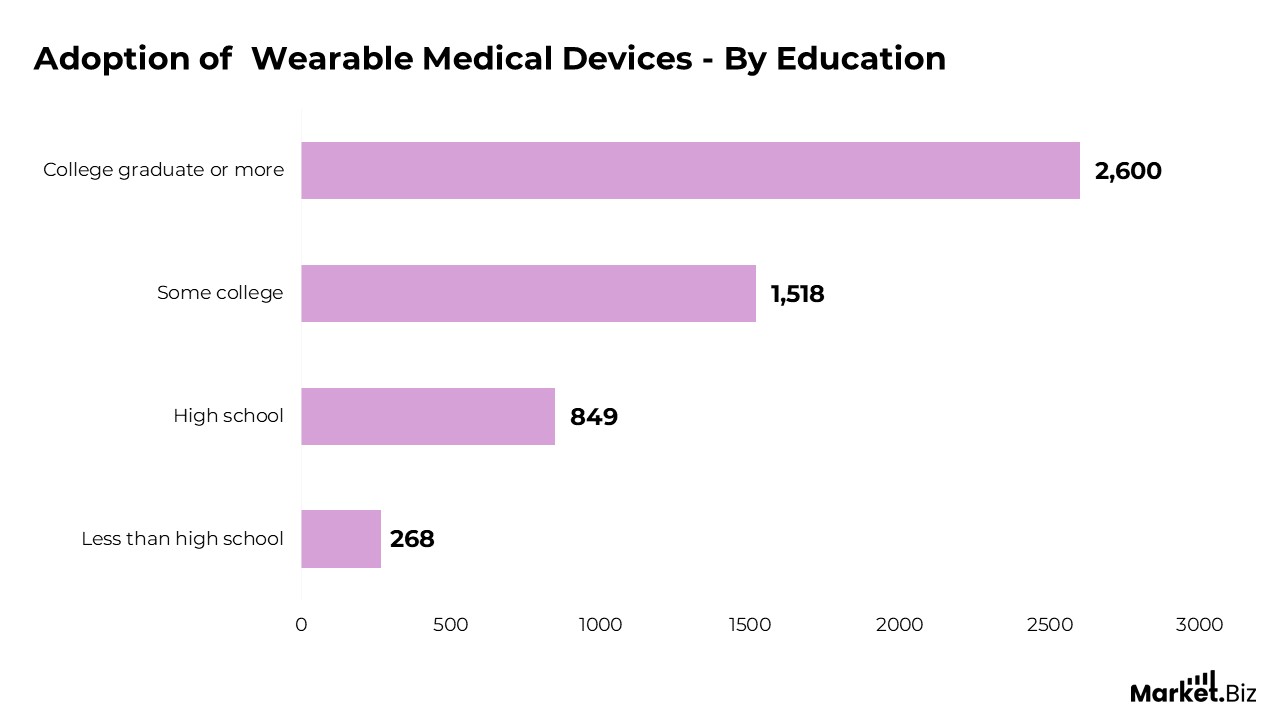
Trends in Healthcare Wearable Device Usage and Data Sharing in U.S. Adults
A recent study conducted between March and November 2022 analyzed responses from 5,591 U.S. adults to examine the use of wearable medical devices and the willingness to share wearable data with healthcare providers, family members, and others. The following analysis uncovered key findings regarding device usage patterns and data-sharing behaviours.
(Source: National Institute of Health (NIH))
Most Popular Medical Wearable Devices
Smart Health Watches
- The majority of users favour smart health watches for tracking a range of metrics, including heart rate, sleep patterns, oxygen levels, physical activity, exercise, and calories burned.
- The smartwatch market generated $38.6 billion in revenue in 2022. It is expected that the smartwatch market revenue will reach $32.05 billion by 2025.
- In 2023, global shipments of smartwatches surpassed 150 million units, reflecting the increasing global adoption of this wearable technology.
- The smartwatch market is driven by increasing health awareness and technological advancements that offer longer battery life, improved sensors, and enhanced connectivity with other devices.
(Source: Statista, Patent PC)
Wearable Fitness Trackers
- Health monitoring is an emerging trend among consumers globally.
- In 2025, the fitness tracker market is expected to reach $45.66 billion in revenue.
- Global shipments of fitness tracker units totalled 101 million in 2022.
- The expansion of the fitness tracker market is significantly driven by rising awareness of health and fitness, rising disposable income, and consumer expenditure trends.
(Source: Statista, Market.us)
Biosensors
- The Biosensors market is projected to reach USD 1.4 billion by 2027, with a compound annual growth rate of 9.4%.
- The connected biosensors market is projected to reach USD 15.68 billion by 2025.
- In 2021, the shipment of wearable medical sensors and devices reached 85 million, and this number increased to 160 million by 2024.
(Source: Statista)
Wearable Blood Pressure Monitors
- Hypertension (HTN) is the most common risk factor for cardiovascular disease, as it affects about 1 billion people worldwide, and its prevalence is estimated to reach 1.5 billion by 2025.
- In the UK, high blood pressure is the third leading risk factor for all diseases. Following smoking and a poor diet, approximately 1 in 3 adults has high blood pressure.
(Source: National Institute of Health (NIH), Blood Pressure UK)
Wearable ECG Monitors
- The prevalence of arrhythmias is likely to be 1.5% to 5% in the overall population in 2022.
- Wearable ECG monitors offer benefits such as continuous cardiac monitoring, timely detection of cardiac problems, and easy access to data, thereby encouraging proactive healthcare and potentially improving patient outcomes.
(Source: National Institute of Health (NIH)
Wearable Medical Devices Company Revenue Statistics
Fitbit
- The company offers the Fitbit Sense 2 and Fitbit Versa 4 smartwatches, which are designed to monitor a range of daily fitness activities.
- Fitbit reported estimated revenue of $1.21 billion in 2021, a 7% increase from the prior year.
- More than 31 million people use Fitbit at least once per week.
(Source: Statista, business apps)
Apple
- In 2022, Apple Services accounted for 19% of the company’s revenue, making it the second-largest division within Apple.
- By 2021, Apple’s market valuation surpassed $2 trillion, solidifying its position as the most valuable technology company globally.
(Source: Statista, business apps).
Garmin
- Garmin offers a wide range of devices, including wearable technology designed to track fitness and health for users of all ages.
- In 2022, Garmin reported a revenue of 4.86 billion U.S. dollars.
- The company provides an all-day activity tracker that monitors steps, distance, intensity, and calories, helping users stay on track with their health and fitness goals.
- Garmin’s wearable products, such as the Venu series, also track physical metrics, including sleep quality and heart rate, and are compatible with both Apple and Android smartphones for seamless integration and convenience.
(Source: Statista, CSI Market)
Philips Healthcare
- The company holds a 3% share of the global MedTech market.
- It offers a diverse portfolio of wearable medical devices, including biosensors, wearable ECG monitors, and health-focused smartwatches.
(Source: Zippia, Market.us)
Omron Healthcare
- OMRON blood pressure monitors are sold in over 110 countries and regions worldwide.
- The website www.omronhealthcare.la has seen a 33.47% increase in traffic.
- For the quarter ending September 30, 2022, Omron reflected a 100% year-over-year decline.
(Source: Omron, Macrotrends)
Wearable Technology and Continuous Monitoring
- Wearable technology has the potential to reduce hospital costs by up to 16% over five years, while remote patient monitoring could save the healthcare system $200 billion within the next 25 years.
- Around 35% of employees utilize medical wearables as part of wellness programs to reduce health insurance expenses.
- More than half of wearable device users report improvements in their mental health thanks to the technology.
- Furthermore, 15% of surveyed patients reported that their device enabled remote care, highlighting a significant growth opportunity, particularly for rural patients.
- A survey revealed that 39% of Caucasians, 31% of African Americans, and 26% of Hispanic adults expressed reluctance to share their data, indicating varying levels of concern across demographic groups.
(Source: emedcert)
Challenges of Wearable Medical Devices
- A survey by Accenture found that 75% of patients expressed concerns about the privacy of their health data, while 64% expressed concerns about data security.
- Privacy and security remain the primary concerns regarding wearable medical devices.
- Approximately 53% of fitness tracker users find sharing their health data acceptable, compared with 38% of non-users.
- Only 34% of wearable devices accurately track energy expenditure, indicating a gap in device reliability.
(Source: Accenture, American Medical Association, Pew Research)
Recent Developments
New Product Launches and Approvals
- In January 2024, Samsung Electronics Co., Ltd., a South Korean multinational in consumer electronics, launched blood pressure and electrocardiogram (ECG) features for the Galaxy Watch6 series in India through an over-the-air (OTA) update. With the Samsung Health Monitor BP and ECG tracking on the Galaxy Watch6, users can monitor their health, enhance their fitness routines, and conduct regular health checkups.
- In June 2024, Abbott Laboratories, a prominent American multinational in medical devices and healthcare, received FDA clearance for its Lingo and Libre Rio over-the-counter continuous glucose monitoring (CGM) systems. These devices are designed for general consumers to enhance their health and wellness.
Acquisitions and Mergers
- In May 2023, Medtronic plc, a leading medical device company, acquired EOFlow Co. Ltd., a South Korean provider of wearable drug delivery systems (DDS). This acquisition, combined with Medtronic’s Meal Detection Technology algorithm and next-generation continuous glucose monitor (CGM), enhances the company’s capability to better serve the growing needs of people with diabetes.
- In April 2024, Omron Healthcare, a medical device company based in Japan, acquired Luscii Healthtech, a rapidly expanding digital health and remote consultation platform. This acquisition is a strategic move to bolster Omron’s digital health offerings and expand its remote patient management capabilities. It underscores Omron’s commitment to advancing healthcare technology and supporting healthcare providers in delivering more efficient and accessible care.
Funding Rounds
- In July 2024, SoundHealth, Inc., the U.S.-based medical technology company, received $7 million in funding and unveiled SONU, the FDA-authorized, AI-powered wearable device designed to treat nasal congestion caused by both allergic and non-allergic rhinitis.
- In April 2024, Biolinq Incorporated, the U.S.-based healthcare technology company, secured $58 million in funding to develop wearable biosensors further, focusing on a crucial trial for metabolic health that utilizes precision micro-sensor technology.
Consumer Trends
- The incorporation of artificial intelligence (AI) and machine learning algorithms in wearable devices has gained significant momentum, providing personalized health insights and facilitating proactive health management. This has resulted in a 35% increase in consumer adoption.
- The growing emphasis on preventive healthcare, coupled with an aging population, has driven a surge in demand for wearable medical devices. As a result, sales of activity trackers and cardiac monitors have increased by 25% and 30%, respectively.
Regulatory Landscape
- Regulatory agencies have introduced more efficient approval processes for wearable medical devices, encouraging innovation and facilitating market entry for new players. At the same time, these streamlined procedures ensure that safety and efficacy standards are upheld to safeguard consumer interests.
Conclusion
Wearable Medical Devices Statistics – Wearable medical devices are transforming healthcare by facilitating continuous monitoring, enabling early disease detection, and enhancing patient involvement in their care.
Driven by advances in sensors, AI, machine learning, and IoT connectivity, the Market is rapidly expanding, particularly in the management of chronic conditions such as cardiovascular diseases, diabetes, and hypertension.
While challenges such as data accuracy, privacy, and regulatory hurdles remain, the benefits of convenience, remote monitoring, and personalized care are driving adoption.
As technology evolves, wearable devices are set to play a pivotal role in preventive care and remote monitoring, with continued innovation enhancing patient outcomes and healthcare efficiency.
FAQ’s
Healthcare wearable technology holds significant promise for data collection and advancing health research. These devices are capable of gathering valuable information, enabling more accurate and efficient clinical diagnoses.
The leading companies in the wearable medical devices sector include Apple, Fitbit, Omron Healthcare, Garmin, and Philips Healthcare, among others.
Some of the most popular wearable medical devices are fitness trackers, smart health watches, wearable blood pressure monitors, and biosensors.
Wearable technology has the potential to reduce hospital costs by up to 16% over five years, while remote patient monitoring could save the healthcare system $200 billion over the next 25 years.

