









Introduction
Preventive Healthcare Statistics: Preventive healthcare emphasizes proactive strategies to prevent illness rather than addressing diseases after they arise. With the global increase in healthcare expenditures, preventive approaches have become essential in curbing long-term costs and enhancing public health.
Statistics related to preventive healthcare play a crucial role in evaluating the effectiveness of various initiatives such as vaccinations, screenings, lifestyle interventions, and public health policies. These statistics offer valuable insights into disease prevention, early diagnosis, and health promotion trends, reflecting the impact of governmental efforts, healthcare systems, and societal shifts.
As awareness grows, preventive healthcare is increasingly recognized as fundamental to fostering healthier communities and alleviating pressure on healthcare infrastructures worldwide. Consequently, implementing preventive measures is a health imperative and a key economic strategy.
Editor’s Choice
- In the United States, chronic conditions, such as heart disease, diabetes, and obesity, account for about 80% of healthcare spending, much of which could be reduced through lifestyle modifications.
- Lower-income communities experience disproportionately higher rates of preventable diseases, exacerbating health inequities and highlighting the critical need for focused prevention efforts.
- Despite widespread vaccination efforts, diseases like pneumonia and flu still result in over 100,000 hospitalizations annually in the U.S., underlining the importance of maintaining vaccination programs.
- Tobacco use, lack of physical activity, and poor dietary habits collectively contribute to billions of dollars in preventable healthcare costs worldwide, emphasizing the need for stronger public health initiatives.
- Non-communicable diseases (NCDs), including cancer, cardiovascular diseases, chronic respiratory conditions, and diabetes, are responsible for roughly 71% of global mortality.
- Preventive healthcare interventions can reduce premature mortality by up to 40%, underscoring their importance in improving public health.
- According to the CDC, investing in preventive healthcare services yields significant savings, with every dollar invested potentially saving between $2 and $10 in upcoming healthcare costs.
- In the 2023-2024 season, approximately 55.4% of U.S. adults received the influenza vaccine, reflecting ongoing efforts to combat flu-related complications.
- Nearly 90% of the U.S.’s annual healthcare expenditure of USD 4.1 trillion is directed toward individuals managing mental and chronic health conditions, highlighting the financial burden of these diseases.
- Heart disease and stroke claim the lives of over 877,500 Americans each year, emphasizing the need for enhanced preventive measures in cardiovascular health.
(Source: National Institute of Health, World Health Organization, Centers for Disease Control and Prevention, WA.gov)
Occurrence of Preventable Cardiovascular Diseases (CVDs)
- Cardiovascular diseases (CVDs) remain the primary cause of mortality all over the world.
- In 2019, approximately 19% of global mortality was attributed to CVDs, accounting for 32% of all fatalities. Of these, 85% were linked to heart attacks and strokes.
- Around 80% of premature heart illness and stroke cases can be prevented through lifestyle changes, such as continuing a healthy diet, engaging in regular physical activity, and avoiding tobacco use.
- In the U.S., cardiovascular illnesses are responsible for about 1 in 4 deaths.
- On average, one individual dies every 33 seconds in the U.S. due to cardiovascular diseases.
- In 2022, 702,880 individuals in the U.S. died from heart illness, representing 1 in every five deaths.
- Managing blood pressure effectively can reduce the risk of developing cardiovascular illnesses by 70%.
- Avoiding tobacco use, maintaining a healthy diet, and engaging in regular exercise can decrease the risk of cardiovascular illnesses by 65%, 80%, and 75%, respectively.
(Source: World Health Organization, USA Facts, Centers For Disease Control and Prevention, National Institute of Health )
Prevention and Prevalence of Cancer
- As per the World Health Organization (WHO), between 30-35% of cancer cases could be avoided by eliminating risk factors like tobacco use, poor dietary habits, lack of physical activity, and excessive alcohol drinking.
- Tobacco remains the leading unnecessary cause of cancer globally, responsible for approximately 25% of all cancer-related mortality.
- Implementing tobacco control measures can reduce the risk of developing cancer by as much as 60%.
- Engaging in regular physical activity, adopting a healthy diet, and undergoing routine screenings can lower cancer risk by 45%, 70%, and 89%, respectively.
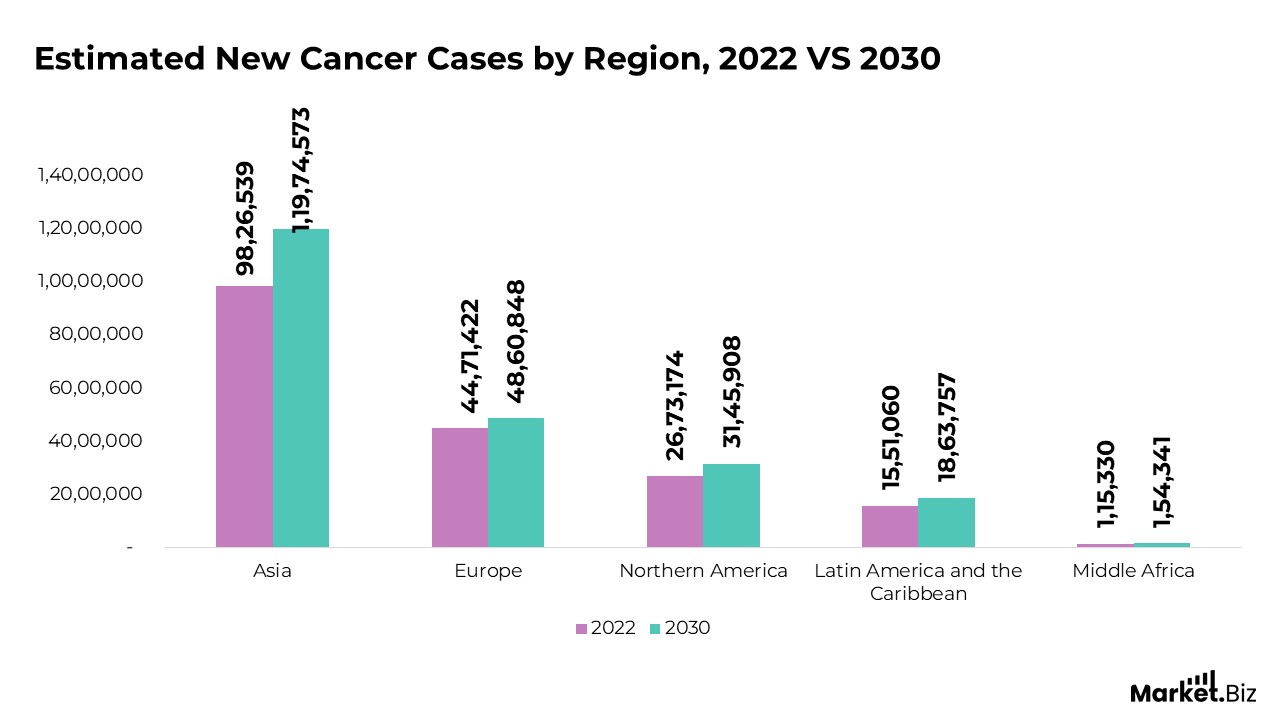
- In 2022, there were 19.9 million new cancer diagnoses worldwide. This number will rise to 24.1 million new cancer cases by 2030.
(Source: World Health Organization, Union For International Cancer Control, National Institute of Health, Cancer Research UK)
Prevention and Prevalence of Diabetes
- In 2021, an estimated 589 million adults were living with diabetes worldwide, with projections indicating this number will rise to 853 million by 2050.
- Type 2 diabetes, which constitutes the mainstream of diabetes cases, can be significantly prevented through consistent physical activity, a balanced diet, maintaining a healthy weight, and avoiding tobacco use.
- Around 8.4 million individuals are currently managing Type 1 diabetes globally.
- Type 2 diabetes represents more than 90% of all diabetes cases around the world.
- In 2022, 5.3% of Australians (approximately 1.3 million people) were living with diabetes, showing a gradual rise from 3.3% in 2001 to 5.3% in 2022.
- India ranks second globally in terms of diabetes prevalence. It is estimated that more than 74 million people in India were living with diabetes in 2021, with projections indicating that this number will exceed 124 million by 2045.
(Source: World Health Organization, International Diabetes Foundation, BioMed Central, Australian Bureau of Statistics, Statista)
Prevention and Prevalence of Respiratory Diseases
- Smoking is a leading contributor to respiratory diseases, causing approximately 7 million deaths annually, with around 1.2 million of these fatalities linked to secondhand smoke exposure.
- Approximately 91% of the global population resides in areas where air quality exceeds recommended safety thresholds, contributing to respiratory health issues.
- Respiratory diseases pose an important global health burden, affecting around 9% of the world’s population with chronic respiratory conditions in 2019.
- More than 200 million individuals are impacted by respiratory diseases worldwide, which are responsible for 3 million deaths yearly.
- According to the World Health Organization, chronic obstructive pulmonary disease (COPD) led to 3.23 million global deaths in 2024, as reported in 2019 statistics.
- In 2022, the Australian Bureau of Statistics reported that 11.7 million people in Australia were diagnosed with asthma.
(Source: Forum of International Respiratory Societies, Physiopedia, World Health Organization, Australian Bureau of Statistics)
Vaccination
Vaccination is vital in preventive healthcare, safeguarding patients and groups from infectious diseases.
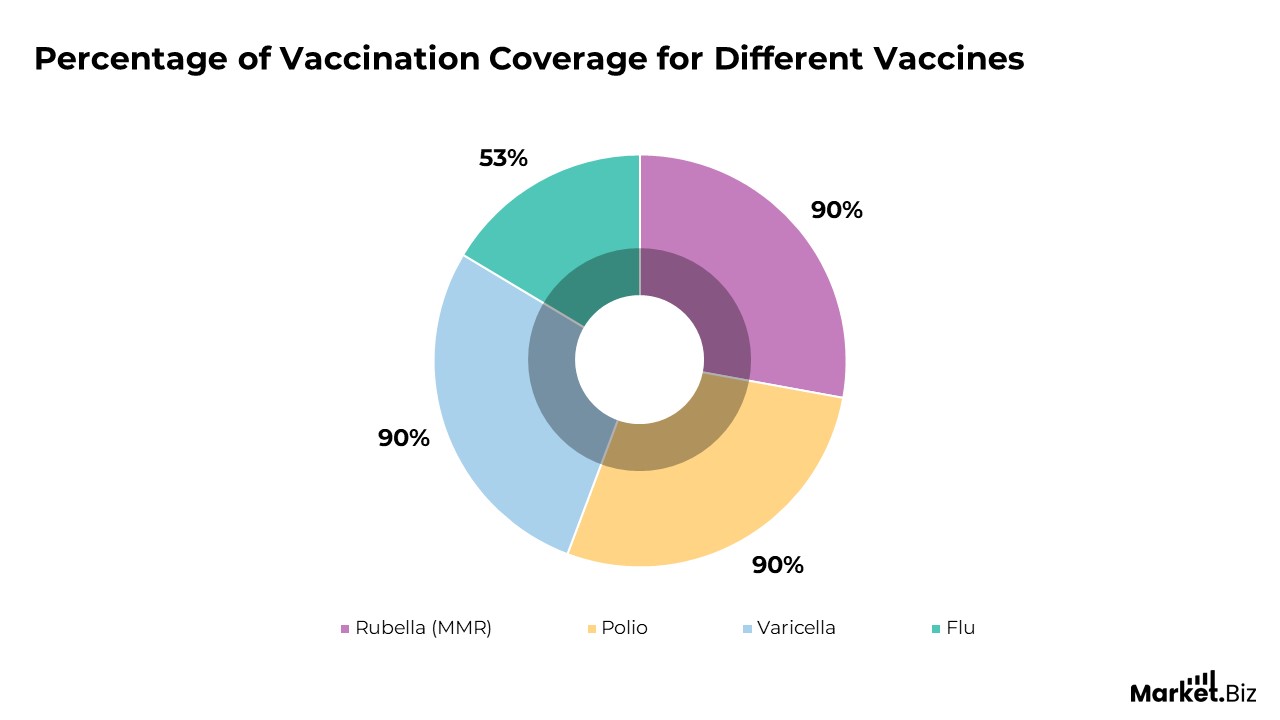
- Immunization rates for adults aged 19 to 35 months are generally elevated for recommended vaccines such as mumps, rubella (MMR), measles, polio, and varicella (chickenpox), with coverage typically exceeding 90%.
- In the 2023-2024 influenza season, the vaccination rate among individuals aged 6 months and older in the United States was 55.4%.
- Childhood vaccinations prevent approximately 4 million deaths yearly, contributing significantly to global public health.
- Between 2021 and 2030, immunization efforts are expected to prevent over 50 million deaths worldwide.
- Projections suggest that the measles vaccine will save approximately 19 million lives by 2030, while the Hepatitis B vaccine could save 14 million over the same period.
- Global vaccination coverage increased from 86% in 2019 to 81% in 2021, indicating a decline in immunization rates worldwide.
- In 2021, the number of totally unvaccinated youngsters increased by 5 million compared to 2019, highlighting the growing gap in vaccination coverage.
(Source: National Institute of Health, Centers For Disease Control and Prevention, World Health Organization)
Early Detection and Screening of Disease
Preventive healthcare is essential for recognizing potential health problems before they escalate, enabling timely intervention and minimizing the risk of chronic conditions.
- The proportion of women aged 40 and older in the U.S. who have had a mammogram within the past 2 years has remained relatively stable, with approximately 65% to 70% of women in this age group having had a mammogram.
- In 2023, about 70% of U.S. adults aged 50 to 75 had state-of-the-art colorectal cancer screenings.
- The National Lung Screening Trial found that low-dose computed tomography (LDCT) screening reduces lung cancer mortality by 20%, a finding that is consistent with chest X-ray screening.
- In 2022, 60% of adults were diagnosed with lung cancer at stage 1, while fewer than 10% were diagnosed at stage 4.
- In 2022, 90% of adults were identified with bowel illnesses at stage 1, while 10% were diagnosed at stage 4.
- Nearly all women diagnosed with breast cancer in 2022 were in stage 1, whereas approximately 30% were diagnosed at stage 4.
(Source: National Institute of Health, Centers For Disease Control and Prevention, Cancer Research UK)
Patient Hospitalization Trends Based on Gender and Age
- In 2022, approximately 61.4 preventive care visits were made per 100 patients. Women had a higher rate, with 76.6 visits per 100 females, compared with 45.4 per 100 males.
- Preventive care visits were notably higher among children under 18 (73.2 per 100 individuals) and people aged 65 and above (81.1 visits per 100 individuals). Adults aged 18-44 had a considerably lower rate, at 53.2 visits per 100 individuals, whereas those aged 45-64 had an even lower rate, at 51.8 visits per 100 individuals.
- Among women, those aged 18-44 had the highest number of preventive care visits, with 87.1 visits per 100 women, compared with 18.5 per 100 men in the same age group. Women aged 45-64 also had a higher percentage of preventive care appointments (60.5 per 100 women) than their male counterparts.
- The United States saw 33.67 million hospital admissions in 2024, reflecting the ongoing demand for healthcare services.
- Childbirth remains the most common reason for hospitalization in the United States, with over 3.8 million births taking place in hospitals annually.
Treatment Rates in General Hospitals, by Gender
| Patient Category | Total | Females | Males |
|---|---|---|---|
| Total Patients in General Hospitals | 2,139,926 | 1,150,412 | 989,560 |
| In-patients | 522,989 | 288,295 | 234,696 |
| Day Case Patients | 292,528 | 163,444 | 129,086 |
| Out-patients | 1,986,549 | 1,068,927 | 917,661 |
(Source: Centers For Disease Control and Prevention, Statistics Norway)
Major Contributors to Preventable Mortality Globally
- Each day, over 1 million new cases of curable sexually transmitted diseases are acquired globally among individuals aged 15–49, with most remaining asymptomatic.
- Around 374 million new infections of four curable STIs—gonorrhea, Chlamydia, trichomoniasis, and syphilis—are detected annually among people aged 15–49.
- An estimated 1.28 billion adults aged 30–79 worldwide have hypertension, with the majority (approximately two-thirds) residing in low- and middle-income countries in 2023.
- In 2023, an estimated 1.28 billion adults aged 30–79 worldwide suffer from hypertension, with two-thirds of them living in low- and middle-income countries.
- High cholesterol levels are responsible for approximately 3.9 million deaths annually.
- Poor diet contributes to around 2.8 million deaths each year.
- Obesity and higher weight are linked to almost 2.5 million deaths annually.
- Physical inactivity is responsible for around 2.0 million deaths per year.
- Alcohol consumption causes approximately 2.6 million deaths annually.
- Indoor air contamination from the use of solid fuels is responsible for around 1.8 million deaths each year.
- Poor water quality and sanitation contribute to approximately 1.6 million deaths annually.
(Source: World Health Organization, World Heart Foundation, National Institute of Health, United Nations Development Programme)
Preventive Interventions to Reduce Child Deaths
- Breastfeeding can prevent almost 13% of all child mortality, making it a crucial intervention for infant survival.
- Using insecticide-treated materials, such as bed nets, can prevent approximately 7% of child mortality, particularly in malaria-endemic areas.
- Suitable balancing feeding practices are vital, preventing around 6% of child mortality by ensuring proper nutrition during infancy.
- Zinc supplementation plays a significant role in stopping roughly 4% of child mortality, especially in regions with high levels of malnutrition.
- Confirming clean distribution practices can reduce child mortality by approximately 4%, underscoring the importance of safe birthing environments.
- The Hib vaccine can prevent approximately 4% of child deaths by protecting against severe bacterial infections.
- Improving sanitation, water, and hygiene practices can prevent about 3% of child mortality by reducing exposure to waterborne diseases.
- Antenatal steroid administration to mothers at risk can prevent approximately 3% of child deaths, particularly in premature births.
- Proper newborn temperature management can reduce child mortality by about 2%, ensuring babies are kept warm after birth.
- Vitamin A supplementation prevents around 2% of child deaths by reducing the risk of infectious diseases and boosting immunity.
- The tetanus toxoid serum is a critical preventive measure, potentially preventing around 2% of child mortality, especially during childbirth.
- The combination of nevirapine and appropriate replacement feeding practices can prevent around 2% of child deaths, particularly in HIV-exposed infants.
- Administering antibiotics to prevent infections following premature rupture of tissues can help stop about 1% of child deaths.
- Measles vaccination is an effective preventive measure, contributing to the reduction of approximately 1% of child deaths by safeguarding against a deadly viral infection.
- Antimalarial intermittent protective treatment during pregnancy can prevent fewer than 1% of child deaths, offering protection against malaria-related complications.
Recent Developments
Research and Development Investment
- Healthcare organizations and technology firms have dedicated substantial resources to research and development in preventive healthcare technology, with global investments reaching approximately $2 billion to advance innovations and expand market opportunities.
Regulatory Landscape
- Regulatory bodies established guidelines for preventive healthcare services and digital health technologies, ensuring compliance with quality standards and safeguarding patient privacy in the delivery of preventive care.
Conclusion
Preventive Healthcare Statistics: Preventive healthcare is essential in fostering overall health and well-being by emphasizing disease prevention, early detection, and proactive health promotion. By adopting preventive strategies such as vaccinations, screenings, and lifestyle changes, individuals and communities can significantly lower the impact of preventable diseases, leading to improved health outcomes.
A growing focus on preventive care is vital for reducing healthcare expenses, enhancing quality of life, and ensuring better long-term health outcomes for individuals. By prioritizing and investing in preventive healthcare, we can pave the way for a healthier, more resilient future for all.
FAQ’s
Preventive healthcare is centered around proactive efforts to avert illnesses, rather than treating diseases after they occur. It encompasses practices such as vaccinations, routine health check-ups, promoting healthier lifestyles, and early detection of disease through screening.
Statistics in preventive healthcare offer critical insights into the effectiveness of various health programs. They help evaluate the impact of initiatives such as vaccination drives, health education campaigns, and early diagnostic tests, assisting healthcare providers and policymakers in making data-driven decisions.
Preventive healthcare helps reduce medical expenses by preventing disease onset or identifying it early. It also improves quality of life by reducing the risk of chronic diseases, extending life expectancy, and minimizing the need for costly medical treatments.
Important lifestyle changes include regular physical exercise, balanced nutrition, smoking cessation, reduced alcohol consumption, and stress management. Studies show that adopting these habits can significantly lower the likelihood of developing chronic conditions such as heart disease, diabetes, and cancer.
Public health programs, such as anti-smoking campaigns, nutrition education, and mental health education, are essential for reducing disease risk. These initiatives help improve public health outcomes by encouraging healthier choices and increasing awareness about various health risks.

