








Introduction
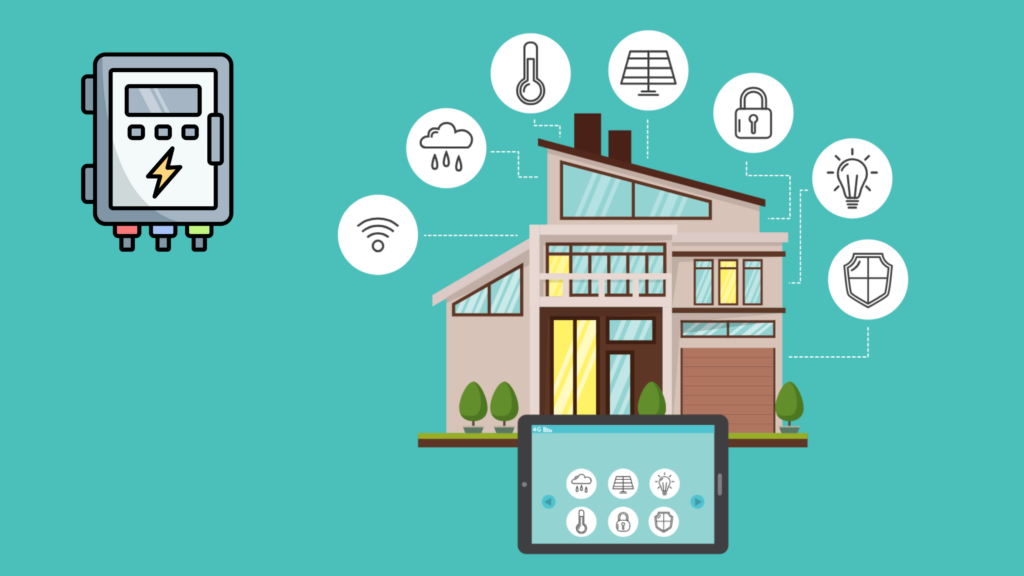
Smart Meter Statistics: A smart meter is a digital device that records your gas, electricity, or water usage automatically in real-time and transmits that information directly to your utility provider. This process eliminates the need for manual readings, ensuring accurate billing, and provides in-home displays that allow users to monitor and manage their consumption to enhance efficiency.
Smart Meter Statistics offer essential insights into energy consumption, grid efficiency, and adoption rates, revealing trends such as the increasing number of installations, for example, over 40 million in Great Britain by the end of 2025, enhanced utility revenue, for example, a 20.5% increase in India’s RDSS program, and a reduction in losses (with a 11-36% decrease in AT&C losses).
These statistics underscore the importance of smart meters in the digital transformation of utilities, facilitating real-time monitoring, demand management, renewable energy integration, and improved consumer awareness regarding energy conservation, which collectively contribute to substantial market growth.
Editor’s Choice
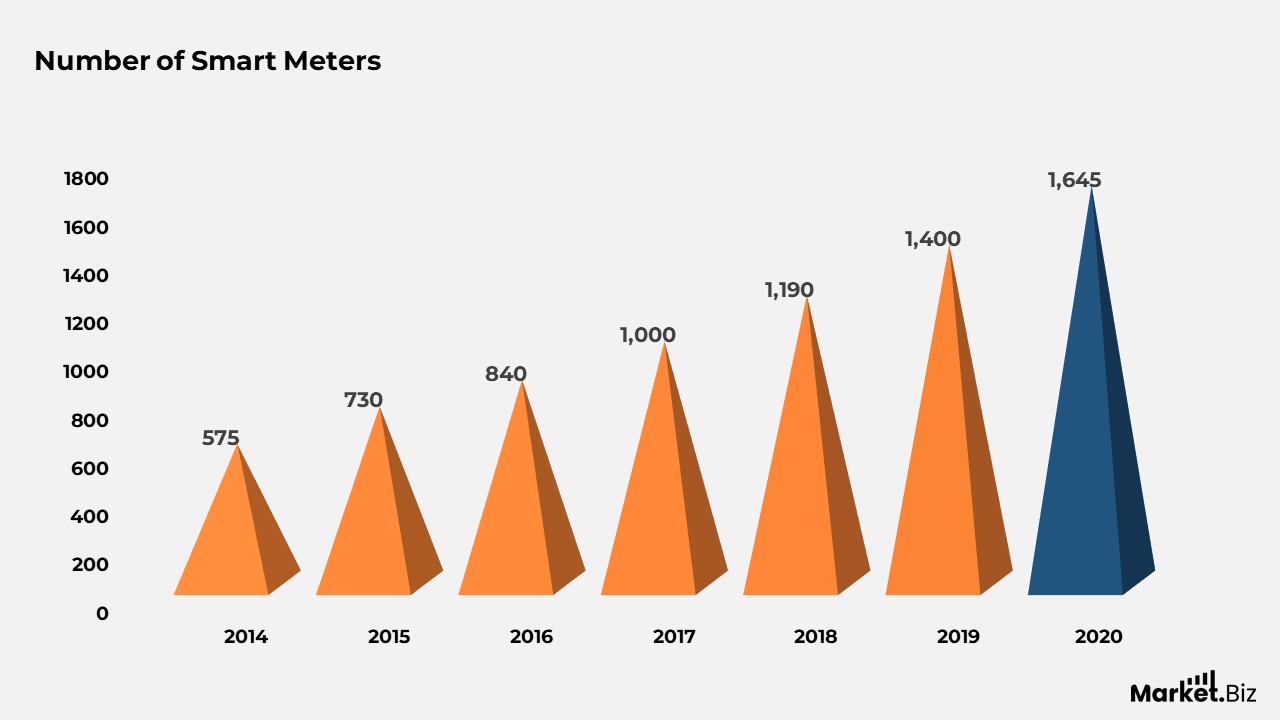
- In 2014, there were 575 million smart meters installed around the world.
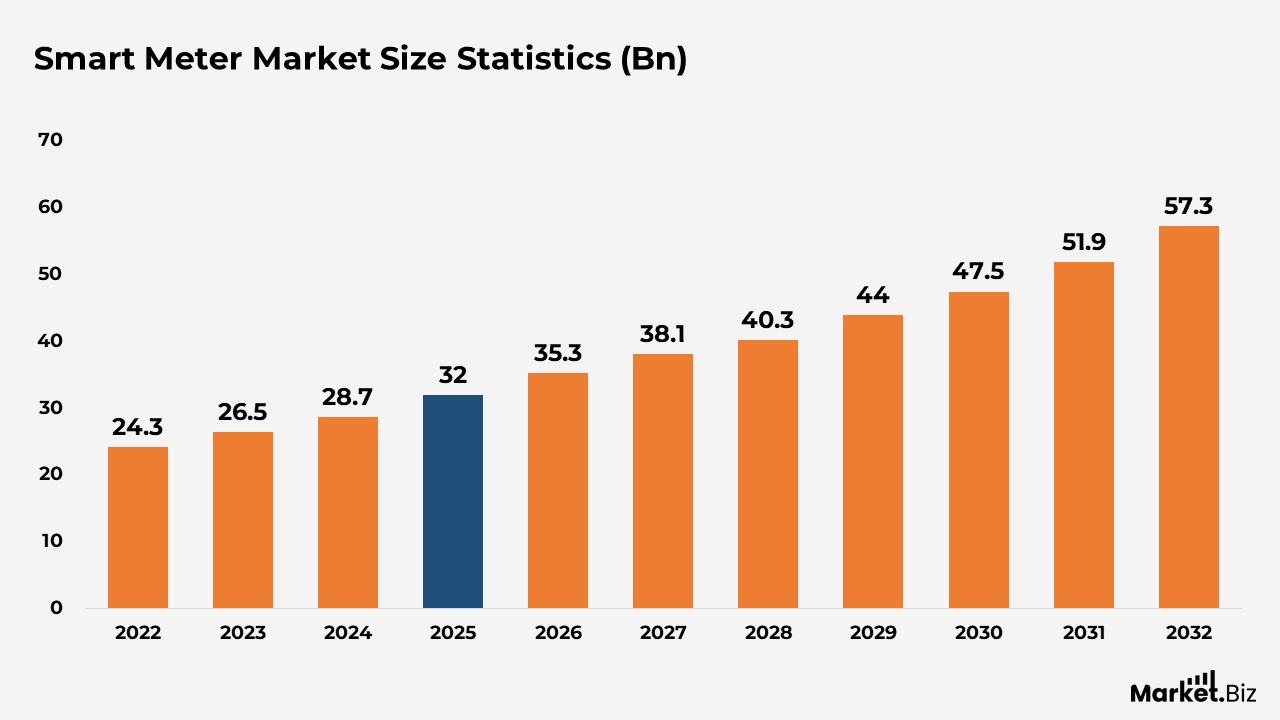
- The global revenue from the smart meter market reached USD 26.5 billion in 2023.
- In 2022, the market revenue was reported to be USD 24.3 billion.
- China is at the forefront with a complete deployment, achieving a 100% penetration rate of meters in households.
- As of the end of 2024, approximately 38 million smart meters have been installed throughout the UK.
- In the year 2020, worldwide investments in Advanced Metering Infrastructure (AMI) amounted to USD 97.4 billion.
General Smart Meter Statistics
- The global revenue from the smart meter market reached USD 26.5 billion in 2023.
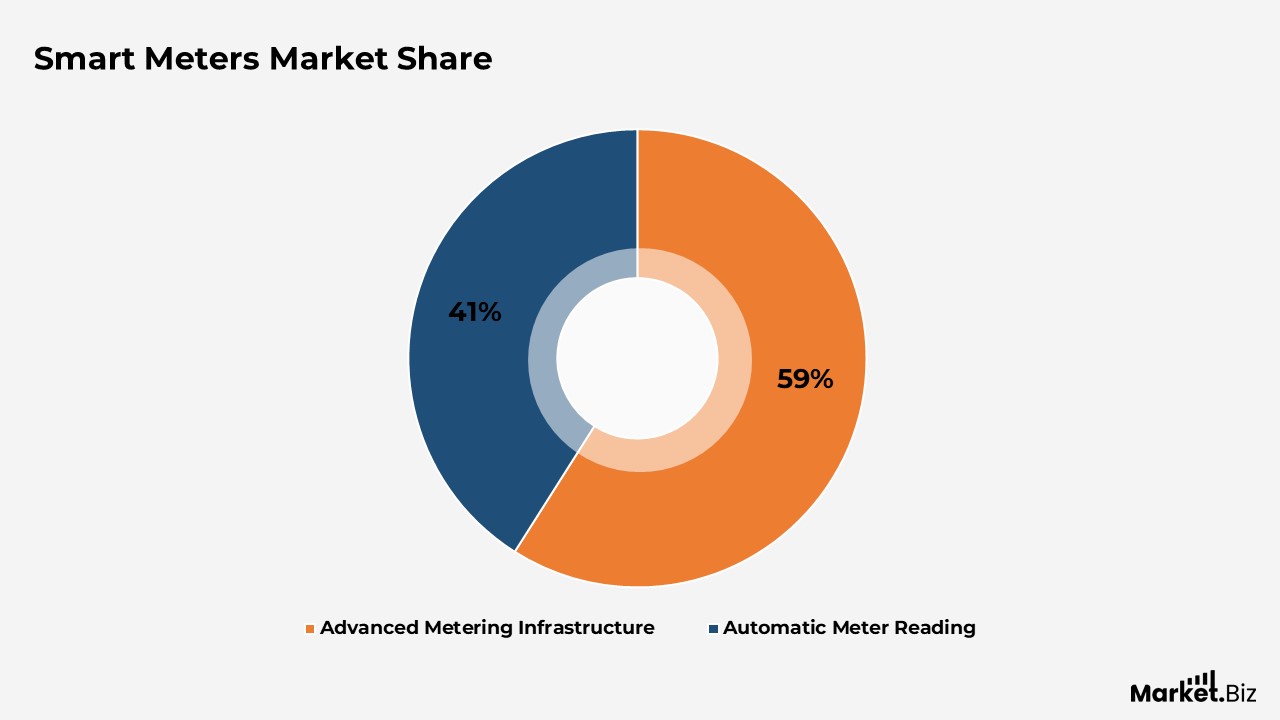
- The demand for smart meters is primarily fueled by two significant end-user segments: Advanced Metering Infrastructure (AMI) and Automatic Meter Reading (AMR).
- Among these, Advanced Metering Infrastructure dominates the market, holding a 59% share.
- It is projected that the global revenue for the smart electricity meter market will reach USD 16 billion by 2027.
- Smart meters generally function at a nominal voltage ranging from 120V to 240V and can accommodate current ratings of up to 320A, as exemplified by models such as the Aclara I-210+ smart grid meter.
- By the year 2020, the total number of meters installed globally had increased to 1,645 million units.
- As of 2021, the rollout of residential meters has shown considerable variation across various countries and regions.
- China is at the forefront, having achieved full deployment with 100% penetration of meters in households.
- In addition, outside of Europe, India’s Ministry of Power has set a goal to replace all traditional meters with smart meters by the year 2025.
Smart Meters Market Statistics
- The global smart meter market has shown a steady upward trend in recent years, achieving a compound annual growth rate (CAGR) of 9.20%.
- In 2022, the market revenue was reported to be USD 24.3 billion.
- The market is anticipated to maintain its growth trajectory, reaching USD 51.9 billion by 2031 and further increasing to USD 57.3 billion by 2032.
- The demand for smart meters is primarily driven by two significant end-user segments: Advanced Metering Infrastructure (AMI) and Automatic Meter Reading (AMR).
- Advanced Metering Infrastructure dominates the market, holding a 59% share.
- Conversely, Automatic Meter Reading accounts for 41% of the market share.
Statistics of Smart Meter Specifications
- Smart meters, which are essential for the modernisation of energy grids, are equipped with a variety of technical specifications tailored to fulfil different operational requirements.
- These devices generally function at a nominal voltage ranging from 120V to 240V and can accommodate current ratings of up to 320A, as exemplified by models such as the Aclara I-210+ smart grid meter.
- They are capable of supporting frequencies of either 50 or 60 Hz and are engineered to operate effectively across a broad temperature spectrum, from -40°C to +85°C, with relative humidity levels reaching up to 95%, thereby ensuring dependable performance in a range of environmental conditions.
- Further specifications encompass high measurement precision, with voltage accuracy rated at ±0.5% and current/power/energy accuracy at ±1%.
- Additionally, they feature communication interfaces like RF Mesh and PLC, allowing for flexible connectivity.
Smart Meter Deployment Statistics
- In 2014, there were 575 million smart meters installed around the world.
- By 2020, this figure had increased dramatically to 1,645 million smart meters globally.
Deployment by Country Statistics
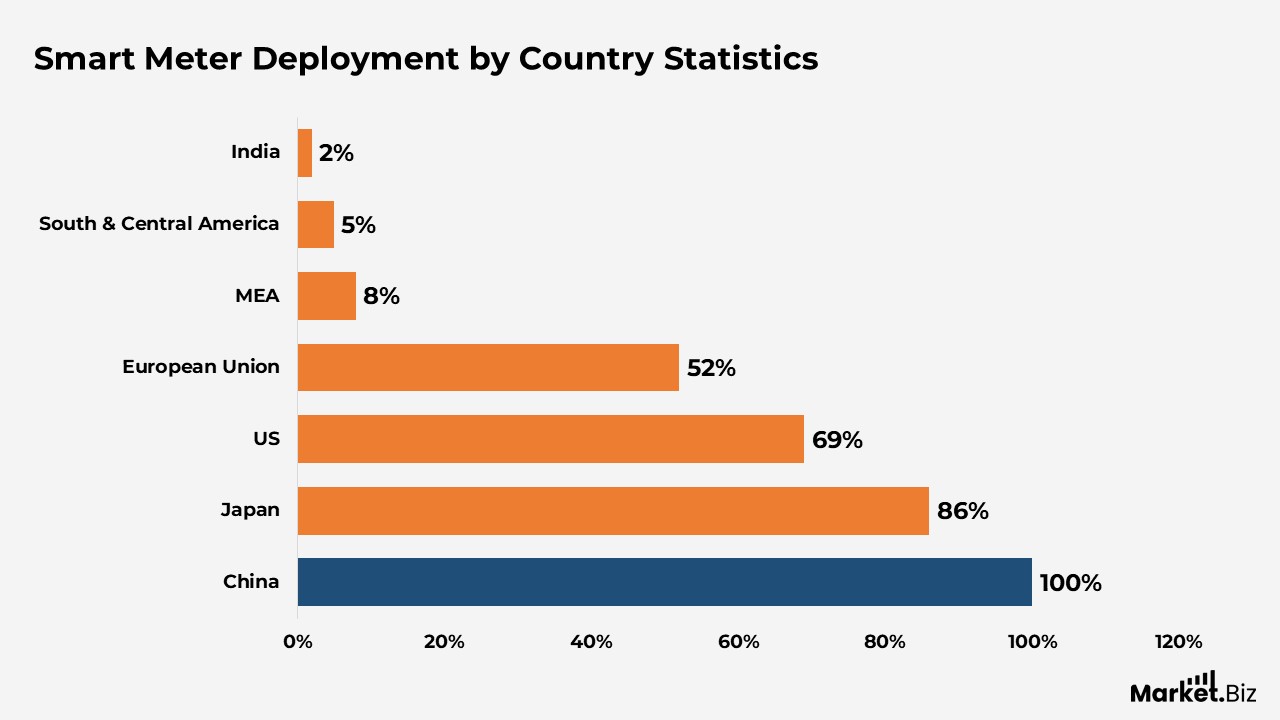
- China is at the forefront with a complete deployment, achieving a 100% penetration rate of meters in households.
- Japan follows closely, with 86% of households outfitted with smart meters.
- In the United States, 69% of households have embraced this technology.
- The European Union boasts a 52% deployment rate, indicating considerable progress yet still allowing for additional adoption.
- Conversely, the Middle East and Africa region exhibits a markedly lower penetration rate of 8%, while South and Central America have reached a 5% deployment rate.
- India is trailing behind, with merely 2% of households having meters installed.
UK Smart Meter Statistics
- As of the end of 2024, approximately 38 million smart meters have been installed throughout the UK.
- Electricity meters provided by major suppliers constitute nearly two-thirds (56.26%) of the total smart meters installed in the UK.
- During 2024, over 2.76 million domestic smart meters were installed across the UK, which translates to an installation rate of nearly 7,564 per day.
- In contrast, the installation rate for non-domestic smart meters is significantly lower, averaging 340 per day throughout 2024.
- The year 2018 marked the highest level of smart meter installations, with 6,208 gas meters and 7,860 electricity meters being installed daily.
- By the end of 2024, the government has not yet achieved its smart meter rollout target for Q4 2025, as less than two-thirds (64%) of all homes and small businesses in the UK have a smart meter installed.
- In April 2025, the Data Communications Company, which operates the dedicated network for smart meters, reported that 20.5 million homes and small businesses were connected to the network.
Smart Meter Investments Statistics
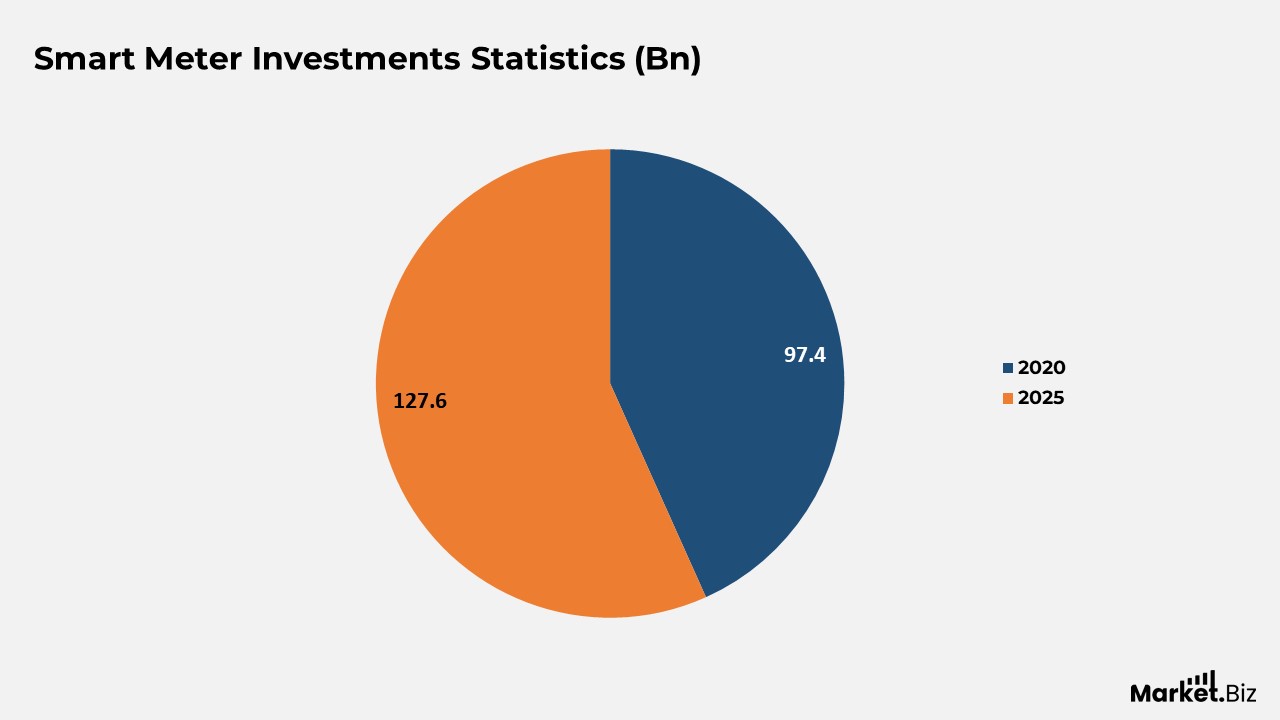
- In the year 2020, worldwide investments in Advanced Metering Infrastructure (AMI) amounted to USD 97.4 billion.
- Looking forward, it is anticipated that investments will maintain their increasing trend, with projections suggesting that by 2025, total investments will attain USD 127.6 billion.
Smart Meters Facts
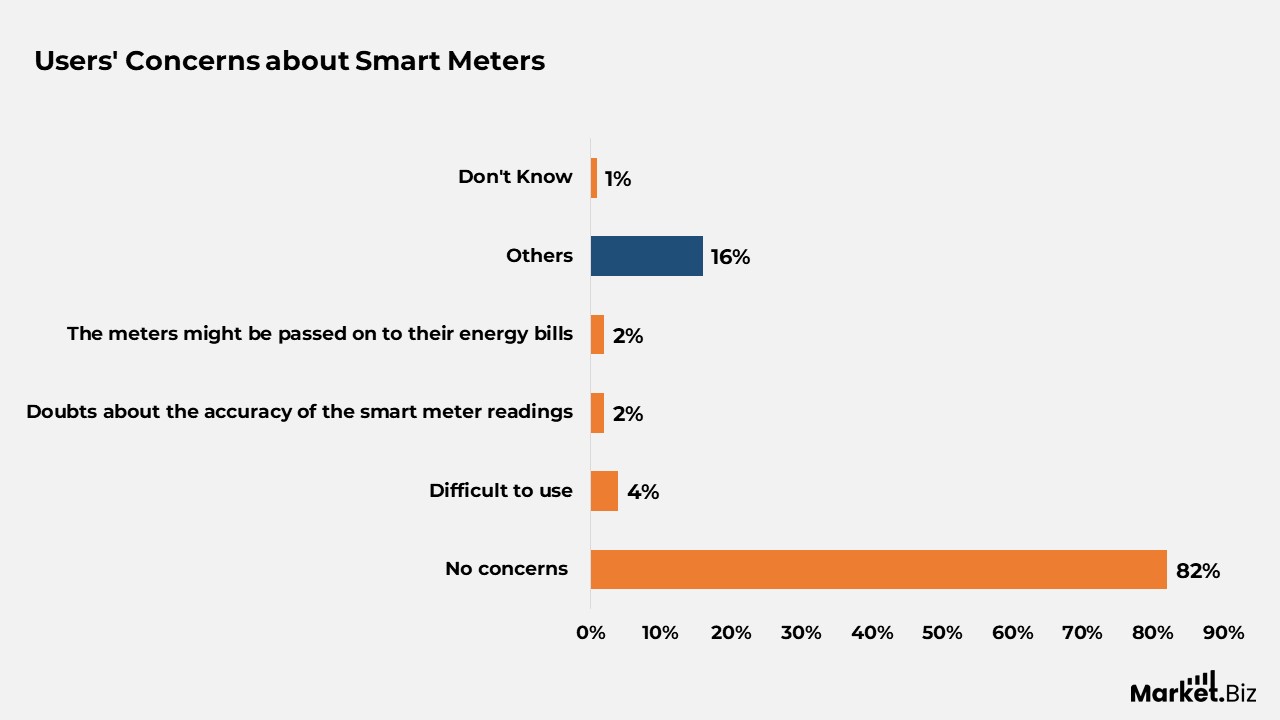
- In a recent survey concerning apprehensions about smart or new meters, the majority of participants indicated minimal concern. Notably, 82% stated they had no worries whatsoever.
- Among those who voiced concerns, the primary issue highlighted by 4% of respondents was the challenge in using or comprehending the meters.
- Furthermore, 2% of participants believed that the information presented on the In-Home Display (IHD) was overly simplistic.
- In contrast, another 2% were apprehensive that the expenses associated with the meters might be transferred to their energy bills or that energy prices could increase as a consequence.
- An identical percentage, 2%, raised questions regarding the precision of the smart meter readings.
- A varied range of additional concerns was noted by 16% of respondents, while 1% expressed uncertainty about any possible issues.
Recent Development
- In October 2023, Avanci initiated its 4G smart meter patent licensing program, with EDMI being the inaugural licensee.
- In May 2024, Oakter unveiled the OakMeter, an innovative smart energy meter designed to transform the management of energy consumption.
Smart Meter Future Prediction
- The Smart Meter sector anticipates substantial growth, with its market value expected to surpass $50-$60 billion by the years 2030 to 2035, propelled by regulatory mandates and enhancements in infrastructure.
- The Asia-Pacific region stands out as the leading and most rapidly expanding area, with China and India at the forefront of installations, targeting a total of 1 billion smart meters in the APAC region by 2026.
Conclusion
Smart Meter Statistics: Statistics regarding smart meters indicate a notable global uptake, propelled by advantages such as enhanced grid efficiency, minimized energy waste, improved demand management, and financial savings for both utilities and consumers.
However, challenges persist in areas such as data management (including storage, privacy, and processing of large volumes), connectivity, and the assurance of widespread and effective implementation, particularly in developing countries like India, where extensive rollouts are in progress but encounter integration delays.
This data facilitates advanced applications, including energy theft detection and predictive maintenance, steering utilities towards a more intelligent, automated, and sustainable energy future.
FAQ’s
With SmartThings Energy, you can achieve exactly that by harnessing the capabilities of your smart meter and gaining complete control over your household energy.
Concerns regarding data privacy continue to be significant. The primary issue raised by critics of smart meters, in addition to the expenses associated with their implementation, is the potential privacy risks linked to the transmission of household data to a supplier.
The minimal levels of RF radiation emitted by a smart meter are significantly below the established regulatory limits. When a smart meter is in transmission mode, the RF energy exposure at a distance of 8 inches from the meter measures 0.06 mW/cm² at 902 MHz, which is nearly 10 times lower than the exposure threshold set by the FCC.