









Introduction
Influencer Marketing Employment Statistics: Influencer marketing is a growing powerhouse within the digital economy and has therefore created thousands of jobs around the world. In 2024, the globally valued industry will be greater than $34 billion, and brands recognize that influencer partnerships are a good way to reach committed and engaged audiences.
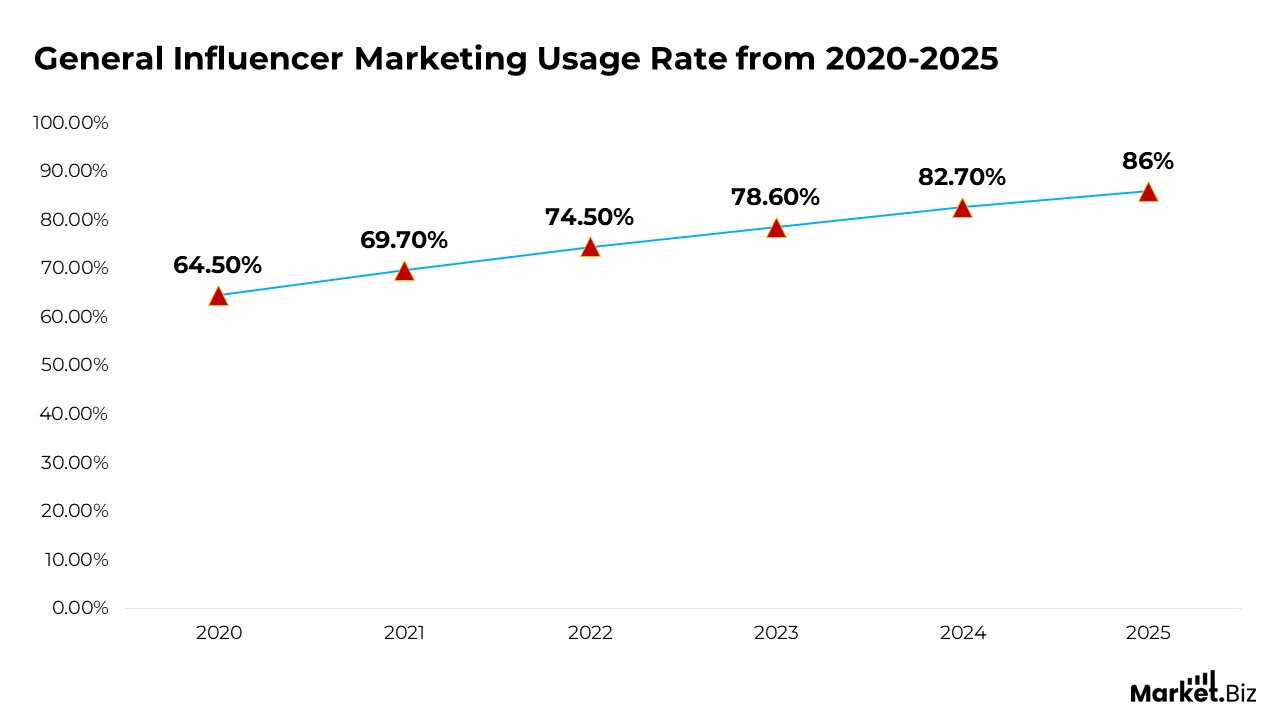
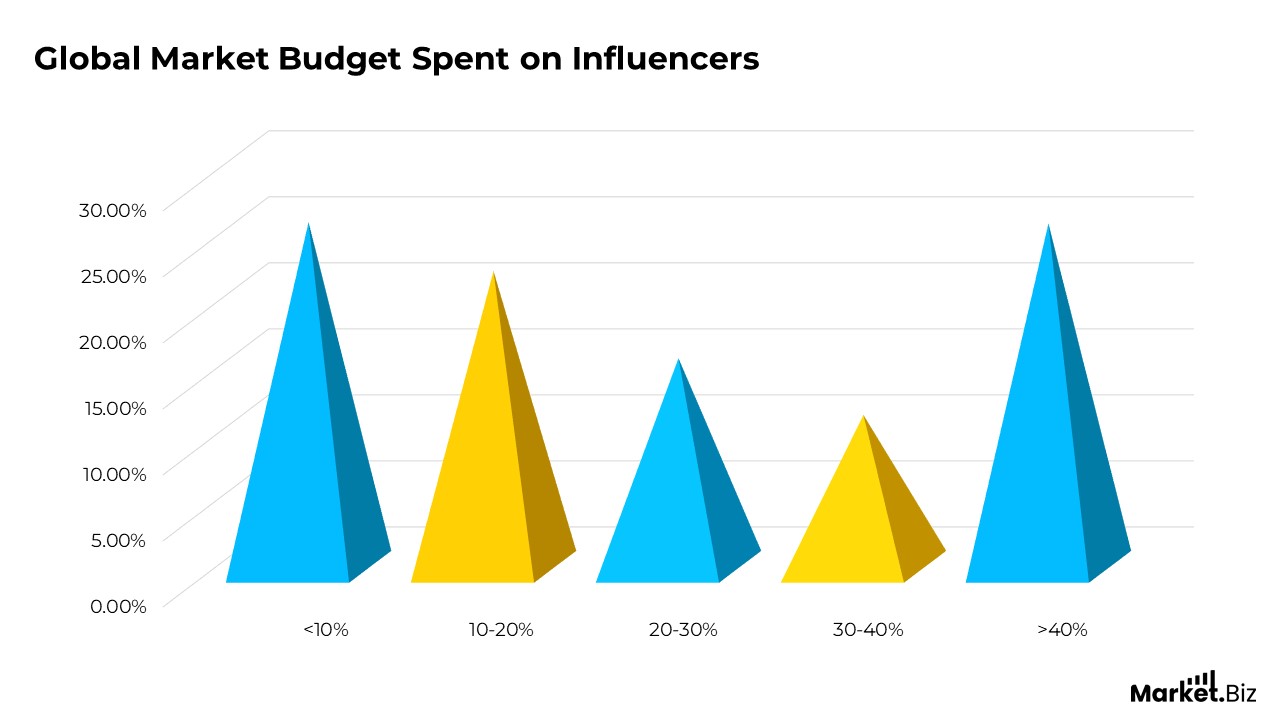
Furthermore, almost 80% of companies are now allocating at least part of their marketing budget to influencer campaigns, which continues to increase demand for influencer manager, content creators, and social media experts.
We are seeing the growth of more full-time influencers and support professionals, which creates a competitive environment for job seekers. This growth suggests that job opportunities related to influencer marketing will continue to increase, making influencer marketing a viable career option in today’s market.
Editor’s Choice
- 91% of marketers felt influencer marketing is a good way to connect to their target audience.
- More than 57% of brands reported using Instagram for influencer marketing campaigns.
- Around 33% of brands said that they have more than 6 influencer marketing personnel.
- North America had the largest share of platform growth in 2024.
- The European segment is forecast to grow at over 22% CAGR from 2025-2030.
- The Asia Pacific region is the leader in CAGR growth forecast at 27% from 2025-2030.
- Macro TikTok creators (500,000-1,000,000 followers) will typically be paid $20,000-$45,000 per video post.
- Macro YouTubers (500,000-1,000,000 subscribers) will typically be paid $25,000-$49,000 per sponsored video.
- Snapchat influencer posts are far less flexible in earning rates, ranging from $200 to $35,000, relative to follower size and mostly engagement levels.
- 28.9% of Gen Z engage with health influencers, demonstrating narrow interest.
- 1.4 billion Posts by influencers in the year 2024 generated $236 billion in Earned Media Value.
General Influencer Marketing Employment Statistics
- The influencer marketing space is predicted to reach $34.2 billion per year in 2024, which shows how quickly it is growing.
- The influencer marketing space has grown by 14.47% growth since 2022, which shows how significant it is becoming in digital marketing channels.
- Roughly 80% of companies are now spending some of their marketing budgets specifically on influencer campaigns, which indicates mainstream acceptance.
- Roughly 89% of marketers plan to keep or increase their spending in influencer marketing, which shows confidence in influencer marketing.
- Brands are earning on average $5.78 for every $1 spent on influencer marketing, which indicates strong ROI.
- 91% of marketers felt influencer marketing is a good way to connect to their target audience.
- Short form video on platforms like TikTok and Instagram Reels returns 10% ROI, which shows short-form video is highly effective.
Moreover
- The influencer marketing space was valued at $24 billion in 2024, up from $16.4 billion in 2022.
- Just over 57% of brands use Instagram for influencer campaigns, while 52% of brands use TikTik, or other short form channels.
- The global influencer marketing platform industry is expected to grow to nearly $33 billion by the end of 2025 as the ecosystem continues to grow.
- In 2024, 55% of organisations stated that they were increasing their spending on influencer marketing from the prior year.
- 33% reported that they have more than 6 dedicated team members for influencer marketing which is a sign that they have decided to invest resources.
- About 64% of marketers stated they have worked with micro influencers, and 47% said they have seen the most success with micro influencers.
- There has been growth in brands that have opted to partner with nano influencers and 44% of brands prefer to work with nano influencer.
- The growth in influencer marketing has resulted in more hiring for positions allowing for more social media managers and content creators, to data analysts.
- In 2024, brands are opting for more long-term collaborations with their influencers as they want to build trust and authenticity with their consumers.
(Source: Sproutsocial)
Global Market Growth
- The influencer marketing industry size is expected to be $34.2 billion worldwide in 2024, with an impressive annual increase.
- The influencer marketing industry has grown 14.47% since 2022, indicating its growth in importance in digital marketing.
- Almost 80% of businesses are putting at least some of their marketing budgets every year towards influencer marketing efforts, indicating that this marketing experience is the new normal.
- Almost 89% of marketers plan to maintain or increase their expenditure on influencer marketing, which reflects that there is a feeling of positive, money making momentum in the field.
- Brands, on average can gain $5.78 or more back for every dollar spent on influencer marketing, showing that spending remains positive.
- Amazingly, 91% of marketer’s day that they as an organisation believe influencer marketing is effective for organisations to reach their intended target marketing audience.
- Short form video platforms, such as TikTok, Instagram Reels and YouTube shorts create a 10% ROI as opposed to traditional marketing methods; something to be said for short and punchy visual design content.
- The influencer marketing industry had a $24 billion market cap in 2024 compared to $16.4 billion in 2022, so business is up.
- More than 57% of brands reported using Instagram for influencer marketing campaigns.
- The global influencer marketing platform market is projected to reach nearly $33billion in 2025, with a large segment of the creator community.
- In 2024, 55% of organisations said that they have increased their efforts and invested in influencer marketing year over year.
- Around 33% of brands said that they have more than 6 influencer marketing personnel.
(Source: Sproutsocial)
Impact of Short Form Video
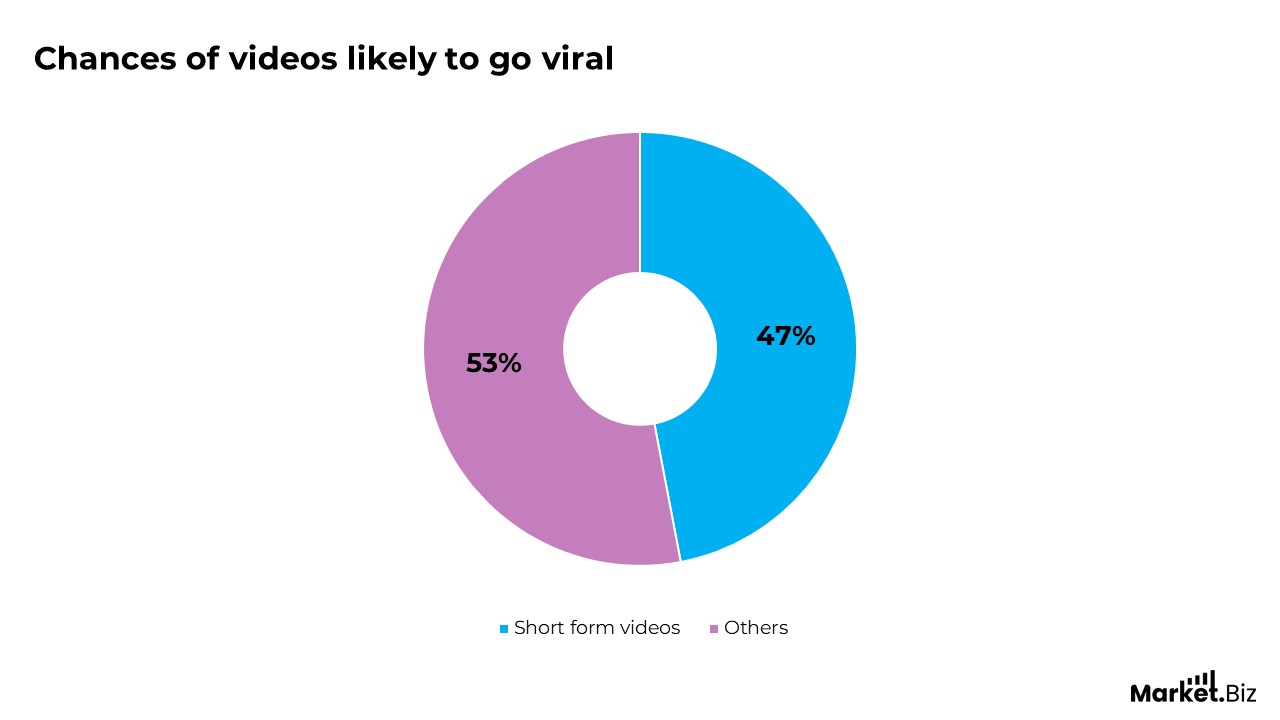
- 47% of marketers claim short form videos are the most likely to go viral, which has led to more hiring of video editors and content producers.
- 60% report they will watch short form video content, 41-80% completion length, and even this has led brands to hire social media managers to produce engaging 60 second clips.
- 30% of short form content receives greater than 81% video completion rates, which has led to demand for content strategists who specialize in snackable content.
- Short form videos receive 2.5x more engagement than long form videos, this led companies to hire up to 5 creator roles with new positions such as editor, graphics and brand strategist.
- 56% of business videos are now under 2 minutes, so the need for a scriptwriter and videographers who can help business who need to hire fast to develop content.
- 90 seconds or less holds a 50% retention rate, so firms are hiring retention analysts focused exclusively on optimizing short form performance.
Moreover
- 57% of Gen Z will use short form video and content to research and purchase products shift, therefore e-commerce brands are hiring TikTok specialists in a direct approach to engage on multiple platform.
- 44% of marketer’s full plan to move towards implementing short form video and content as a strategy for e-commerce in 2024, which has increased job postings for social commerce manage by 33% year over year.
- 31% of marketers report that short form videos provide the best ROI, leading to an increase in influencer manager jobs for TikTok and Reels.
- Business insider reported a 33% increase in creator jobs’ listing from Q4 2022, compared to Q4 2021, demonstrating the ability of short form to draw in employment.
- Video editors, graphic designers, and social media managers are examples of jobs that have grown in openings by over 30%.
- It’s common for brands to now employ a personal assistant for their top influencer to help organize short form shoots, emphasizing time dependence.
- Not surprisingly, creator teams at studios have experienced a 33% increase adding more behind the scenes vloggers to support short form production from creators.
Platform Industry Growth
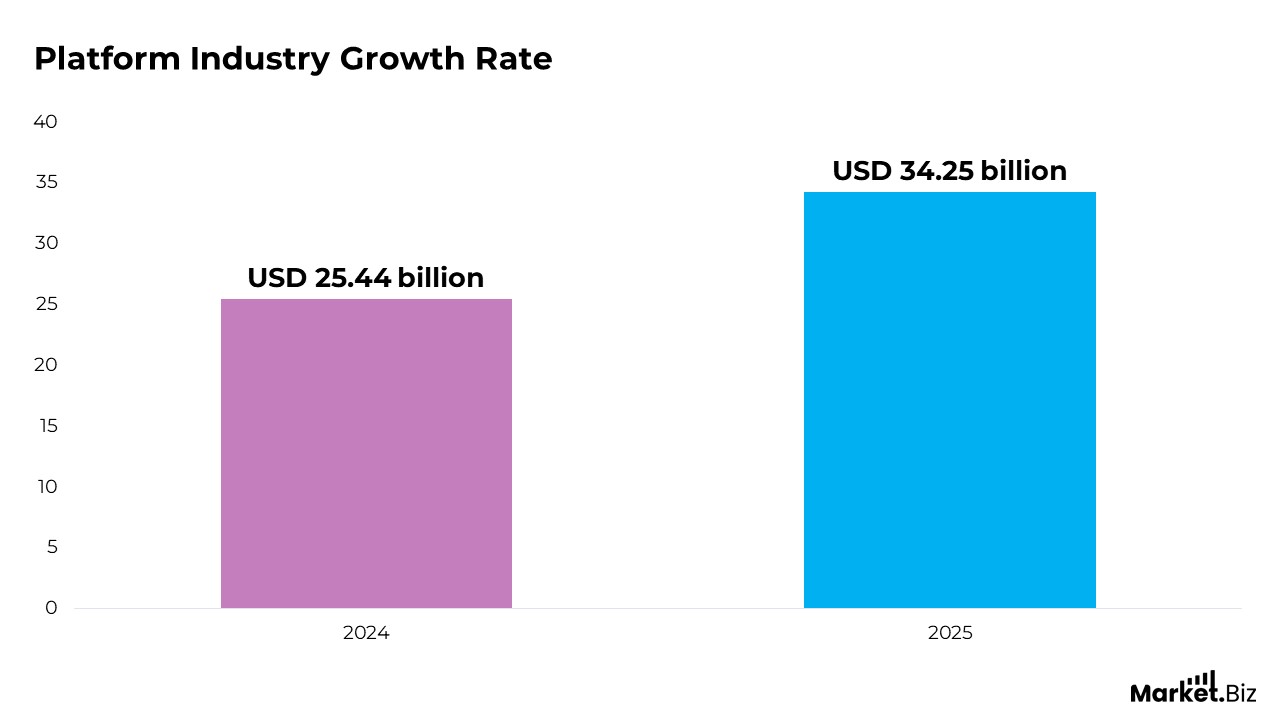
- The influencer marketing platform industry had a valuation of USD 25.44 billion in 2024.
- In 2025, it is anticipated to reach USD 34.25 billion.
- From 2025 to 2030, it will grow at a 23.3% CAGR.
- North America had the largest share of platform growth in 2024.
- The European segment is forecast to grow at over 22% CAGR from 2025-2030.
- The Asia Pacific region is the leader in CAGR growth forecast at 27% from 2025-2030.
- The search & discovery application accounted for 32% of the platform market share in 2024.
- In 2025, there were 6,939 marketing platforms and service providers globally.
- That is up from 1,120 in 2019, representing a 519% increase in 6 years.
- In the UK., there was a forecasted rapid growth of platform market share with increasing social media utilization.
- In Germany, there was a sizeable share of the European platform market in 2024.
- The technology-savvy Japanese consumer market will drive rapid platform uptake and share growth in market development.
- China represented a sizeable portion of the global platform market in 2024.
- Currently, there is a growing demand for platforms in Latin America as digital marketing budgets increase.
Employment Opportunities in Influencer Marketing
- Full time digital creator position in the US went from 200,000 jobs in 2020 to 1.5 million jobs in 2024, a growth of 7.5x.
- Influencer marketing has key job roles such as influencer marketing manager, community manager, content creator, account manager, data analyst, and social media manager.
- Brands can make up to $5.78 for each dollar spent on influencer marketing, which demonstrates its effectiveness and has created demand for more skilled professionals.
- Approximately 64% of marketers have worked with micro influencers, with 47% of marketers reporting the most success with micro influencers, creating jobs and opportunities for rising influencers.
- Brands are also turning their employees into influencers, as brands are seeking authentic content through employee advocacy programs, creating the opportunity internally.
- In 2024, brands will explore long form partnerships with the same influencers to generate trust and authenticity in their commoditization, thus allowing influencers to have more stable work.
- The global influencer marketing platform sector is expected to reach almost $33 billion in 2025 and shows the expansion of the ecosystem and the status for jobs generated globally.
- About 33% of companies now have more than six official influencers on their marketing team, which is substantial in teams of resources allocation and generation within organisations.
- There will be a marked increase with brands working alongside nano-influencers, as 44% now prefer combo, meaning new entry into the field.
- It is worth noticing that influencers have averaged engagement of 2.53%, while the average is closer to 1%, making influencers a valuable commodity for brands, and thus demand is only increasing.
- Almost half of brands pay influencers at a flat rate, but others look at alternative methods of paying, meaning the landscape is maturing with alternative paid models for job creation.
Income Statistics of Influencer
- In 2018, about 27 million Americans made money as content creators. 12 million did so full-time, another 8 million part-time, and a whopping 7 million as a side gig or hobby.
- In fact, only 4% of influencers are getting paid more than $100,000 annually, which shows how small the pool is at that top level.
- Nano influencers (1000-10,000 Instagram followers) will typically be paid $500-$2,000 per post.
- Nano TikTok creators (1,000-10,000 TikTok followers) will typically be paid $500-$2,000 per video post.
- Nano YouTubers (1,000-10,000 subscribers) will typically be paid $1,000-$2,500 per sponsored video.
- Micro influencers (10,000-100,000 Instagram followers) will typically be paid $2,000-$8,000 per post.
- Micro TikTok creators (10,000-100,000 followers) will typically be paid $2,000-$8,000 per video post.
- Micro YouTubers (10,000-100,000 subscribers) will typically be paid $2,500-$9,000 per sponsored video.
- Mid-tier influencers (100,000-500,000 Instagram followers) will typically be paid $8,000-$20,000 per post.
- Mid-tier TikTok creators (100,000-500,000 followers) will typically be paid $8,000-$20,000 per video post.
- Mid-tier YouTubers (100,000-500,000 subscribers) will typically be paid $9,000-$25,000 per sponsored video.
- Macro influencers (50,000-1,000,000 Instagram followers) will typically be paid $20,000-$45,000 per video post.
- Macro TikTok creators (500,000-1,000,000 followers) will typically be paid $20,000-$45,000 per video post.
- Macro YouTubers (500,000-1,000,000 subscribers) will typically be paid $25,000-$49,000 per sponsored video.
Influencer Earning Per Campaign
- Nano influencers (1K-10K followers): Earn between $195 and $2,000 per post, depending on platform and engagement.
- Micro influencers (10K-100K followers): Currently averages between $1,211 to $8,000 per post, varying by platform and engagement levels of the audience.
- Mid-tier influencers (100K-500K followers): Currently command between $8,000 and $20,000 per post, which is reflected in their larger reach and impact.
- Macro influencers (500K-1M followers): Can earn between $20,000 and $45,000 per post, varying by content type and platform used.
- Mega influencers (1M+ followers): Most will charge $45,000 or more with some top level celebrity influencers making over $100,000+ is some situations.
- Instagram Influencer Pay Rate: Most nano influencers on Instagram may earn around $10 – $100; with micro influencers and brands paying on average $100 – $500. Mega influencers alone earn $10,000+ per post.
- TikTok Influencers’ Pay Scale: Nano influencers can earn between $5 – $25 per post; middle tier influencers earning around $50 – $250; mega influencers entertaining charges of $2,500+ per post.
- YouTube Sponsored Video: YouTube influencers earn per sponsored video between around $1,000 and $39,000 or more, especially with categories based on follower size.
- Facebook Influencer Pay Rate: Facebook allows for influencer posts with potential earnings typically beginning at $500 for a nano influencer post with smaller followings, whereas the upper limits may reach $40,000+ for a celebrity post.
- Snapchat Influencer Pay: Snapchat influencer posts are far less flexible in earning rates, ranging from $200 to $35,000, relative to follower size and mostly engagement levels.
Influencer Marketing Among Gen Z and Millennials
- 72% of Gen Z and Millennials have people they consider influencers in their social media feeds.
- 43% of Gen Z use influencers as their primary vehicle for discovering new products.
- 32% of Gen Z have purchased a product positively recommended by an influencer.
- 24.5% of Millennials follow and engage with health influencers on their social channels.
- 28.9% of Gen Z engage with health influencers, demonstrating narrow interest.
- 68.8% of Millennials are the biggest demographic heads on social channels in 2024.
- 69% of brands use TikTok for influencer campaigns, as influenced by younger audiences.
- 44% of brands prefer working with nano-influencers (1K-10K followers,) up from 39%.
- 37% of consumers trust influencers more than brands, and this statement is stronger for both Gen Z and Millennials.
- 46% of Gen Z follow more than ten influencers, showing very high levels of engagement.
- 1.4 billion Posts by influencers in the year 2024 generated $236 billion in Earned Media Value.
- Most importantly, influencer marketing produces an 8.4x return on investment, showing the potential gains on the Gen Z and Millennials audience.
Conclusion
As brands pour more money into social media campaigns, the influencer marketing industry has been Velcro-sizing jobs every year. The good news is that with the global industry expected to reach $34 billion in 2024, there are plenty of branding and marketing roles for influencer managers, content creators, social media strategists, and people to manage influencers.
More companies have teams dedicated to managing influencers, value influencer marketing programming, and ultimately measure campaign impact. In particular, Instagram, TikTok, and YouTube are elevating this potential, especially with the younger audience. As the influencer marketing industry continues to grow, influencer marketing employment will continue to account for a big portion of the digital marketing career.
FAQs
Influencer marketing supports thousands of jobs around the world, with specific positions such as influencer manager, content creator, and social media analyst. It will continue to grow at exponential rates as brands continue to put money into digital campaigns.
Definitely, influencer marketing is an expanding career track with many job opportunities. Included are many brands that will hire full-time influencer marketing/heavy social media staffing to manage influencer partnerships and brand promotions.
Common skills needed include any form/content creation, social media/campaign strategy, data analysis, and strong communication skills. Understanding how to collaborate with and report results back to influencers is also a must.