









Introduction
Workplace Cybersecurity Statistics: Workplace cybersecurity is a critical concern for businesses worldwide, as cyber threats continue to evolve and impact organizations of all sizes. In 2023, the average cost of a data breach reached a staggering $4.45 million, with small businesses particularly vulnerable. Over 90% of cyberattacks begin with human error, highlighting the importance of employee training and awareness.
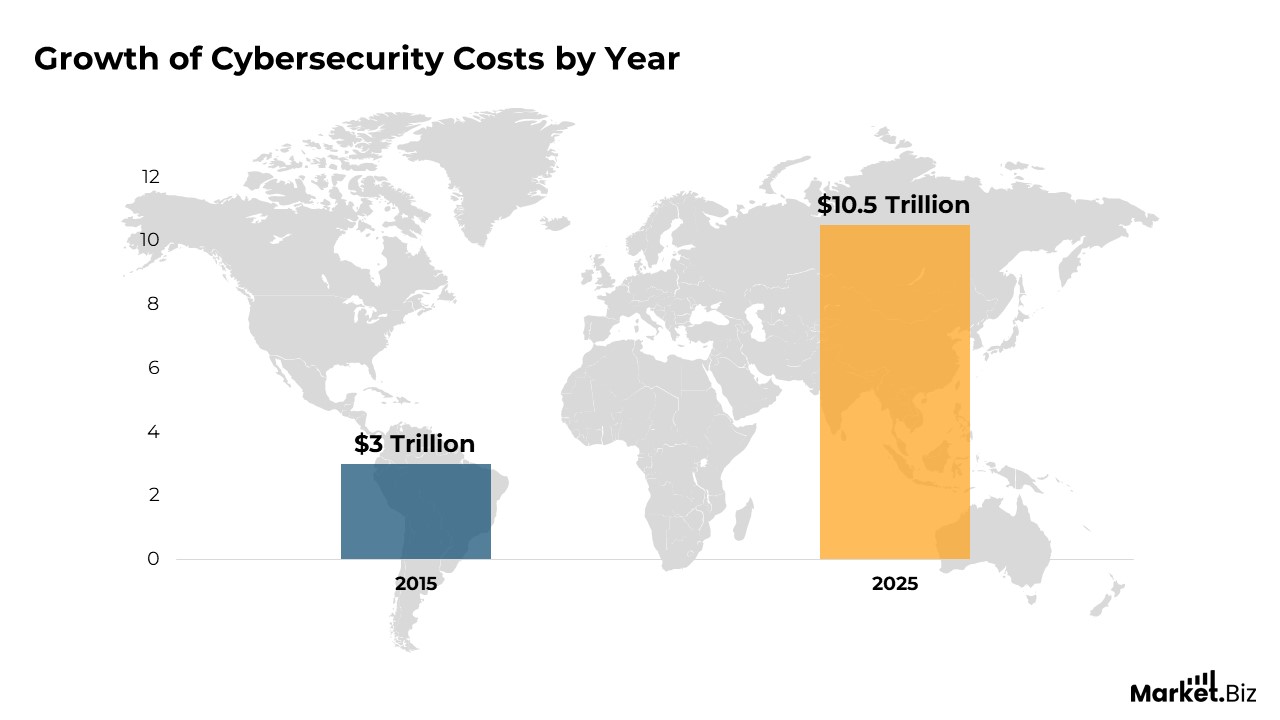
As remote work becomes more prevalent, 61% of remote workers report using unsecured devices, further increasing security risks. With cybercrime projected to cost businesses $10.5 trillion annually in 2025, investing in robust cybersecurity measures has never been more vital for organizational resilience and data protection.
Editor’s Choice
- The average cost of a data breach in 2023 was $4.45 million, a significant financial risk for businesses.
- 83% of organizations experienced phishing attacks in 2023, highlighting the need for robust security awareness programs.
- Ransomware attacks have surged by 150% since 2020, with 37% of businesses affected in 2023.
- 61% of remote workers use unsecured devices, raising the risk of cybersecurity incidents in the workplace.
- 94% of enterprises use cloud services, but 47% are concerned about cloud data security.
- Over 3.5 million cybersecurity jobs remain unfilled globally, creating challenges for businesses in securing their networks.
- Ransomware attacks caused $20 billion in damages in 2023, underlining the financial impact of these cyber threats.
- Cybersecurity insurance premiums rose by 60% in 2023, reflecting the increased frequency of cyberattacks.
- Small businesses are 43% more likely to be targeted by cybercriminals than larger organizations.
- The global cybersecurity market is projected to exceed $200 billion in 2024, with major investments in industries like finance and healthcare.
General Workplace Cybersecurity Statistics
- The average cost of a data breach in 2023 was $4.45 million, highlighting the significant financial risk organizations face from cyberattacks.
- 83% of organizations experienced phishing attempts in 2023, with 1 in 25 employees falling for these scams.
- 37% of companies reported a ransomware attack in 2023, often leading to operational disruption and financial losses.
- Companies with regular cybersecurity training see a 70% reduction in human error-related breaches.
- 61% of remote workers use unsecured devices, increasing the likelihood of cybersecurity incidents in the workplace.
- Small businesses are 43% more likely to be targeted by cybercriminals than larger enterprises.
- 75% of businesses experienced a mobile-related security breach, emphasizing the need for mobile device management solutions.
- Insider threats, both malicious and accidental, account for 60% of all data breaches in organizations.
- The global cybersecurity insurance market is expected to grow by 21% annually, as companies seek protection against rising cyber risks.
- 94% of enterprises use cloud services, but 47% of businesses report concerns about the security of cloud-stored data.
- Businesses using multi-factor authentication (MFA) see a 99.9% reduction in account compromise.
- Over 3.5 million cybersecurity jobs remain unfilled globally, making it challenging for businesses to find skilled professionals to combat cyber threats.
- Cybercrime is expected to cost the global economy $10.5 trillion annually in 2025, underscoring the growing need for workplace cybersecurity.
- 70% of cyberattacks go undetected for months, with the average time to identify a breach being 212 days.
- In 2024, global spending on cybersecurity is forecast to exceed $200 billion, with industries like finance and healthcare leading the way.
Cybersecurity Threats
- 83% of organizations reported experiencing phishing attacks in 2023, with 1 in 25 employees clicking on malicious links, compromising company data.
- Ransomware attacks have increased by 150% over the last two years, with 37% of businesses becoming victims, often resulting in significant operational downtime.
- Insider threats, whether malicious or unintentional, contribute to 60% of data breaches, with employees inadvertently compromising sensitive data.
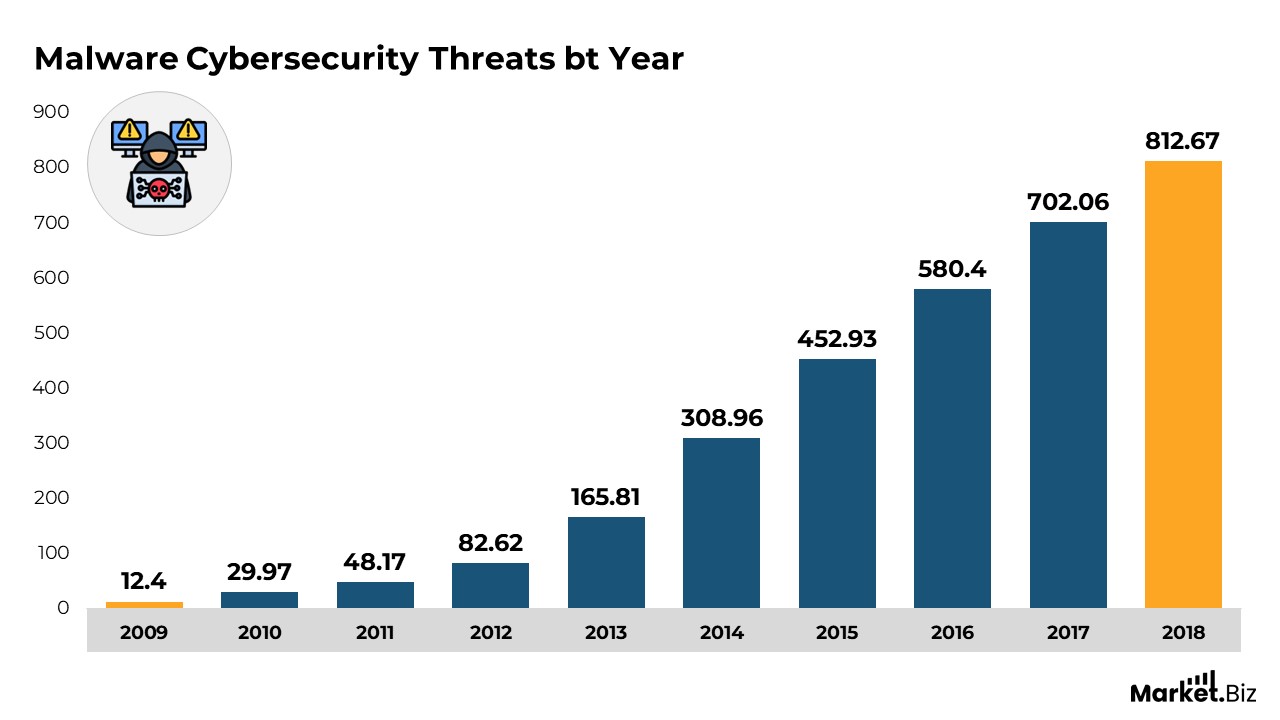
- Malware attacks have risen by 25%, with businesses reporting a 40% increase in infections that disrupt critical systems and steal valuable information.
- Over 65% of cyberattacks are attributed to stolen credentials, making employee password management crucial for cybersecurity in the workplace.
- 59% of cybersecurity breaches are linked to social engineering tactics like pretexting and baiting, often tricking employees into revealing sensitive data.
- DDoS attacks have become more frequent, with businesses seeing a 20% rise in these threats, which overload servers and disrupt services.
Moreover
- 61% of remote workers use personal, unsecured devices for work, making them highly vulnerable to malware and hacking attempts.
- 55% of organizations experienced data breaches due to vulnerabilities in third-party vendors, underlining the importance of managing external partnerships securely.
- Zero-day vulnerabilities are exploited in 60% of advanced cyberattacks, allowing attackers to infiltrate systems before patches can be deployed.
- 47% of businesses have faced security incidents due to misconfigurations in cloud storage, exposing sensitive data to external threats.
- 75% of businesses report experiencing mobile-related breaches, as smartphones and tablets are often used for sensitive work tasks without adequate protection.
- In 2023, there were over 1,000 reported data breaches, affecting millions of employees and customers and costing businesses billions in recovery and fines.
- The number of IoT-related security threats has increased by 30%, with insecure devices providing easy access points for cybercriminals into workplace networks.
- Spyware attacks grew by 22% in the past year, allowing cybercriminals to monitor and collect sensitive corporate data without detection.
(Source: purplesec, WP-Content)
Rise of Ransomware Attacks
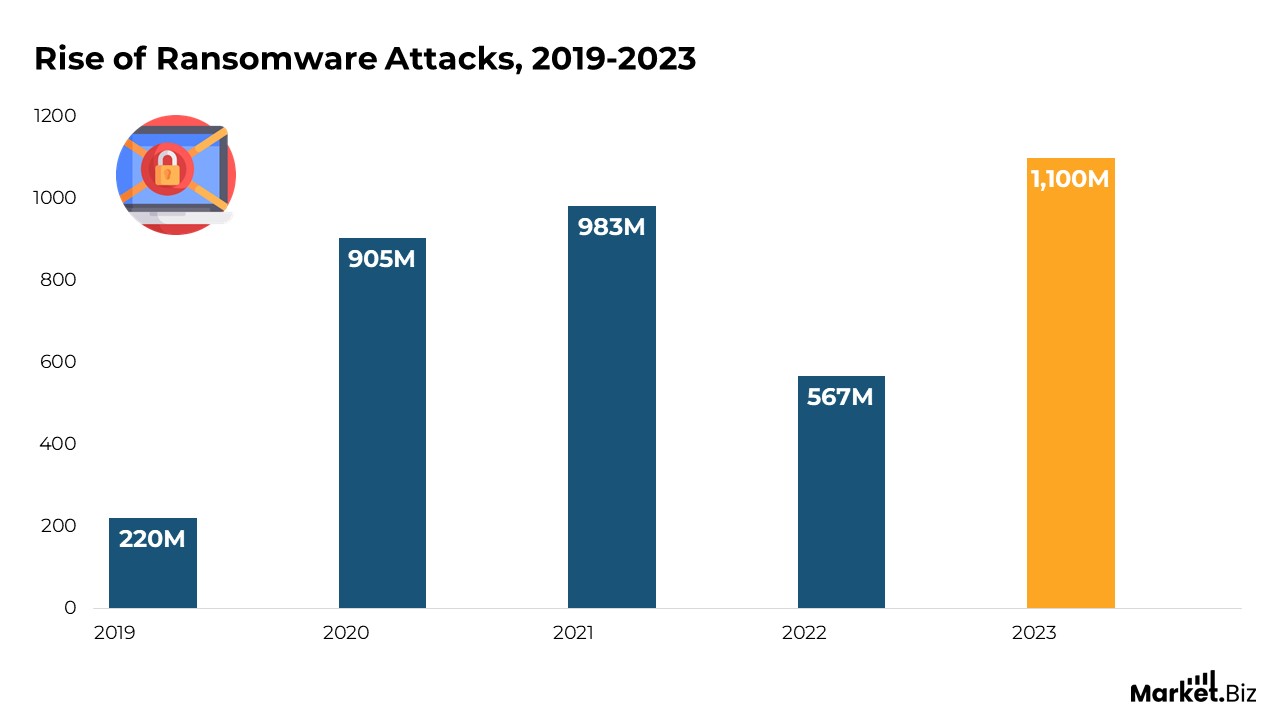
- Ransomware attacks increased by 150% from 2020 to 2023, with the total number of attacks reaching over 1,000 incidents per month globally.
- In 2023, ransomware attacks caused an estimated $20 billion in damages, highlighting the massive financial impact on organizations across all industries.
- The average ransom payment in 2023 rose to $250,000, with some large-scale attacks demanding ransoms exceeding $10 million.
- 37% of businesses reported being targeted by ransomware in 2023, with a majority of attacks aimed at healthcare, finance, and manufacturing sectors.
- Ransomware-as-a-Service (RaaS) has contributed to the rise in attacks, enabling even less-skilled cybercriminals to launch sophisticated campaigns.
- The number of double extortion ransomware attacks, where both data encryption and theft are involved, rose by 50% in 2023.
- 68% of organizations that paid a ransom were still targeted by attackers again, indicating that paying the ransom does not guarantee future protection.
- Healthcare organizations are particularly vulnerable, with 1 in 5 healthcare providers experiencing a ransomware attack, compromising patient care and safety.
- The rise of remote work has been a significant factor, with 61% of remote workers reporting a rise in ransomware attempts targeting their devices.
- Ransomware attacks have become more targeted, with 55% of attackers specifically focusing on high-value data, including intellectual property and financial records.
- Government and public sector entities were the most common targets for ransomware in 2023, with 40% of attacks aimed at these sectors.
- The recovery from a ransomware attack now takes, on average, 287 days, costing companies not only financially but in terms of lost productivity and reputational damage.
(Source: Chainalysis, WP-Content)
Employee Cybersecurity Training
- Companies that implement regular employee cybersecurity training experience a 70% reduction in security breaches caused by human error.
- 90% of cyberattacks are caused by human error, making cybersecurity training for employees a critical part of any organization’s defense strategy.
- Organizations with ongoing training programs report a 50% decrease in phishing attack success rates compared to those without training.
- 95% of cybersecurity incidents are linked to employees’ actions, highlighting the importance of proactive education and awareness campaigns.
- Employees who undergo cybersecurity training are 40% more likely to recognize and report phishing emails, reducing the risk of data breaches.
- 88% of companies have reported an improvement in their overall cybersecurity posture after introducing mandatory employee training programs.
- 60% of businesses with under 100 employees do not provide cybersecurity training, leaving them more vulnerable to attacks such as phishing and ransomware.
- Cybersecurity training can lead to a 30% increase in employees’ ability to detect social engineering attacks like pretexting or baiting.
- 70% of employees feel more confident in their ability to handle cybersecurity threats after completing regular training, boosting overall workplace security.
- The average cost of a data breach is reduced by 30% when employees are well-trained to prevent and respond to security incidents.
- Interactive training programs, including simulated phishing exercises, result in a 75% improvement in employee response to cyber threats.
- 68% of organizations are now prioritizing cybersecurity training as a key part of their workforce development, reflecting the growing recognition of human-centric security risks.
Cost of Data Breaches in the Workplace
- The average cost of a data breach in 2023 was $4.45 million, representing a 2.3% increase from the previous year, with financial and reputational damage as major factors.
- Small businesses are particularly vulnerable, with 60% of them going out of business within six months following a data breach due to the financial impact.
- The cost per stolen record in a data breach averages $150, with healthcare organizations facing the highest cost per record at $500.
- 43% of businesses report direct costs of legal fees, regulatory fines, and settlements as a result of data breaches, which can total millions of dollars.
- The average time to detect and contain a data breach is 212 days, resulting in extended exposure and higher costs, especially for larger organizations.
- 30% of the total costs related to a data breach are attributed to the loss of customers, as 59% of consumers stop doing business with companies after a breach.
- The reputational damage from a data breach can result in up to a 20% drop in stock value for publicly traded companies in the weeks following an attack.
- Cybersecurity insurance claims for data breaches have increased by 35%, with businesses paying out an average of $1.2 million per claim.
- The financial impact of a data breach includes costs for response teams, communication efforts, and crisis management, which often exceeds $1 million for large companies.
- 25% of organizations reported that they needed to invest in new cybersecurity technologies following a breach, with an average expenditure of $800,000 for such upgrades.
- 60% of companies suffer a significant decline in employee productivity as systems are restored post-breach, further contributing to the overall costs.
- In the public sector, the cost of a data breach averages $5.9 million, with government organizations facing higher costs due to increased regulatory scrutiny and compliance issues.
Cybersecurity Spending Across Industries
- Global spending on cybersecurity is expected to exceed $200 billion in 2026, driven by rising threats across all sectors, particularly in finance and healthcare.
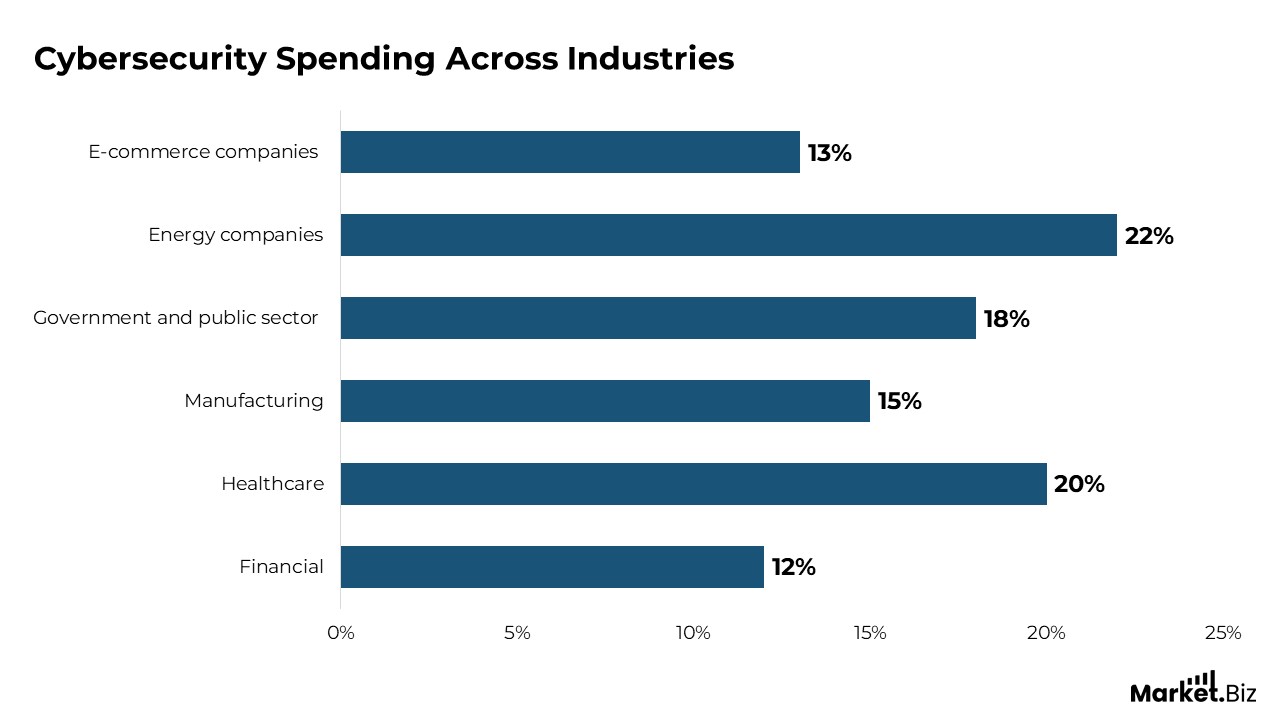
- The financial services industry allocates an average of 12% of its IT budget to cybersecurity, recognizing the high risk of cyberattacks and fraud in this sector.
- In healthcare, cybersecurity spending has increased by 20% annually, with hospitals and clinics facing a rising number of ransomware attacks targeting patient data.
- The manufacturing sector has ramped up its cybersecurity budget by 15% in the past two years, focusing on securing operational technology (OT) and industrial control systems.
- Retailers are projected to spend over $14 billion on cybersecurity in 2024, largely due to the growing threats to customer payment data and e-commerce systems.
- The government and public sector industries have seen cybersecurity budgets grow by 18% year-over-year, driven by national security concerns and increasing cyber espionage risks.
- Energy companies, particularly in oil, gas, and utilities, are expected to increase their cybersecurity budgets by 22% in 2025 to defend against targeted cyberattacks on critical infrastructure.
- In the education sector, cybersecurity spending is projected to reach $4.5 billion in 2024, as schools and universities face a surge in cyberattacks and student data breaches.
- The tech industry, which is both a target and provider of cybersecurity solutions, spends more than $50 billion annually on cybersecurity, representing the largest single sector expenditure.
- E-commerce companies have seen a 13% increase in cybersecurity spending over the past two years, prioritizing the protection of online transactions, payment systems, and customer data.
Cybersecurity Skills Gap
- The global cybersecurity workforce shortage is projected to reach 3.5 million unfilled positions in 2025, significantly hindering organizations’ ability to defend against cyber threats.
- 70% of organizations report difficulty in hiring skilled cybersecurity professionals, with the most critical shortage in areas like threat intelligence and incident response.
- Over 60% of cybersecurity professionals feel their teams are understaffed, leading to increased stress, burnout, and a higher risk of oversight in security protocols.
- The average time to fill a cybersecurity job is 6 months, significantly longer than the 2-3 months required for other IT roles, due to the specialized skill set required.
- Only 27% of cybersecurity job applicants are deemed qualified, indicating a severe mismatch between available talent and industry needs.
- 51% of businesses are increasing their cybersecurity budget to address the skills gap, investing in training programs, certifications, and recruitment to fill the void.
- The shortage of cybersecurity professionals has led to higher salaries in the field, with some roles offering salaries up to 30% higher than other IT positions.
- The lack of cybersecurity talent is most severe in regions such as North America and Europe, where demand is high but supply of qualified candidates remains low.
- 41% of organizations are focusing on internal cybersecurity upskilling to bridge the gap, with 60% of cybersecurity professionals pursuing continuous learning and certifications.
- The gap in cybersecurity talent is expected to worsen as the digital transformation accelerates, with the increasing number of cyberattacks and greater reliance on cloud, IoT, and AI technologies.
Role of AI in Cybersecurity
- AI-driven solutions reduce cyberattack detection time by 60%, enabling faster responses and minimizing breach impact.
- 55% of organizations use AI for threat detection, effectively mitigating emerging threats in real time.
- AI can analyze data and flag threats 10 times faster than humans, improving security operations’ efficiency.
- 30% of security teams rely on AI and machine learning to detect zero-day attacks and unknown vulnerabilities.
- AI automation tools are expected to save organizations $1 trillion annually by 2025, improving efficiency and reducing manual work.
- 60% of cyberattacks are now AI-driven, prompting cybersecurity professionals to adopt AI defenses.
- AI automates routine tasks like threat hunting and incident response, freeing up skilled professionals for complex issues.
- The AI-powered cybersecurity market is expected to reach $38.2 billion by 2027, highlighting growing demand.
- AI helps reduce human error by detecting and responding to threats based on data-driven insights.
- AI can predict and prevent up to 95% of cyberattacks before they occur, enhancing defenses and reducing breach costs.
Cybersecurity Insurance Trends
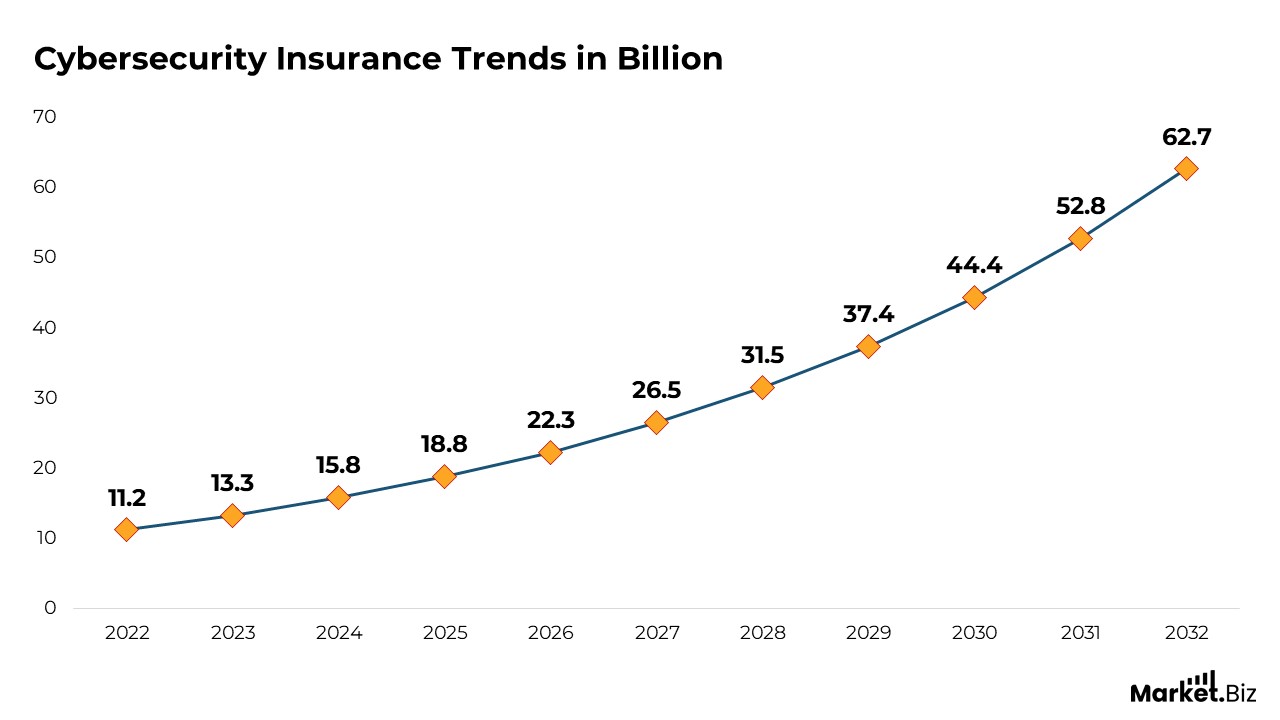
- The global cybersecurity insurance market is expected to grow at a compound annual growth rate (CAGR) of 21% from 2024 to 2030, driven by increasing cyber threats.
- 60% of businesses with cybersecurity insurance reported a rise in premiums in 2023, as insurers adjust rates due to the growing frequency of data breaches and ransomware attacks.
- 70% of small and medium-sized enterprises (SMEs) are now seeking cybersecurity insurance, recognizing its importance in mitigating cyberattack risks and financial losses.
- Ransomware coverage is now a standard in 85% of cyber insurance policies, reflecting the growing concern over these high-cost attacks.
- 45% of cybersecurity insurance claims in 2023 were related to ransomware attacks, pushing insurers to reconsider coverage limits and exclusions.
- Insurers are increasingly requiring organizations to adopt stronger cybersecurity measures, such as multi-factor authentication (MFA) and encryption, before issuing policies.
- Cybersecurity insurance providers are incorporating more stringent requirements for risk assessments, with 50% of businesses being asked to undergo security audits before coverage is granted.
- 35% of organizations report difficulty in obtaining cybersecurity insurance, particularly in high-risk industries like healthcare and finance, due to rising premiums and stringent underwriting criteria.
- The average cost of a cybersecurity insurance policy in 2023 was $1,500 to $3,000 annually for small businesses, with premiums increasing as cyber risks evolve.
- 80% of cyber insurers are integrating AI and machine learning to better assess risks, detect fraud, and predict potential claims based on emerging cyber trends.
(Source: Shortpixel)
Challenges in Workplace Cybersecurity
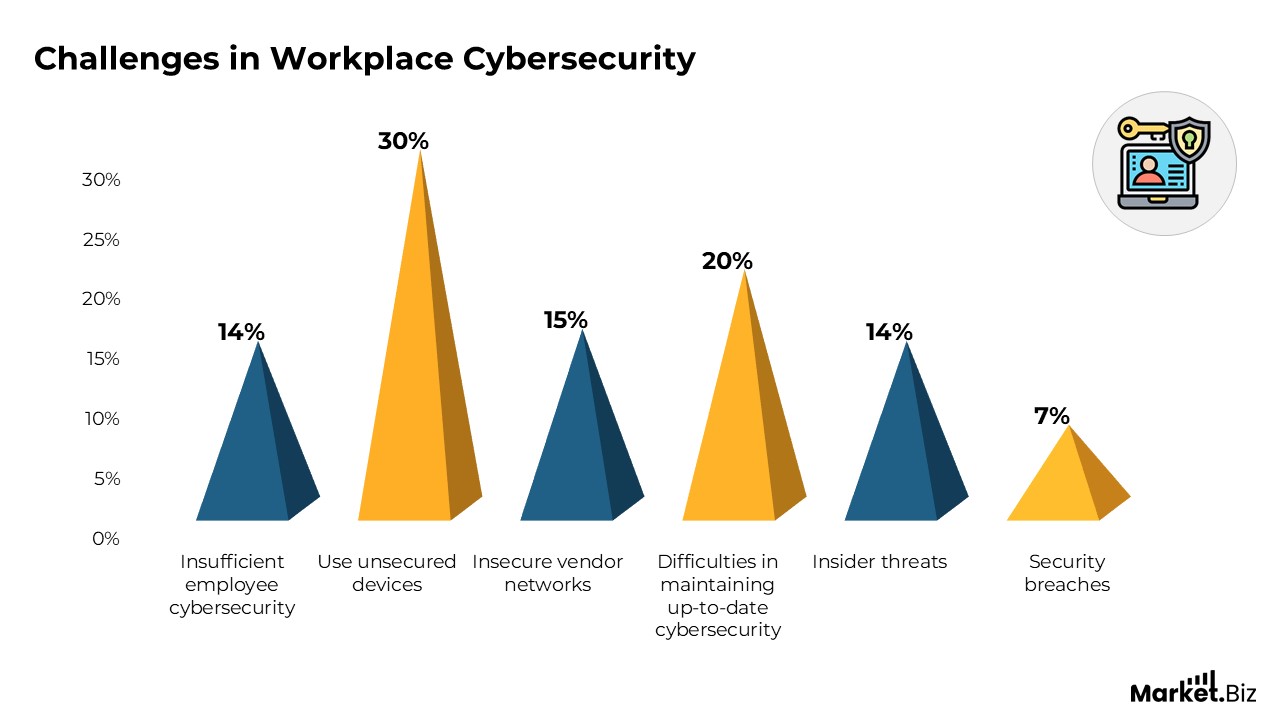
- 64% of organizations report that insufficient employee cybersecurity awareness is a major challenge, leading to increased vulnerability to phishing and social engineering attacks.
- The rise of remote work has created a 30% increase in cybersecurity incidents, as employees use unsecured devices and networks to access company systems.
- 45% of organizations struggle with managing third-party vendor risks, with cybersecurity breaches often originating from insecure vendor networks.
- 70% of businesses face difficulties in maintaining up-to-date cybersecurity tools and software, leaving them exposed to vulnerabilities from outdated systems.
- Insider threats, both accidental and malicious, account for 60% of data breaches, highlighting the challenge of securing sensitive data from employees and contractors.
- 57% of organizations lack a comprehensive incident response plan, causing delays in addressing security breaches and increasing recovery costs.
- The shortage of skilled cybersecurity professionals, with an estimated 3.5 million unfilled positions globally, makes it difficult for organizations to build strong defense teams.
- The increasing complexity of cyberattacks, including multi-stage and AI-driven threats, has made it harder for traditional cybersecurity measures to keep pace.
- 65% of companies report that managing mobile device security is a growing concern, as employees access corporate data from personal and insecure mobile devices.
- Over 50% of businesses face challenges in integrating cybersecurity measures with existing IT systems, leading to gaps in protection and inefficiencies in response.
Future of Workplace Cybersecurity
- By 2027, the global workplace cybersecurity market is expected to reach $43.6 billion, driven by increasing adoption of advanced threat detection systems and AI technologies.
- The integration of AI and machine learning in cybersecurity will automate 80% of threat detection and response, reducing human error and accelerating incident resolution.
- 72% of organizations plan to implement Zero Trust Architecture by 2025 to strengthen internal defenses and minimize the risk of data breaches from compromised credentials.
- The rise of remote and hybrid work models is expected to increase the demand for secure endpoint solutions, with a 35% growth in the endpoint protection market by 2026.
- Cloud security spending will surpass $50 billion in 2025, as businesses shift to cloud environments and require more robust protections against data leaks and cyberattacks.
- 60% of companies will integrate behavioral analytics into their cybersecurity strategies by 2026, enabling more accurate detection of anomalies and insider threats.
- The need for continuous employee cybersecurity training will grow, with 80% of organizations planning to invest in ongoing training programs to reduce human error-related breaches.
- As cyberattacks grow more sophisticated, the use of quantum encryption for securing sensitive data is expected to become mainstream by 2030, providing unbreakable protection.
Conclusion
Workplace cybersecurity remains a top priority for organizations globally as cyber threats continue to evolve. The high cost of data breaches and the projected rise in cybercrime underlines the importance of prioritizing robust cybersecurity measures. The increase in ransomware attacks, phishing incidents, and insider threats highlights the growing risks to organizational data.
Additionally, the cybersecurity skills gap emphasizes the urgent need for skilled professionals to address these challenges. As industries boost their cybersecurity investments, the integration of AI, cloud security, and ongoing employee training will play a crucial role in mitigating these threats and ensuring business resilience.
FAQ’s
The average cost of a data breach in the workplace reached $4.45 million in 2023, with financial and reputational damage being significant factors.
In 2023, 83% of organizations experienced phishing attempts, with 1 in 25 employees falling victim to these scams, making phishing a major cybersecurity threat.
A significant 61% of remote workers report using unsecured devices, increasing the likelihood of cybersecurity breaches in the workplace.
Over 3.5 million cybersecurity jobs are unfilled globally, which contributes to the ongoing challenges of securing workplace environments against cyber threats.
Companies that implement regular cybersecurity training see a 70% reduction in breaches caused by human error, highlighting the importance of employee awareness in reducing risks.