









Introduction
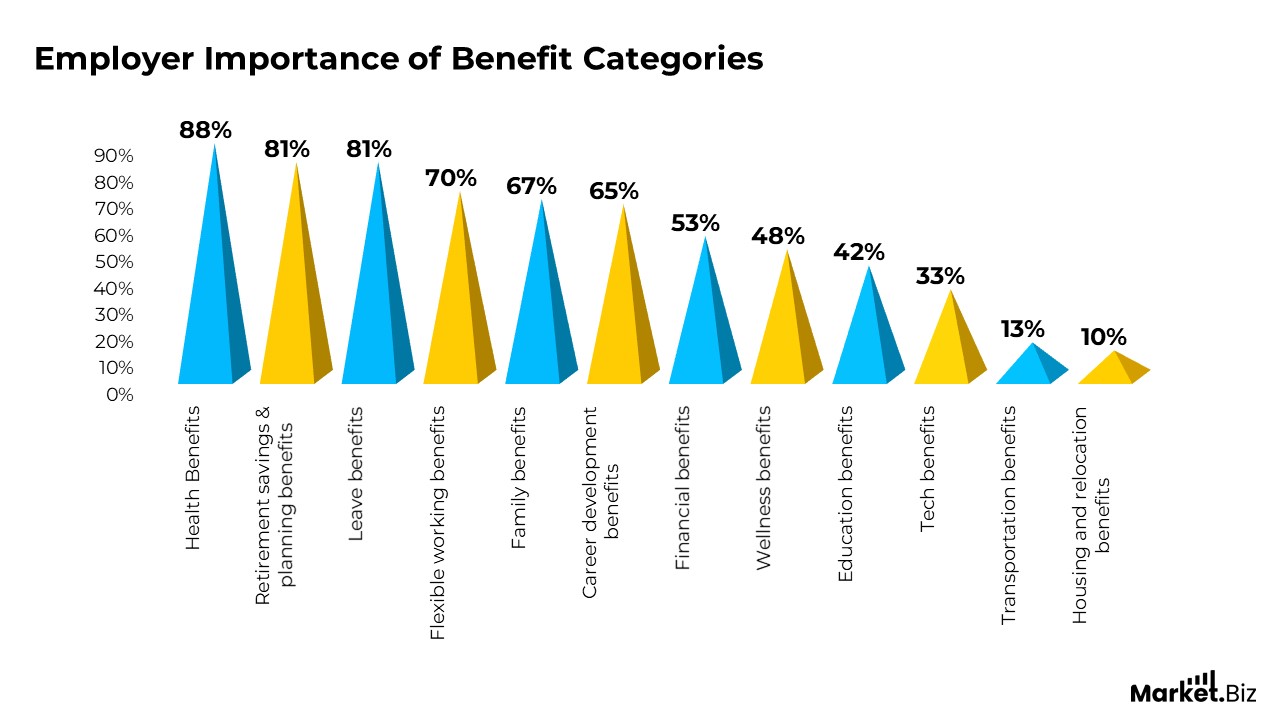
Employee Benefit Preferences Statistics: In the current competitive work environment, knowing employee priorities with respect to employee benefits can help employers engage employees and obtain better attraction/retention with top talent. The 2024 SHRM Employee Benefits Survey shows that a large segment of employees now consider healthcare benefits as “very important” or “extremely important,” at 88%. Healthcare benefits continue to be a “cornerstone” of employee satisfaction.
Not far behind is flexible work. The same survey indicates that 70% of employees consider flexible work as important to them, which is a reflection of the consequences of the growing need for work-life balance. On the heels of flexible work are family care benefits at 67%, and family care benefits do support traditional caregiving responsibilities.
Professional career development opportunities are also high at 65%, all of which suggests that employees are looking for engagement in their roles. These finding support the need for employers to offer a richer, more flexible employee benefit offering that aligns with their employee’s priorities.
Editor’s Choice
- 81% of employers classified leave benefits as either “most important” or important.”
- 17% of employers provide menopause-related benefits such as counselling and education.
- Employees that feel their employer demonstrates care are estimated to be 20% more productive.
- 46% of employees would decrease to a job with better mental health support even a few dollars more.
- 63% of organisations offered FSAs, giving employees the option to put money in pre-tax to cover medical expenses.
- The tech industry is ahead of all sectors, as 80% of their positions are now hybrid or fully remote.
- 70% of organisations offer vision insurance, which helps employees with eye exams and glasses.
- Per insurance is on the rise as well, about 15% of employers offer coverage, so pet owners can own.
- 52% of baby boomers reported that 401(K) plans are very important.
- 13% would prefer the employer-funded family care or eldercare supports instead of pay increases.
- Remote work has decreased time spent commuting by 72 minutes per day, on average.
- Remote workers may be 20 to 25 percent more productive than employees working onsite.
- A remote worker can save anywhere from $700 to $7,000 each year.
General Employee Benefit Preferences Statistics
- 88% of employer’s classified health related benefits as either “very important” or extremely important” for their workforce.
- 81% of employers classified retirement savings and planning benefits as either “most important” or “important” to their employees.
- 81% of employers classified leave benefits as either “most important” or important.”
- 70% of employers classified flexible working benefits as either “very important” or “extremely important.”
- 67% of employers classified family care benefits as either “very important” or extremely important.”
- 65% of employers classified professional, career development as either “very important” or “extremely important.”
- 91% of organisations offered telemedicine or telehealth benefits to their workers.
- 90% of employers offered some type of mental health coverage benefit.
- 99% of employers provided dental insurance benefits to their employee base.
- 96% of employers provided vision insurance benefits to their employee base.
- 60% of employers offered health savings accounts to their employees.
- 63% of employers offered flexible spending accounts.
- 40% of employers offered paid parental leave.
- 46% of employers offered floating holidays as leave benefits.
- 36% of employers provided bereavement leave for pregnancy loss due to miscarriage, failed surrogacy or failed adoption.
- 17% of employers provide menopause-related benefits such as counselling and education.
- 14% of employers offer elder care referral services, which is up from 10% in 2022.
(Source: Shrm, Topics-Tools)
Importance of Employee Benefits
- 70% of workers care about flexible work options.
- 81% consider leave benefits (vacation, sick, parental) to be very important.
- 88% of employees describe health benefits as being “very” or “extremely” important to them.
- 81% who consider retirement saving or planning a benefit, rated it very highly.
- 67% of workers rate family care (child/eldercare) benefits as either very important.
- 65% of workers also view professional growth and benefits as important too.
- 77% of all US workers report an increase in stress due to health costs.
- 68% of workers report facing economic uncertainty as their #1 source of stress in the workplace.
- The US workforce saw productivity drop by 5% for both economic uncertainty and health concerns.
- Employee engagement also dropped, by 7% for the same reasons.
- 53% of employees who use the voluntary benefits feel holistically well compared to 44% of employees based on those just offered.
- Employees that feel their employer demonstrates care are estimated to be 20% more productive.
- 90% of employers now offer mental health benefits compared to 84% in 2019.
- 63% of workers grow their wellbeing from better mental health support.
- 46% of employees would decrease to a job with better mental health support even a few dollars more.
- Time off from work for mental health reasons is up 300% from 2017 to 2023.
- 1 in 5 employers now offer additional mental health days beyond general sick leave.
Employee Benefits by Industry
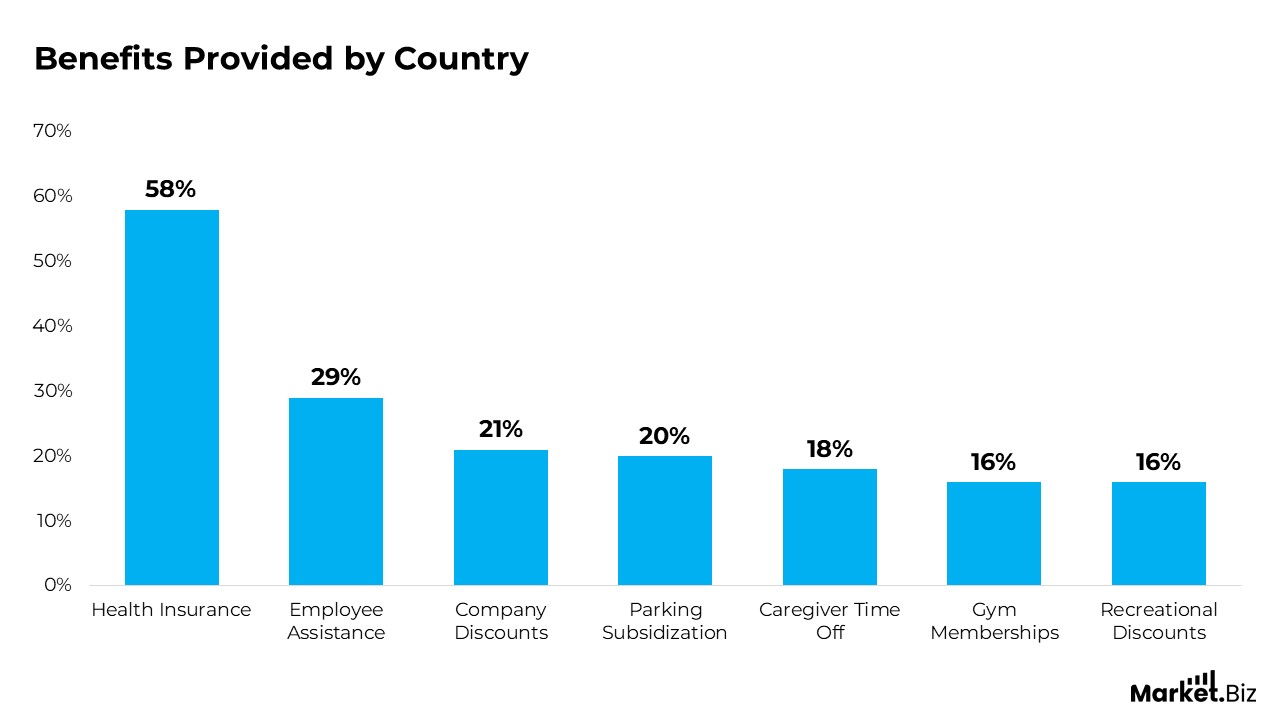
- 97% of organisations provide some level of health plan coverage, and 82% of those organisations provide PPO plans.
- 90% of organisations provide some form of mental health coverage, recognising it as a component of employee wellbeing.
- 91% of organisations offer telemedicine or telehealth benefits to provide more accessibility to health care.
- 63% of organisations offered FSAs, giving employees the option to put money in pre-tax to cover medical expenses.
- 60% of organisations had HSAs, encouraging employees to save for future medical expenses.
- 70% of employers find flexible work to be very important or extremely important.
- 100% of organisations have hybrid work options or arrangements where employees work from home and the office.
- 65% of employers are committed to developing career development, training, and growth as part of their program offerings.
- 40% of organisations are giving paid parental leave in the recognition of work-life balance.
- 17% of employers give support, i.e. counselling and education, for menopause related issues.
- The tech industry is ahead of all sectors, as 80% of their positions are now hybrid or fully remote.
- In professional services, 75% of positions are hybrid or remote, providing another workplace with flexibility to achieve work-life balance and overall worker wellness.
(Source: Flair)
Type of Employee Benefit
- More than half of organisations now offer health savings accounts (HSAs) that allow employees to save pre-tax dollars to be used for medical expenses.
- Approximately 78% of employers offer dental coverage because they are aware dental health plays a vital role in overall health.
- 70% of organisations offer vision insurance, which helps employees with eye exams and glasses.
- 82% of employers provided life insurance so those employees have some financial security for their loved ones.
- After all, 76% of employers offer short and long-term disability insurance, this benefit’s a safety net for an employee’s income in the event of an injury or illness.
- Approximately 60% of organisations provide some type of tuition assistance for employees who wish to further their education.
- About 70% of employers have some wellness initiative, gym memberships, and health coaching, to support employee health.
- 68% percent of employers provide EAPs for short term counselling and support.
- About 45% of employers provide commuter benefits like transit passes, parking, etc.
- More than 55% of employers provide discounts on products or services as an additional perk.
- By age, almost 30% provide childcare assistance; on-site childcare centers, direct childcare subsidies.
- Per insurance is on the rise as well, about 15% of employers offer coverage, so pet owners can own.
- About 40% of organisations offer financial planning or counselling to support employees with money matters.
- 15% of employers still provide legal assistance plans for their employees to help cover their general, personal legal needs.
- About 25% of employers also offer paid volunteer days off for their employees, providing a way to be involved within their communities.
(Source: Flair)
Employee Benefit Demographic
Age-Based Benefit Preference
- Baby Boomers (Born 1946-1964)
- 52% of baby boomers reported that 401(K) plans are very important.
- 27% of baby boomers reported that childcare reimbursement was very important.
- 25% of baby boomers reported that equity options were very important.
- 18% of baby boomers reported that a four-day workweek was very important.
- 8% of baby boomers reported that they were looking for a job for eldercare services.
- Gen X (Born 1965-1980)
- 34% of Generation X prioritized 401(K).
- 22% of Generation X valued children’s reimbursement.
- 22% of Generation X wanted equity options.
- 22% of Generation X valued a four-day workweek.
- 15% of Generation X wanted paid mental health days.
- Millennials (Born 1981-1996)
- 33% of millennials valued childcare reimbursement.
- 29% of millennials prioritized 401(K) plans.
- 27% of millennials wanted equity options.
- 17% of millennials valued eldercare services.
- 23% of millennials valued family planning support.
- Gen Z (Born 1997-2012)
- 36% of Gen Z valued childcare reimbursement.
- 31% of Gen Z wanted an equity option.
- 29% of Gen Z prioritized 401K.
- 23% of Gen Z valued family planning support.
- 19% of Gen Z wanted pet insurance.
Gender Based Benefit Preferences
- 88% of employers say the healthcare benefits are “extremely important” or “very important” to their employees.
- 70% of employers consider flexible work arrangements to be “extremely important” or “very important”.
- 67% of employers state family care benefits are “very important” or “extremely important”.
- 17% of employers provide menopause-related support (i.e., counselling/education).
Caregiving Responsibilities and Benefit Preferences
- 14 percent of companies offer elder-care referral services, up from ten percent in 2022.
- 8 percent offer access to elder-care services and information, up from 7 percent.
- 2 percent provide subsidies for elder or adult-dependent care to employees.
- Employers such as travellers are giving employees flexible schedules, remote work, and paid time off to help employees care for someone.
- One-quarter of employees over 55 said caregiving affected their ability to perform at their best at work all or most of the time.
Extra Benefits preferred over Pay Risks
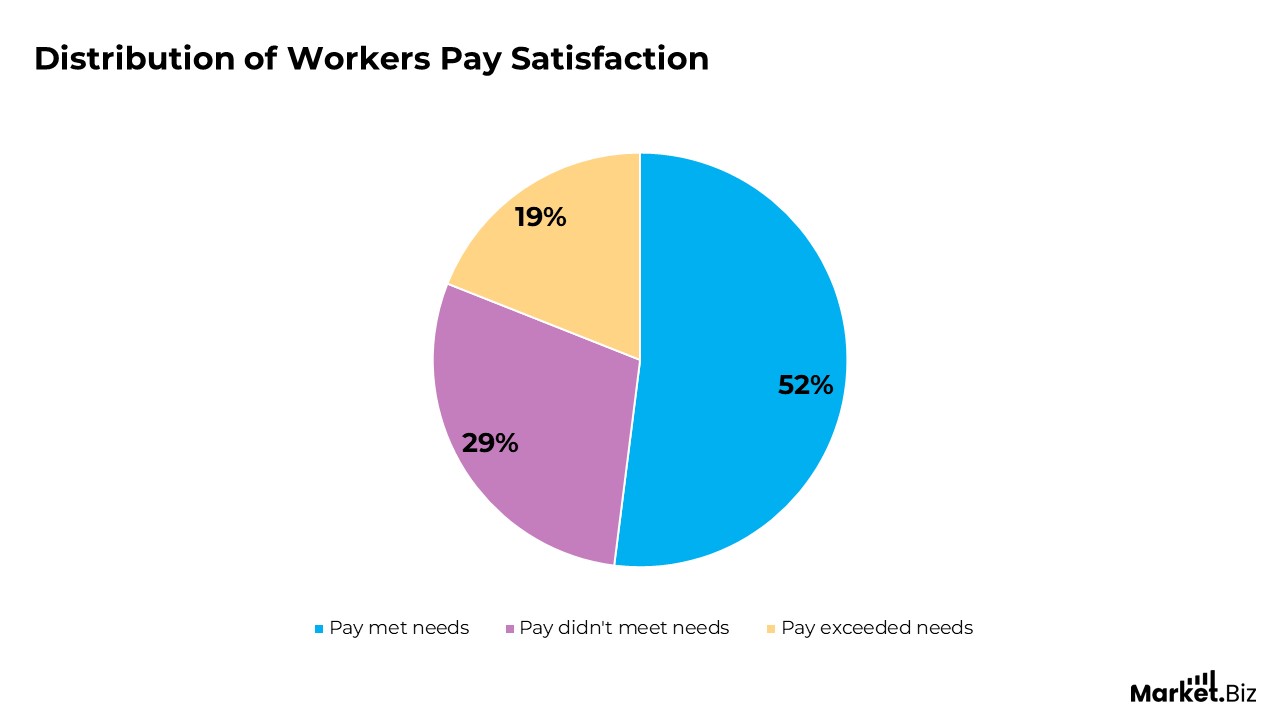
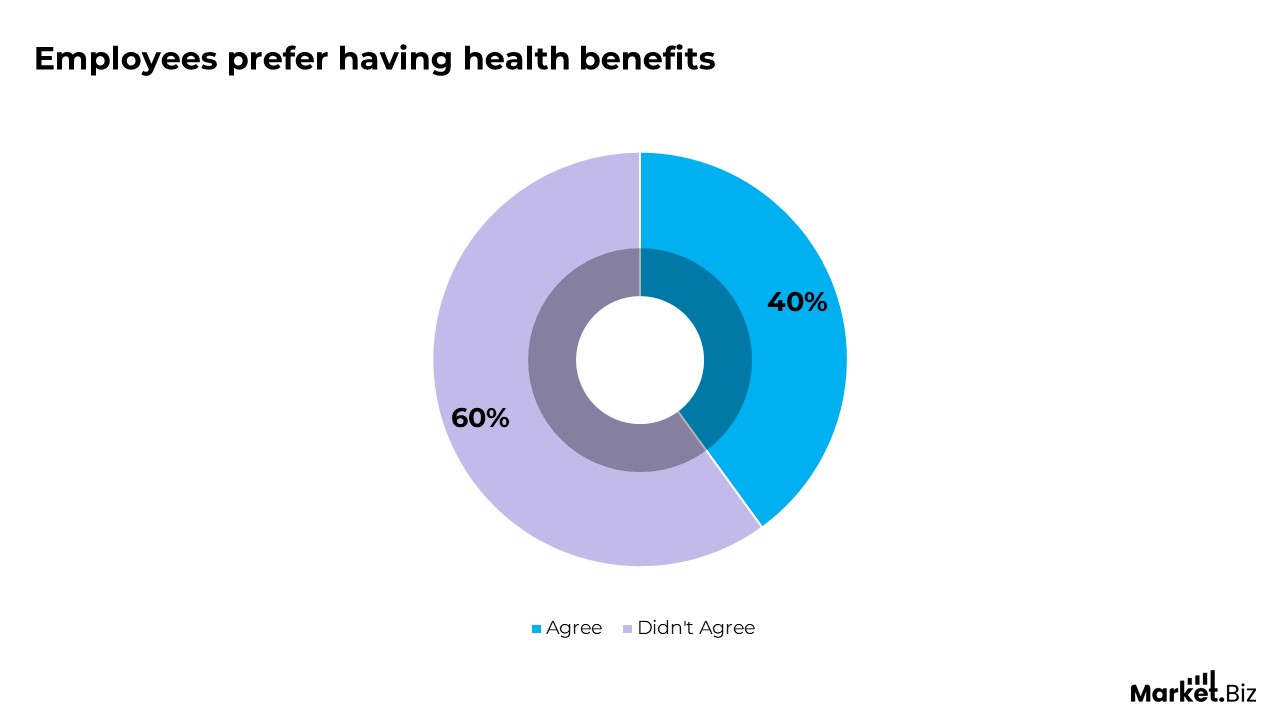
- 40% of employees prefer having health benefits instead of an increase in salary.
- 37% of employees prefer vacation days instead of increases in salary.
- 35% of employees prefer bonuses instead of an increase in salary.
- 32% of employees prefer paid sick leave instead of an increase in pay.
- 31% of employees would like 401K and pension contributions instead of an increase in salary.
- 30% of employees would like flexibility with working hours instead of an increase in pay.
- 19% of employees would prefer perks life free lunches, casual clothing instead of an increase in pay.
- 19% of employees prefer training programs offered on the job instead of an increase in pay.
- 18% of employee prefer employer-funded education towards their tuition instead of an annual pay raise.
- 17% of employees prefer discounts on products and services instead of an increase in salary.
- 16% of employees would take a membership to a gym or other wellbeing initiatives instead of taking an increase in salary.
- 16% of employees would like employee stock options or other equity options instead of an increase in salary.
- 13% would take paid parental leave in lieu of an increase in their salary.
- 13% would prefer the employer funded family care or eldercare supports instead of pay increases.
- 9% would take help with commuting rather than pay increases.
Employee Benefit on Remote Work
Work Life Balance
- 71% of remote workers say it’s important for sustaining their work-life balance.
- 86% say remote work has improved their relationships with their family and friends.
- Remote work has decreased time spent commuting by 72 minutes per day, on average.
- 75% of remote workers feel that their work-life balance improved without a commute.
- 78% of teleworkers cite decreased stress as a primary benefit.
- Remote work means better food choices due to less anxiety and depression.
- Remote workers are 24% more likely to be happy compared to on-site employees.
- 91% of those working in the U.S. like working remotely because of improved work-life balance.
- Remote work allows employees the opportunity to spend more time with family and friends, exercise, and rest.
- Remote workers use an average of 65% fewer sick days than their colleagues who physically work in an office due to working in a healthier environment.
- Flexible working hours allow remote workers to run errands or schedule appointments without sacrificing a whole day.
- Remote workers are able to resume work faster after surgery or other medical issues.
Productivity
- 65% of employees say their productivity peaked when working from home.
- Remote work increases employee productivity between 20 and 30%.
- 77% of remote workers said they were only productive when working from home.
- By working in an environment that gave them more comfort and quiet, remote workers productivity increased 13%.
- Remote work remains productive because of fewer interruptions, and distractions.
- Remote workers may be 20 to 25 percent more productive than employees working onsite.
- 83% of employers reported they have had a successful shift to remote work for their company.
- Remote work provides better business results. 85% of businesses implemented flexible work locations and believe it brought more productivity.
- Remote work employee’s turnover was reduced by 25%.
- Remote workers are 24% more satisfied as employees.
- Remote work reduced employee quit rates by 35%.
- Remote workers took 65% fewer sick calls because, on days they felt sick, their employers understood if they still worked from home.
Cost Savings
- A remote worker can save anywhere from $700 to $7,000 each year.
- Remote workers see an average additional savings of $4,000 a year when commuting costs, and other simple related expenses are eliminated.
- Employers can potentially save each employee $11,000 a year by providing employees with the flexibility of remote work.
- The total real estate cost savings of each remote worker is $10,000 per year on average.
- Remote work reduces unscheduled absences which can create a noticeable expense for employers.
- When a remote worker is sick, they still work, which cuts productivity losses.
- Remote work provides quick scale ups or scale backs, providing a useful option of reducing employment redundancies.
- There are cost savings of not employing extra “just in case” people, so it helps what is actually productive.
- Remote work can contribute to a 50% global reduction in carbon emission produced from commuting.
- Remote work has virtually reduces carbon emissions on an estimate of 54 million tons per year from commuting every single year since 2020 across the US.
- Remote work helps protect the environment and limit greenhouse gases equivalent to removing millions of cars from the road, each year.
- Remote work greatly reduces the amount of commuting altogether which accounts for 28% of greenhouse gas emissions within the US.
Employee Benefit on Retirement
Contribution Plans
- 94% of employers have a traditional 401(k) or a similar type of plan.
- 84% of these employers offer a matching contribution equal to an average of 6.61% of salary.
- 73% of employers offer Roth 401(k) plans, with 75% offering an average match equal to 6.50%.
- 52% of employers take the initiative to enrol new employees automatically into the retirement plan.
- 27% of employers use the same tactic with the employees’ 401(k) contributions and automatically increment employees’ contribution amounts over time.
- 67% of private industry workers had access to defined contribution plans in 2023.
- 49% of private industry workers participated in defined contribution plans in 2023.
- In the financial activities sector, 87% of workers had access to defined contribution plans, and 76% participated.
- In the information sector, 83% of workers had access to defined contribution plans, and 75% participated.
- In manufacturing, 82% of workers had access to defined contribution plans, and 67% participated.
Benefit Plans
- Only 15 percent of private industry workers had access to defined benefit plans in 2023.
- For these workers, participation was at 11 percent.
- In the financial activities job sector, 33 percent had access, white 19 were participants.
- In the information sector, 22 percent had access and 20 percent participated.
- In manufacturing, 21 percent had access and 15 were participants.
- In trade, transportation, and utilities, 18 percent reported having access, and 14 were participants.
- Education and health services were at 14 percent access and 11 percent participants.
- In construction, they were at 14 percent access and 14 percent participation.
- Professional and business services reported 10 percent access and 6 percent participation.
- In leisure and hospitality, access to benefit plans was at 1 percent access and 1 percent participation.
Conclusion
In conclusion, the data on employee benefit preferences indicate that health insurance, flexible schedules, and retirement plans are the most valued benefits employees prefer. Paid time off and career advancement also were valued by some.
Consideration of the employee benefits offered by employers is important in maintaining the fulfilment and reducing employee turnover. Offering better benefits means offering more flexibility and options for employees, which can have a significant impact on their choice to work for a company and whether or not they stay with that company. Employers need to consider what employees want from their benefits and make modifications to their plans.
As long as employers pay attention to what employees want and need and modify their benefit plans often enough to be aware of employee benefit trends, it may put their agency in a position of strong competitiveness.
FAQ’s
The most desirable benefits for employees are health insurance, flexibility with work and time, and retirement plans in that order. All three of these employee benefits provide a significant amount of value for employees as a whole, no matter the industry.
Employee benefit preferences are meaningful because recognizing what benefits employees prefer can help an organization attract and retain employees, but also improve their job satisfaction and productivity.
Benefit preferences can shift as a result of trend, age, and life stages. A younger employee may value opportunities for career growth, whereas an older employee may be more focused on the retirement plan.