









Introduction
Employee Retention Statistics: Employee retention is a critical aspect of organizational success, with businesses increasingly focused on minimizing turnover rates to ensure stability and growth. A significant portion of turnover is considered avoidable, highlighting the potential for strategic retention efforts. The average annual employee turnover rate across industries is estimated at 18%, with sectors like retail and hospitality seeing rates as high as 60%.
Companies that invest in employee engagement and career development see a 25% lower turnover rate, proving that effective retention strategies significantly reduce recruitment costs and boost overall productivity. As the war for talent intensifies, understanding employee retention statistics is crucial for building a loyal and committed workforce.
Editor’s Choice
- The average global employee turnover rate stands at 10-15%, with industries like retail and healthcare experiencing much higher rates.
- Replacing an employee can cost between 30% to 200% of their annual salary, highlighting the financial burden of turnover.
- Companies with high employee engagement see 59% less turnover than those with disengaged employees.
- Offering career development opportunities can increase retention, as 41% of employees are more likely to stay with growth prospects.
- Remote work is a key factor in retention, with 70% of remote workers more likely to stay long-term due to flexibility.
- Competitive salaries can reduce turnover by 50%, as employees are less likely to leave for better pay opportunities.
- Employees with strong company culture are more loyal, with a 30% lower turnover rate in inclusive and well-aligned environments.
- Millennials are 2.5 times more likely to leave jobs compared to older generations, seeking better work-life balance and career growth.
- Companies offering learning and development programs see a 34% reduction in turnover rates, as employee’s value personal growth.
- Job satisfaction plays a significant role in retention, with employees who are satisfied being 32% less likely to leave their jobs.
(Source: Aihr, WP-Content)
General Employee Retention Statistics
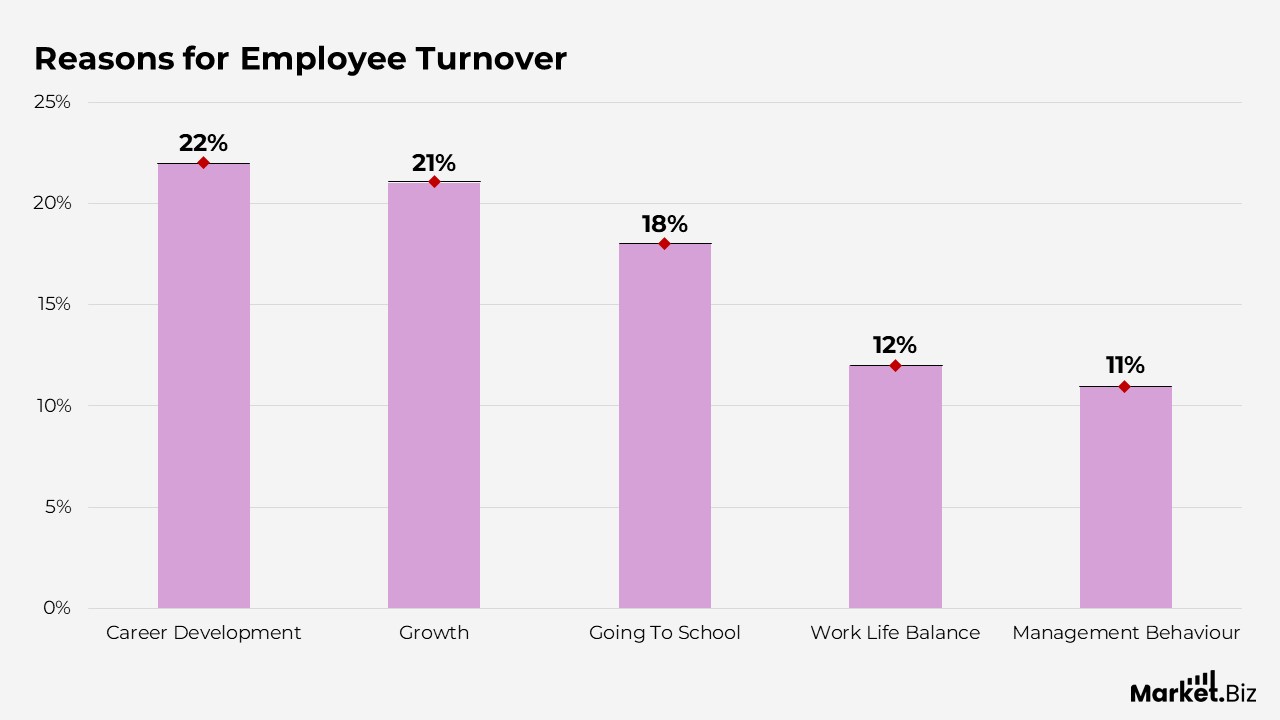
- The global employee turnover rate stands at approximately 10-15%, with variations across industries and regions.
- The average cost to replace an employee can range from 30% to 200% of their annual salary, depending on the role.
- The technology sector experiences a turnover rate of around 13%, with high demand for skilled professionals.
- Companies with high employee engagement levels see 59% less turnover compared to disengaged companies.
- Millennials are 2.5 times more likely to leave their jobs compared to older generations, often seeking career development opportunities.
- Women tend to stay with employers longer, with an average turnover rate of 16%, compared to 20% for men.
- 79% of employees say that comprehensive benefits packages positively impact their decision to stay with an employer.
- 60% of employees report that effective leadership is a key factor in their decision to remain with an organization.
- Companies offering professional development opportunities retain employees 34% longer than those who don’t.
- 70% of remote workers are more likely to stay with their employer long-term, emphasizing the appeal of flexible work options.
- The retail industry sees a turnover rate of 60%, one of the highest across sectors, due to low wages and seasonal employment.
- Employees who are satisfied with their job are 40% more likely to stay for more than three years.
- A strong company culture can reduce turnover by up to 30%, as employees feel more aligned with organizational values.
- Gen Z employees, while more likely to job-hop, tend to stay 10-15% longer when offered opportunities for personal growth.
- Competitive salary offers can reduce turnover by 50%, as employees are less likely to leave for better pay elsewhere.
- Healthcare workers face a turnover rate of 18-20%, driven by burnout and emotional stress, highlighting the need for wellness programs.
(Source: Flair)
Global Trends in Employee Retention
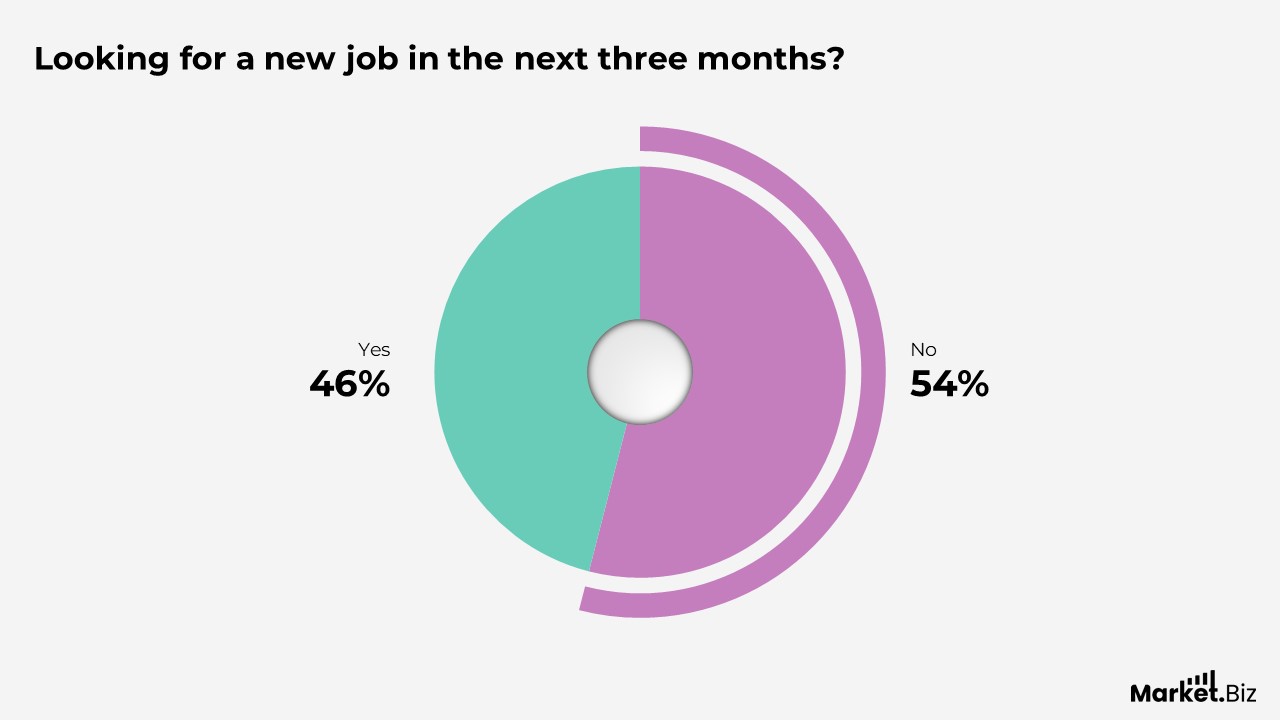
- Employee retention is becoming increasingly crucial, with global turnover rates expected to reach 20% in 2025 across industries.
- Companies that prioritize employee experience see up to 40% higher retention rates than those that do not focus on it.
- In the U.S., voluntary employee turnover has increased by 15% over the past three years, reflecting a shifting workforce dynamic.
- Remote work options have proven to enhance retention, with 70% of employees citing flexibility as a key factor in staying with their current employer.
- The healthcare sector has one of the highest turnover rates globally, averaging 18-20%, driven by burnout and emotional strain.
- Offering mental health support can reduce turnover by up to 25%, as employees increasingly seek wellness benefits.
- Generation Z is expected to comprise 30% of the global workforce by 2025, with this generation favouring companies that offer growth opportunities and work-life balance.
- Employee retention is strongest in companies with a well-defined career path, where 68% of employees stay longer than those with unclear advancement opportunities.
Moreover
- 52% of global companies are increasing their investment in employee retention strategies due to high turnover and recruitment challenges.
- The gig economy is affecting retention, with more employees opting for flexible freelance opportunities, increasing the competition for talent.
- Competitive compensation remains a critical factor in retention, with 60% of employees saying they would leave for a better salary.
- Companies that offer learning and development programs see a 34% reduction in turnover rates, as employees value personal growth opportunities.
- Flexible benefits packages, including childcare support and health insurance, are becoming a common strategy to retain employees in global markets.
- Diversity and inclusion initiatives have been shown to improve employee retention, with inclusive workplaces seeing a 22% lower turnover rate.
- Global talent shortages are leading organizations to focus more on retention, with 47% of companies planning to improve their employee engagement programs in the next year.
Factors Influencing Employee Retention
- Compensation remains one of the most influential factors in employee retention, with 60% of workers citing salary as a primary reason for staying or leaving a job.
- Career development opportunities are key to retaining talent, as 41% of employees say they are more likely to stay if offered growth and training.
- Work-life balance plays a critical role, with 73% of employees indicating they are more likely to remain with an employer offering flexible work options.
- Company culture significantly impacts retention, with 33% of employees leaving due to poor cultural fit within their workplace.
- Job satisfaction directly affects retention, as employees who feel valued and engaged are 87% more likely to stay with their current employer.
- Leadership quality influences retention, with 60% of employees reporting they would leave if they were dissatisfied with management.
- Employee benefits, such as healthcare, paid time off, and wellness programs, can boost retention, with 72% of workers stating that benefits are an important factor in their decision to stay.
Moreover
- Recognition and appreciation contribute significantly to retention, with 79% of employees stating that regular recognition makes them more likely to remain with their employer.
- Job security is a critical factor, with 58% of employees feeling less loyal to companies experiencing frequent layoffs or restructuring.
- Autonomy at work influences retention, as employees who feel empowered in their roles are 38% more likely to stay with their employer.
- Workplace relationships also impact retention, with employees who have strong relationships with co-workers being 43% more likely to stay.
- Diversity and inclusion initiatives are crucial, as inclusive environments lead to 22% lower turnover rates in organizations with strong diversity programs.
- Manager support is vital for retention, with employees who feel supported by their managers being 40% more likely to stay at a company.
- Employee engagement plays a significant role, as organizations with highly engaged employees see a 25% decrease in turnover rates.
(Source: Peoplemanagingpeople)
The Importance of Employee Retention
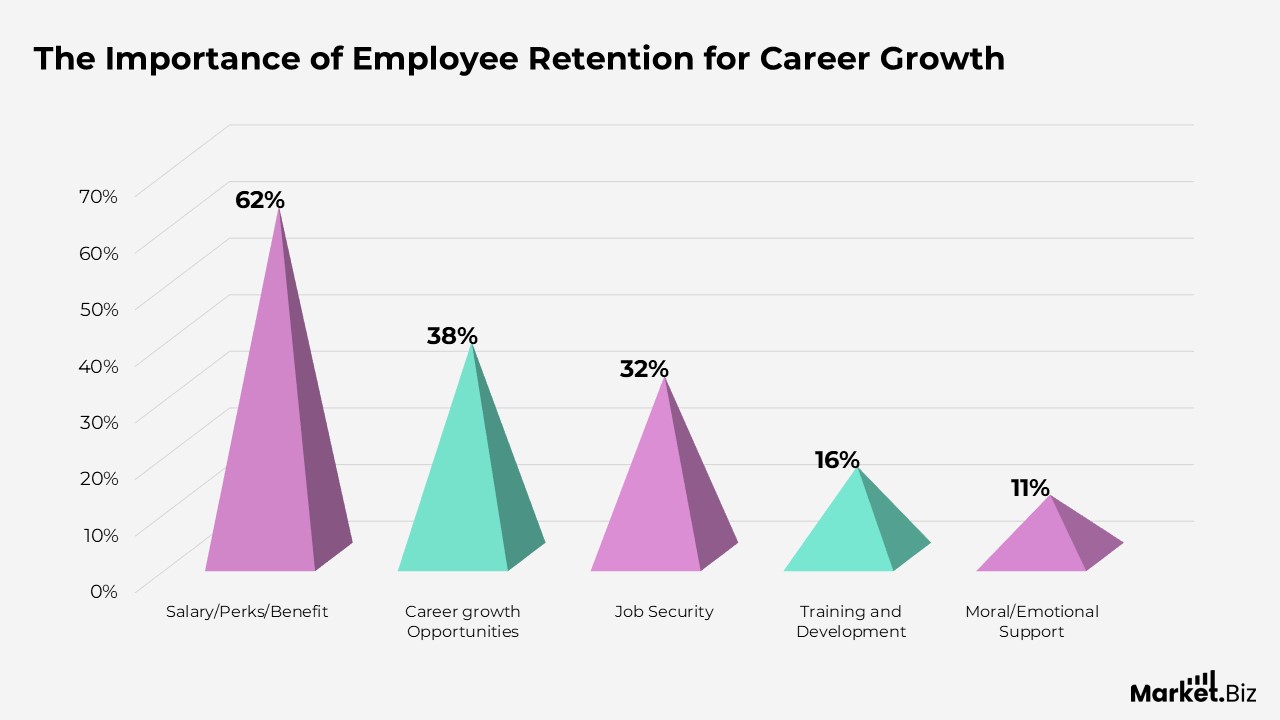
- Employee retention helps reduce the high costs of recruitment and training, with replacing an employee costing up to 200% of their annual salary.
- Retained employees are more experienced, leading to a 25% increase in overall productivity compared to new hires.
- Long-term employees contribute to a positive work environment, with 72% of employees reporting higher morale in companies with low turnover.
- Organizations with higher retention rates keep valuable institutional knowledge, reducing the risk of losing key expertise.
- Companies with low turnover have more consistent customer service, resulting in a 15% higher customer satisfaction rate.
- High employee retention positively impacts a company’s employer brand, attracting top talent and enhancing its reputation in the market.
- Employees who stay longer develop stronger working relationships, improving collaboration and team performance by up to 20%.
- Organizations with high retention see engagement levels 30% higher, as employees are more committed to long-term goals.
- Reducing turnover by 5% can lead to cost savings of between $250,000 and $3 million annually, depending on the size of the company.
- Employees who feel engaged and valued are 40% less likely to take unnecessary time off compared to those who are disengaged.
- Companies with long-tenured employees benefit from greater stability, which fosters an environment where innovation can thrive.
- Retained employees are often promoted within, leading to a more effective and aligned leadership pipeline for the organization.
(Source: Flair)
Role of Job Satisfaction
Impact on Employee Retention
- Job satisfaction is a key driver of employee retention, with 75% of employees citing job satisfaction as a primary factor in staying with their employer.
- Employees who report high levels of job satisfaction are 32% less likely to leave their jobs compared to dissatisfied employees.
- Companies with satisfied employees experience 50% lower turnover rates, as job satisfaction directly correlates with employee loyalty.
- 83% of employees who are satisfied with their work environment are more likely to stay with their current employer for over three years.
- Job satisfaction is directly tied to compensation, with 60% of employees stating that competitive pay significantly impacts their job satisfaction.
- Career development opportunities increase job satisfaction by 40%, making employees more likely to remain with the organization.
- A positive work culture and relationships with colleagues boost job satisfaction, leading to a 20% decrease in voluntary turnover.
- Employees who find meaningful work are 60% more likely to be satisfied and remain with their company long-term.
- Job satisfaction enhances overall productivity by 25%, as employees are more motivated and engaged in their roles, reducing turnover.
Strategies to Improve Job Satisfaction
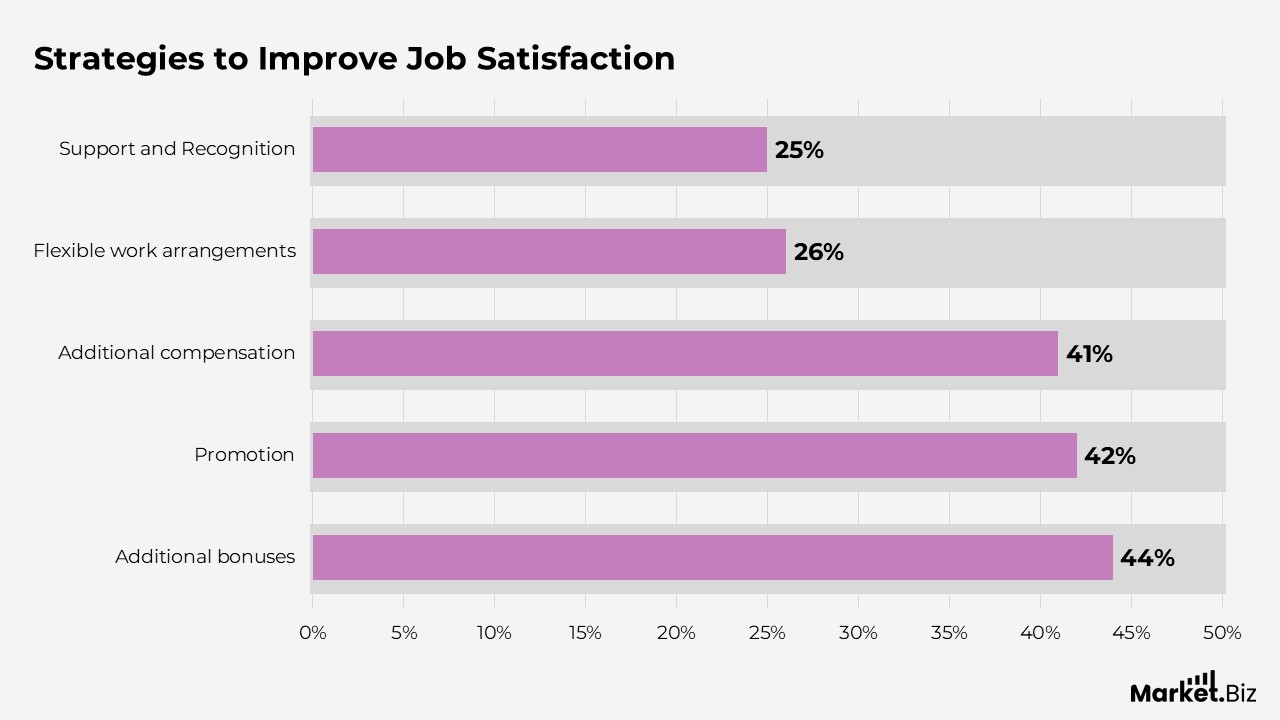
- Offering flexible work arrangements, such as remote work, can increase job satisfaction by 73%, leading to higher employee retention.
- Regular employee recognition and appreciation are linked to a 31% increase in job satisfaction and 20% lower turnover rates.
- Providing continuous learning and development opportunities improves job satisfaction by 35%, fostering greater employee retention.
- A clear path for career advancement enhances job satisfaction, with 67% of employees stating they would stay longer if promotion opportunities were clearer.
- Effective leadership contributes to job satisfaction, with employees reporting 40% higher satisfaction when they feel supported by their managers.
- Fair and transparent communication within organizations increases employee job satisfaction by 25%, leading to higher retention.
- Competitive benefits packages, including health insurance and paid leave, are proven to improve job satisfaction and reduce turnover by 30%.
- Encouraging a healthy work-life balance can increase job satisfaction by 50%, reducing burnout and improving retention rates.
- A focus on employee well-being, such as mental health programs, can improve job satisfaction by 20%, leading to stronger retention and loyalty.
(Source: Aihr, WP-Content)
Retention by Different Industries
- Employee retention saves up to 200% of an employee’s salary by reducing recruitment and training costs.
- Retained employees increase productivity by 25% due to their experience.
- Low turnover boosts customer satisfaction by 15% through consistent staff.
- A strong retention strategy can cut turnover by 50%, saving millions annually.
- Long-term employees build stronger client relationships, growing customer loyalty by 30%.
- Retained employees improve morale, with 72% feeling more motivated in low-turnover companies.
- Retention preserves valuable knowledge, preventing loss of key expertise.
- Companies with high retention rates are 12% more likely to be top employers.
- High retention fosters a stronger company culture and collaboration.
- Employees who stay longer contribute to 38% more innovation.
- Employee retention reduces absenteeism by up to 40%.
- Companies with strong retention see 20% higher revenue growth.
Employee Retention in Remote Work
- Remote work increases employee retention, with 70% of remote workers reporting they are more likely to stay with their employer long-term.
- Companies that offer remote work see a 25% decrease in turnover compared to those that don’t provide flexible work options.
- 65% of employees state that flexible remote work arrangements significantly impact their decision to remain with an employer.
- Remote work allows businesses to tap into global talent, enhancing retention by reducing the impact of local talent shortages.
- Employees working remotely are 20% more likely to report high job satisfaction, which directly correlates with lower turnover rates.
- 45% of remote employees say a lack of in-person interaction doesn’t affect their sense of connection to the company, boosting retention.
- Companies offering remote work can save up to $11,000 per employee annually, contributing to lower turnover costs.
- Remote work flexibility is particularly valued by younger employees, with 55% of Gen Z and Millennials citing it as a key reason to stay.
- 40% of remote workers report that they feel more trusted and empowered, which boosts employee loyalty and reduces turnover.
- Remote work improves work-life balance, with 72% of remote employees stating it helps them manage personal and professional responsibilities better.
- Remote work has been shown to reduce absenteeism by 35%, contributing to higher employee retention and productivity.
- Companies with remote work options see 30% better employee retention in industries with traditionally high turnover, like tech and customer service.
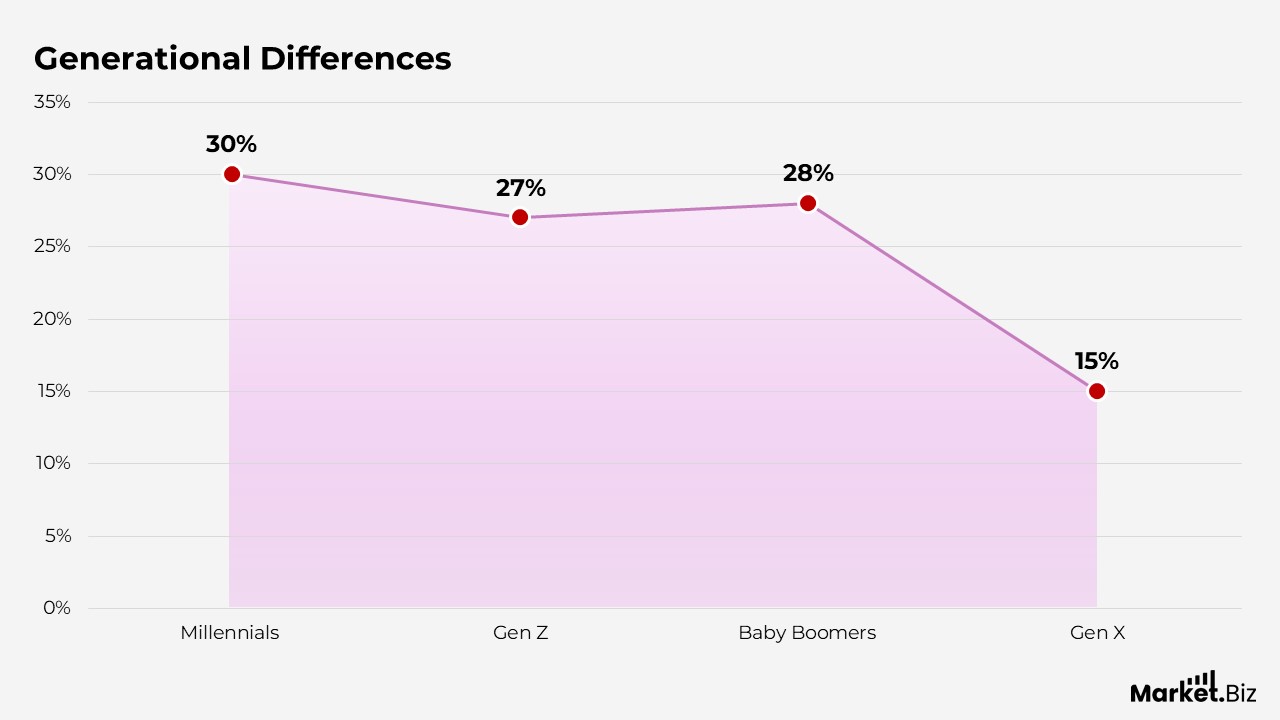
Generational Differences
- Millennials are 2.5 times more likely to leave their jobs than Baby Boomers, with 30% seeking better work-life balance and career development opportunities.
- 27% of Gen Z employees prefer jobs that offer remote work and align with their personal values, showing a preference for flexibility and purpose.
- Baby Boomers typically stay in jobs for an average of 10 years, while Millennials stay for only about 3 years, reflecting a shorter tenure.
- 15% of Gen X employees prioritize stability and benefits when choosing to stay with an employer, often seeking a strong benefits package.
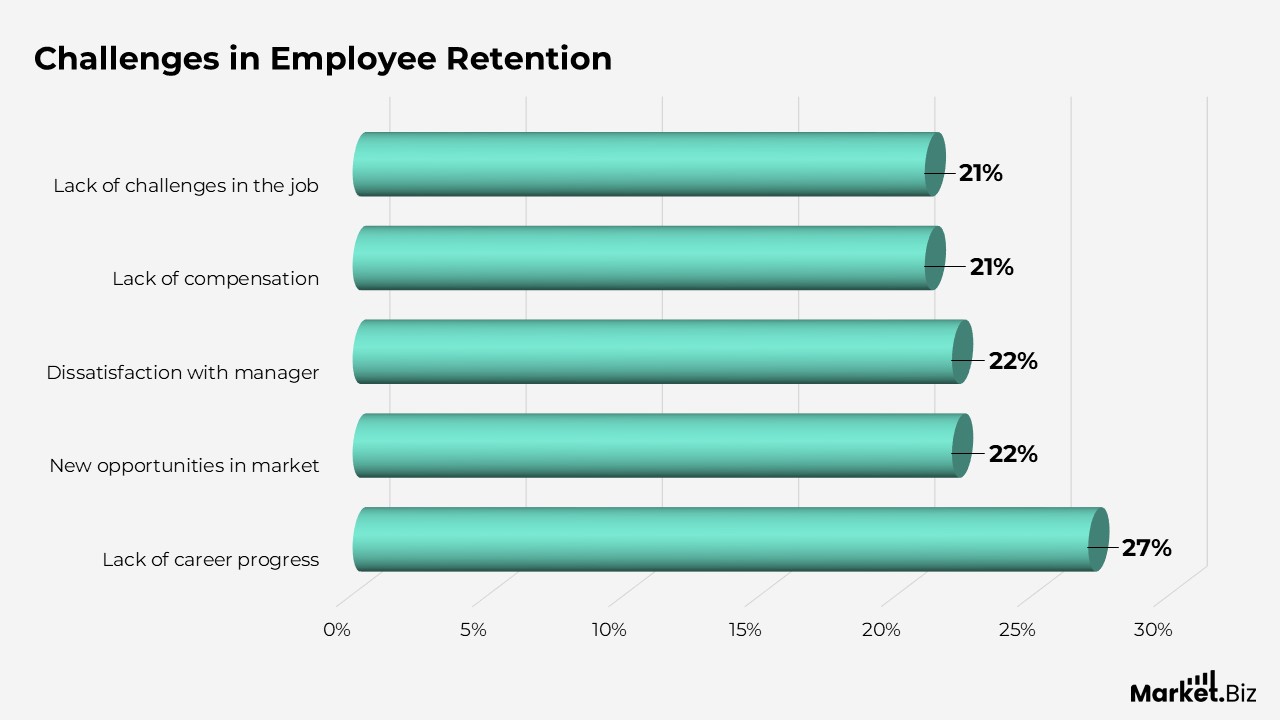
Challenges in Employee Retention
- Employee turnover costs can be as high as 33% of an employee’s annual salary, including recruitment, training, and lost productivity.
- A highly competitive job market makes it difficult for 69% of companies to retain employees, as top talent is constantly in demand.
- Nearly 45% of employees say limited career advancement opportunities play a significant role in their decision to leave.
- Poor work-life balance is a major factor for 62% of employees leaving their jobs, emphasizing the need for flexibility and remote work options.
- Over 54% of employees feel their compensation doesn’t match the market, which drives them to seek better-paying opportunities.
- Many employees leave due to poor leadership, with 58% of them citing a bad manager as the primary reason.
- Lack of recognition is a major contributor to turnover, with 35% of employees feeling demotivated and less loyal due to insufficient appreciation.
- About 47% of employees report feeling disconnected from company culture, often leading to dissatisfaction and resignation.
- Burnout rates reached an all-time high in 2023, with 77% of employees experiencing burnout, which is a leading cause of attrition.
- Economic uncertainty and organizational changes contribute to 34% of employees seeking more stable job opportunities elsewhere.
(Source: Aihr)
Work-Life Balance on Employee Retention
- Employee turnover costs can be as high as 33% of an employee’s annual salary, including recruitment, training, and lost productivity.
- 69% of companies report struggling to retain employees in a highly competitive job market where top talent is constantly in demand.
- 45% of employees say limited career advancement opportunities are a significant factor in their decision to leave.
- 62% of employees cite poor work-life balance as a reason for leaving their job, highlighting the importance of flexibility and remote work options.
- 54% of employees feel their compensation does not align with the market, often prompting them to seek better-paying opportunities elsewhere.
- Employees often leave due to poor leadership—58% of employees say they would leave a company because of a bad manager.
- 35% of employees say a lack of recognition and appreciation contributes to low morale and turnover.
- 47% of employees report feeling disconnected from company culture, with culture-fit misalignment often leading to resignation.
- In 2023, burnout rates reached an all-time high, with 77% of employees experiencing burnout, often leading to attrition.
- Economic uncertainty and frequent organizational changes contribute to 34% of employees seeking stability and security elsewhere.
Conclusion
Employee retention remains a critical challenge for organizations, with turnover costs being significant due to recruitment and training expenses. Sectors like retail and healthcare experience particularly high turnover rates. Companies that prioritize employee engagement, career development, and flexible work options such as remote work see much higher retention rates.
Additionally, competitive compensation and a strong company culture are key drivers in reducing turnover. With Millennials and Gen Z increasingly prioritizing work-life balance and growth opportunities, organizations must adapt to these demands to remain competitive. Ultimately, focusing on employee satisfaction and well-being will not only improve retention but also enhance overall productivity and organizational stability.
FAQ’s
The global employee turnover rate typically ranges between 10-15%, with certain sectors like retail and healthcare experiencing significantly higher rates, reaching up to 60%.
Replacing an employee can cost anywhere from 30% to 200% of their annual salary, depending on the role, making retention strategies crucial for reducing expenses.
Work-life balance is a key factor in retention, with 62% of employees citing it as a major reason for leaving their jobs, emphasizing the need for flexibility and remote work options.
Companies with high employee engagement experience 59% less turnover compared to disengaged companies, showing that fostering engagement leads to greater loyalty and retention.
Competitive compensation is a significant driver of retention, with 54% of employees feeling their pay is below market rates, often leading them to seek better-paying opportunities elsewhere.