









Introduction
Apparel Statistics: The clothing we choose to wear can be deeply personal, reflecting our emotions, identity, and heritage; however, it is also influenced by worldwide trends, including economic factors, sustainability issues, and elements of popular culture. Manufacturers and retailers strive to anticipate and even shape these trends to secure a competitive edge in the 1.8 trillion dollar global apparel market.
The apparel sector is primarily led by the largest corporations. Nike stands out as a leading performer, boasting the highest brand value of any mass apparel brand in 2024, estimated at around 72 billion dollars. In this article, you will discover the essential metrics that companies within the Apparel Industry ought to monitor.
Editor’s Choice
- The global apparel market was valued at $1.55 trillion (£1.14 billion) in 2021.
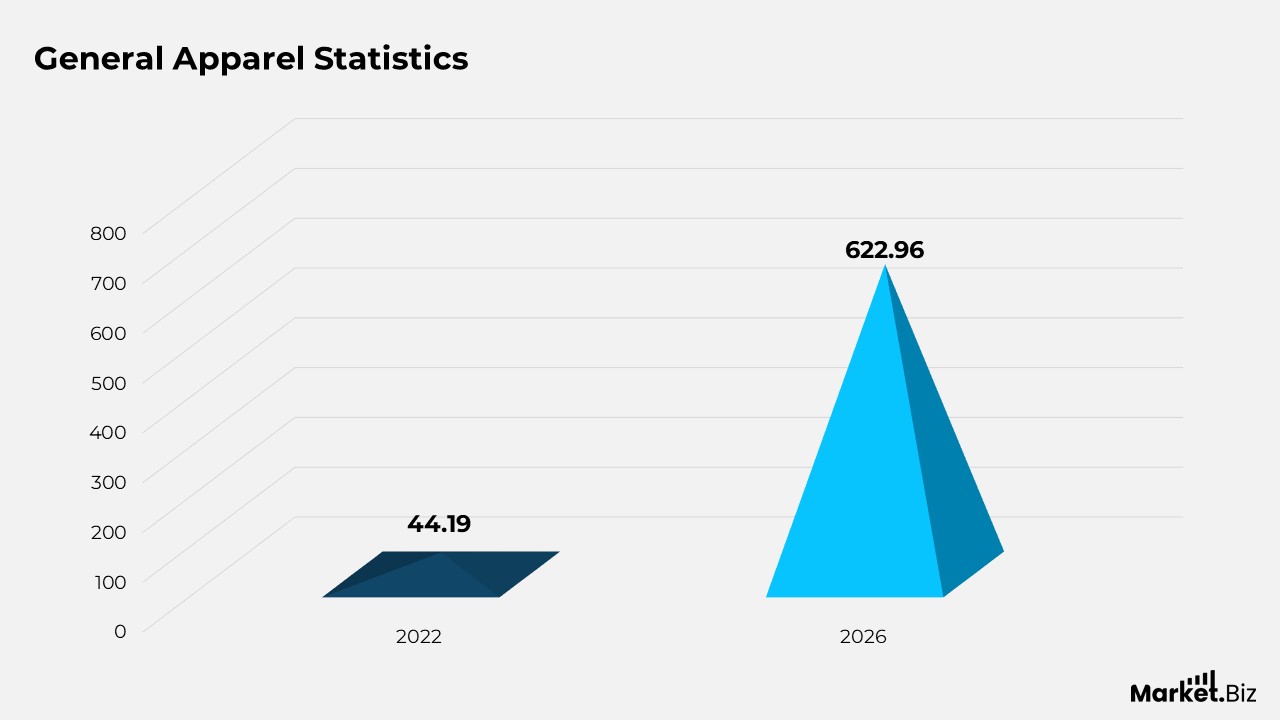
- The projected global revenue for women’s apparel is expected to reach £622.96 billion in 2026.
- According to statistics from the sports apparel industry, the market is projected to grow at a CAGR of 4.11% by the end of 2025.
- The most recent statistics for the global apparel industry indicate that revenue from the apparel market is projected to reach $1.79 trillion in 2024.
- 63% of fashion brands are falling short of the decarbonization targets set for 2030, yet only 18% of executives regard sustainability as a significant growth risk for 2025.
- The global market for second-hand and resale clothing reached an estimated value of approximately $177 billion. It is projected to nearly double by 2027, potentially reaching $351 billion.
- According to statistics from the sports apparel industry, the market is expected to grow at a compound annual growth rate (CAGR) of 4.11% by the end of 2025.
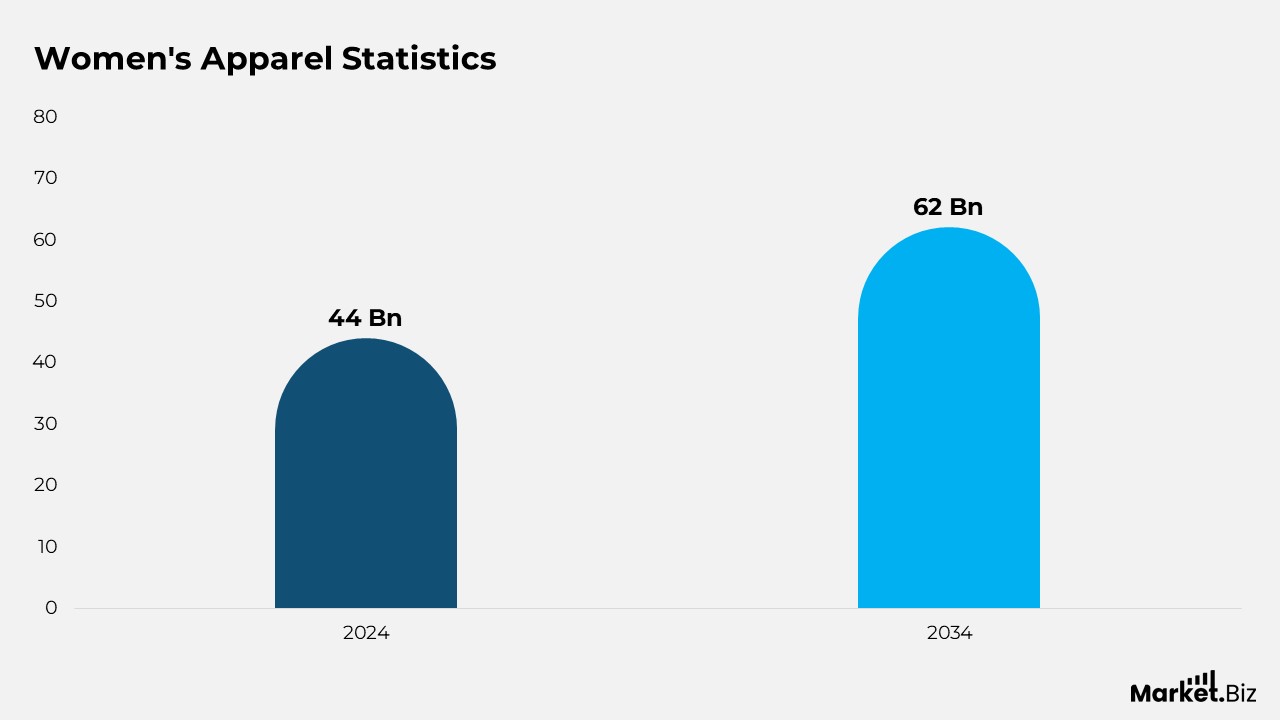
- In 2024, the women’s wear market in the Asia Pacific region was valued at USD 44 billion and is projected to grow to approximately USD 62 billion by 2034, with a CAGR of 3.60%.
What is Apparel?
The Apparel market encompasses garments manufactured for individual consumers and is categorized into the following product lines: Men’s Apparel, Women’s Apparel, and Children’s Apparel. Workwear and other personal accessories, including jewellery, watches, handbags, and similar items, which are not classified as actual clothing articles, are excluded.
General Apparel Statistics
- The global apparel market was valued at $1.55 trillion (£1.14 billion) in 2021.
- China holds the position of the largest clothing exporter in the world.
- The projected global revenue for women’s apparel is expected to reach £622.96 billion in 2026.
- The revenue for the UK’s national apparel market is anticipated to surpass £60.1 billion.
- In 2022, UK consumers are expected to purchase $44.19 billion worth of clothing and footwear online.
- The revenue from plus-size apparel in the UK is forecasted to reach £9.03 billion in 2022.
- The average cost of an apparel item in the UK is expected to continue increasing at least until 2026.
- A persistent trend within the apparel industry is the predominance of women’s clothing over that of men’s.
- Projections indicate that women’s apparel revenue will reach more than £500 million and will continue to grow at a compound annual growth rate (CAGR) of 2.44% by 2026.
- Men’s apparel is expected to experience a slightly higher growth rate of 2.54%, but this will not be sufficient to rival the women’s apparel market.
- According to statistics from the sports apparel industry, the market is projected to grow at a CAGR of 4.11% by the end of 2025.
Apparel Market Size Growth
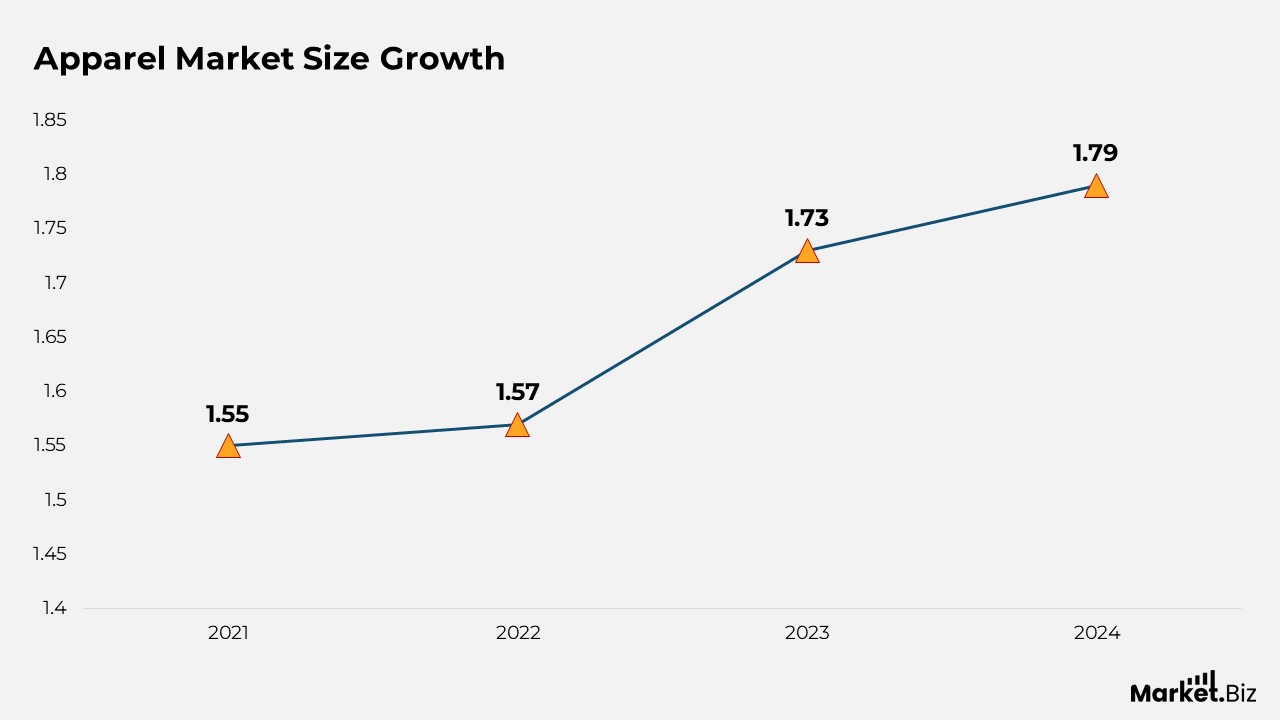
- The most recent statistics for the global apparel industry indicate that revenue from the apparel market is projected to reach $1.79 trillion in 2024.
- A year-over-year increase of 3.47% from the $1.73 trillion recorded in 2023.
- This represents substantial growth over the last six years. In 2018, the total size of the global apparel market was $1.58 trillion.
- Although there has been notable growth since 2018, the apparel industry has faced considerable challenges in recent years.
- In 2019, revenues experienced a slight decline of 0.63%, dropping to $1.57 trillion. The following year saw a more significant decrease of 11.46%, bringing revenues down to $1.39 trillion.
- However, in 2021, the market rebounded, increasing by 11.51% to $1.55 trillion, followed by a modest rise of 1.29% in 2022, reaching $1.57 trillion.
- These fluctuations can be attributed to the coronavirus pandemic, which compelled consumers globally to reduce their spending in 2020.
- The most significant reductions were observed in clothing, with expenditures decreasing by approximately 4% in 2020. As individuals were confined to their homes, the demand for new clothing diminished.
- These statistics for the apparel industry suggest that from 2018 to 2028, the sector is anticipated to boost its revenues by $420 billion (equivalent to an overall increase of 26.58%), with an average annual growth rate of 25.61%.
Fashion Industry Size
- Europe’s declining inflation and a rise in tourism are set to enhance the fashion sector, while growth in Asia (including Japan, Korea, and India) may mitigate uncertainties in China.
- The “Silver Generation” (aged 50 and above) possesses 72% of the wealth in the United States, creating growth prospects for brands that target this demographic.
- Half of fashion executives believe that generative AI will be crucial for product discovery in 2025, and 82% of consumers desire AI to minimize the time spent on shopping research.
- Challenger brands in the sportswear market, such as Deckers, New Balance, and Vuori, are projected to outpace Nike, Adidas, Puma, and Under Armour in profitability in 2024.
- 63% of fashion brands are falling short of the decarbonization targets set for 2030, yet only 18% of executives regard sustainability as a significant growth risk for 2025.
- Apparel consumption is anticipated to increase by 63% by 2030, which could consume more than a quarter of the global carbon budget by 2050.
Second-Hand Apparel Market
- Younger consumers, particularly those from Generation Z and Millennials, are driving growth in the second-hand clothing market.
- These demographics favor using applications for easy access to a wide range of second-hand garments across the globe.
- In December 2022, Depop recorded 354,000 downloads per month worldwide. Additionally, traditional thrift stores continue to be favored by numerous shoppers.
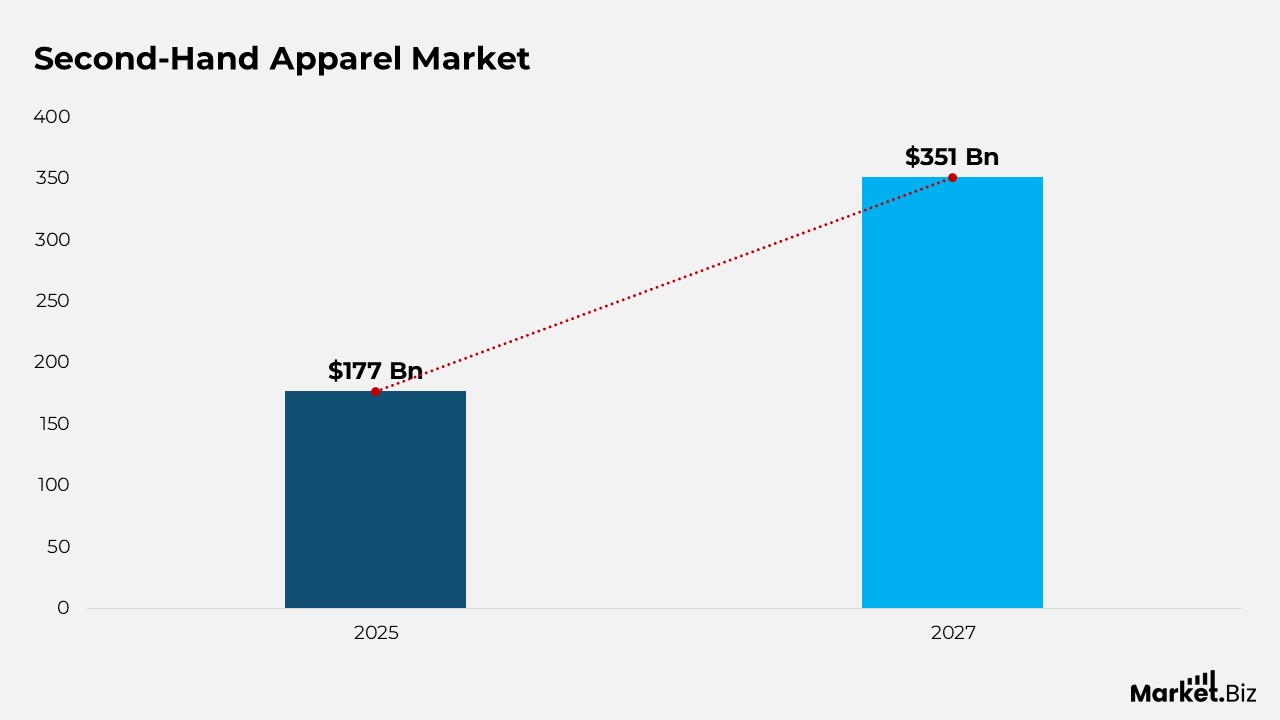
- The global market for second-hand and resale clothing reached an estimated value of approximately $177 billion. It is projected to nearly double by 2027, potentially reaching $351 billion.
- In 2021, around 40% or more of Millennials and Generation Z worldwide indicated their willingness and openness to buy second-hand clothing.
Sports Apparel Industry Statistics
- The outdoor apparel market is projected to experience consistent growth in the upcoming years. By 2026, it is anticipated that the market will reach a value of $19.6 billion.
- According to statistics from the sports apparel industry, the market is expected to grow at a compound annual growth rate (CAGR) of 4.11% by the end of 2025.
- Yoga pants represent one of the most significant trends within the sports apparel sector.
- The United States holds the position of the largest sports apparel market globally.
- Eco-friendly athletic wear is emerging as one of the prominent trends in the sports apparel industry.
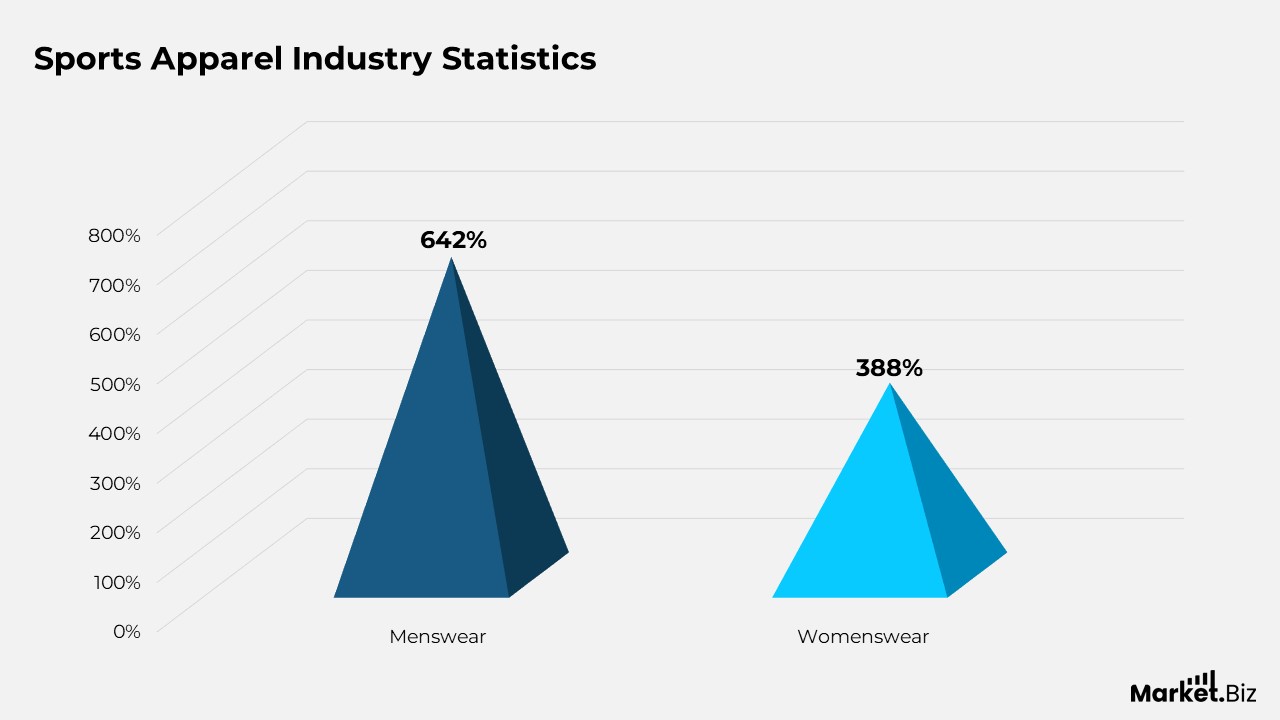
- Trends in sportswear branding indicate that apparel labelled as “recycled” has seen an increase of 642% in menswear and 388% in womenswear.
Women’s Apparel Statistics
- The global market for women’s apparel was valued at USD 1.04 trillion in 2024.
- The market is expected to increase at a compound annual growth rate (CAGR) of 3.4% from 2023 to 2032, eventually reaching USD 1,356.2 billion by 2032.
- In 2024, the women’s wear market in the Asia Pacific region was valued at USD 44 billion and is projected to grow to approximately USD 62 billion by 2034, with a CAGR of 3.60%.
- The women’s sportswear segment is expected to experience a notable CAGR of 3.71% throughout the forecast period.
- One-third of young women in the United Kingdom regard social media as their primary source of fashion inspiration.
- In the United States alone, the fashion industry employs around 2 million women across various sectors.
- The average American woman allocates approximately USD 150 each month for clothing purchases.
- The women’s clothing market in the United States achieved the highest revenue, amounting to USD 191 billion in 2024.
Top Apparel Brands
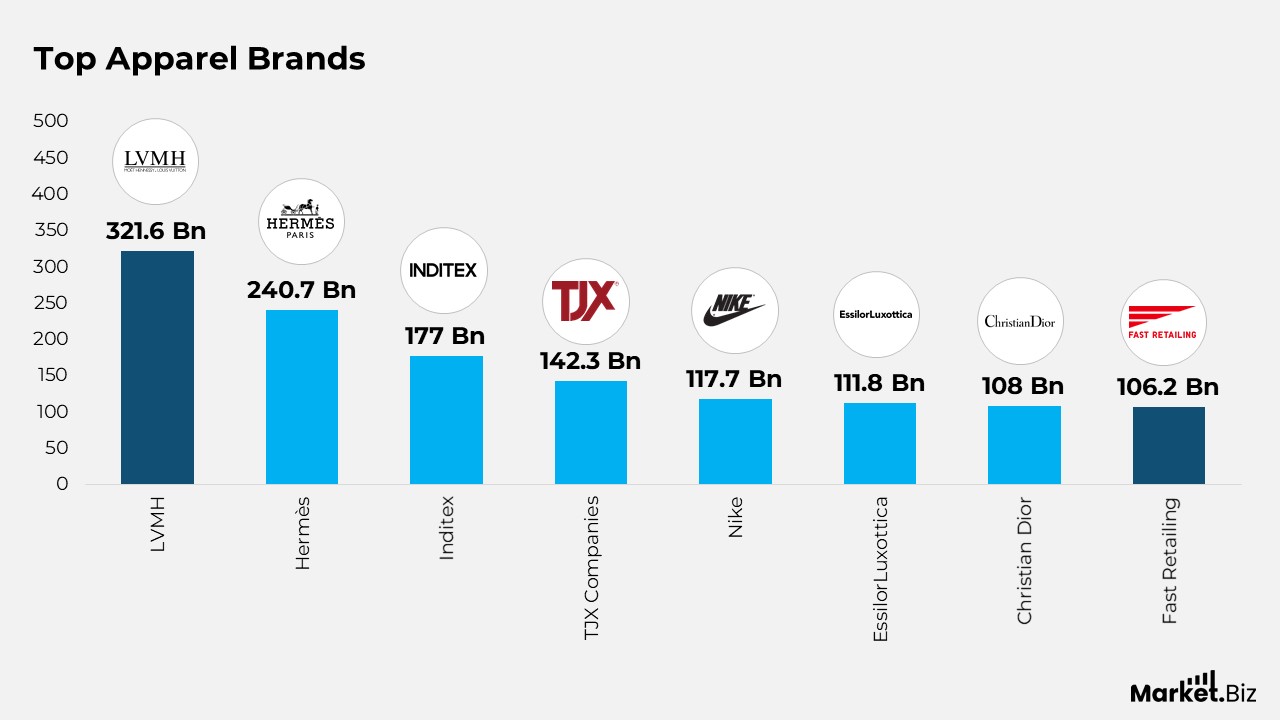
- Louis Vuitton Moët Hennessy (LVMH): $321.6B
- Hermès: $240.7B
- Inditex: $177B
- TJX Companies: $142.3B
- Nike: $117.7B
- EssilorLuxottica: $111.8B
- Christian Dior: $108B
- Fast Retailing: $106.2B
Recent Developments
- In January 2024, H&M, the global fashion retailer, revealed the introduction of its new sustainable denim line, “Conscious Denim,” crafted from recycled and organic materials. This initiative represented a crucial advancement in the apparel industry’s transition towards more environmentally friendly production techniques.
- In March 2024, Adidas and Allbirds, two prominent entities in the athletic apparel industry, established a strategic alliance to collaboratively create and distribute sustainable footwear. This partnership sought to merge Adidas’ manufacturing proficiency with Allbirds’ eco-conscious materials and design.
- In May 2024, Inditex, the parent organization of Zara, obtained a strategic investment of 1 billion from the Qatar Investment Authority. The capital was designated for enhancing its online platform and logistics capabilities.
- In February 2025, the European Union enacted the Sustainable Textiles Regulation, requiring that all textile and apparel products sold within the EU adhere to specific environmental and social standards. This regulation signified a major transition towards more sustainable and ethical production practices in the European market.
Conclusion
The worldwide clothing market is undergoing substantial growth and change, influenced by elements such as sustainability issues, the expansion of e-commerce, and evolving consumer preferences.
Although the market is expected to attain $1.66 trillion by 2030, with a compound annual growth rate (CAGR) of 2.53%, businesses encounter challenges from local and unregulated competitors, along with the necessity to adjust to changing consumer needs. Sustainability is gaining prominence, emphasizing the use of environmentally friendly materials and initiatives related to the circular economy.
FAQs
Textiles refer to the fundamental materials (fibers, yarns, and fabrics) utilized in the creation of clothing, whereas apparel pertains to the completed garments produced from those textiles. Textiles represent a broader category, including everything from raw fibers to finished fabrics, and are applicable in various uses beyond clothing. Conversely, apparel specifically denotes the clothing items we wear, such as shirts, pants, and dresses.
The median age of shoppers indicates that individuals aged 25 to 34 constitute the largest segment of consumers, accounting for 27.6% in 2023, compared to 27.4% in 2022. The median age distribution of Apparel & Accessories shoppers likely to engage in online purchases mirrors that of the overall Top 1000 (25.1%).
In 2025, fashion trends are expected to favor a combination of bold expressions and practical comfort, with a significant focus on sustainability and personal expression. Notable trends include the resurgence of bootcut jeans, the popularity of athleisure with a mix-and-match style, and the revival of Y2K fashion. Sustainable fashion remains a key priority, along with the reinterpretation of traditional styles with contemporary elements, especially in ethnic clothing.
Apparel is generally classified into three categories based on its intended purpose and usage. These categories are fundamental to the clothing industry. The three principal categories of apparel include casual wear, formal wear, and active wear. Each category serves a distinct function and target audience.
Apparel includes all types of items worn on the human body, such as clothing, footwear, accessories, and gadgets, irrespective of their aesthetic origins, styles, functions, or materials. Nevertheless, language and cultural factors frequently influence these seemingly simple definitions.

