









Introduction
Pet Sitting Statistics: The worldwide market for pet sitting services is anticipated to reach USD 4,793 million by the year 2035, an increase from USD 1,954 million in 2024. Throughout the forecast period from 2025 to 2035, the sector is expected to exhibit a compound annual growth rate (CAGR) of 8.5%, fueled by the rising number of pet owners around the globe and the growing trend of pet humanization, especially among millennials and Gen Z, who are in search of high-quality, personalized services.
While pet sitting primarily caters to dogs, services are also available for a variety of pets, including cats, birds, fish, and even animals. Pet-sitting services are offered globally, with North America holding the largest share of the market, accounting for approximately one-third of the entire pet-sitting industry. This article will provide further insights into Pet Sitting Statistics.
Editor’s Choice
- 12% of adults with children under 18 adopted pets as a result of the COVID-19 pandemic.
- 69% of Millennials opt for natural and organic products for their pets.
- Daycare services account for about 40% of the pet-sitting industry.
- Each year, approximately $9.5 billion is allocated to dog boarding and grooming services.
- Forecasts suggest that the global pet care market will reach $550 billion by 2032.
- Each year, approximately $9.5 billion is allocated for dog boarding and grooming services.
- There are more than 160,000 businesses in the US that provide pet care and doggy daycare services.
- Forecasts suggest that e-commerce will represent 55% of the total U.S. pet food sales by the end of 2025.
- The employment rate for animal care and service workers is anticipated to increase by 15% from 2023 to 2033.
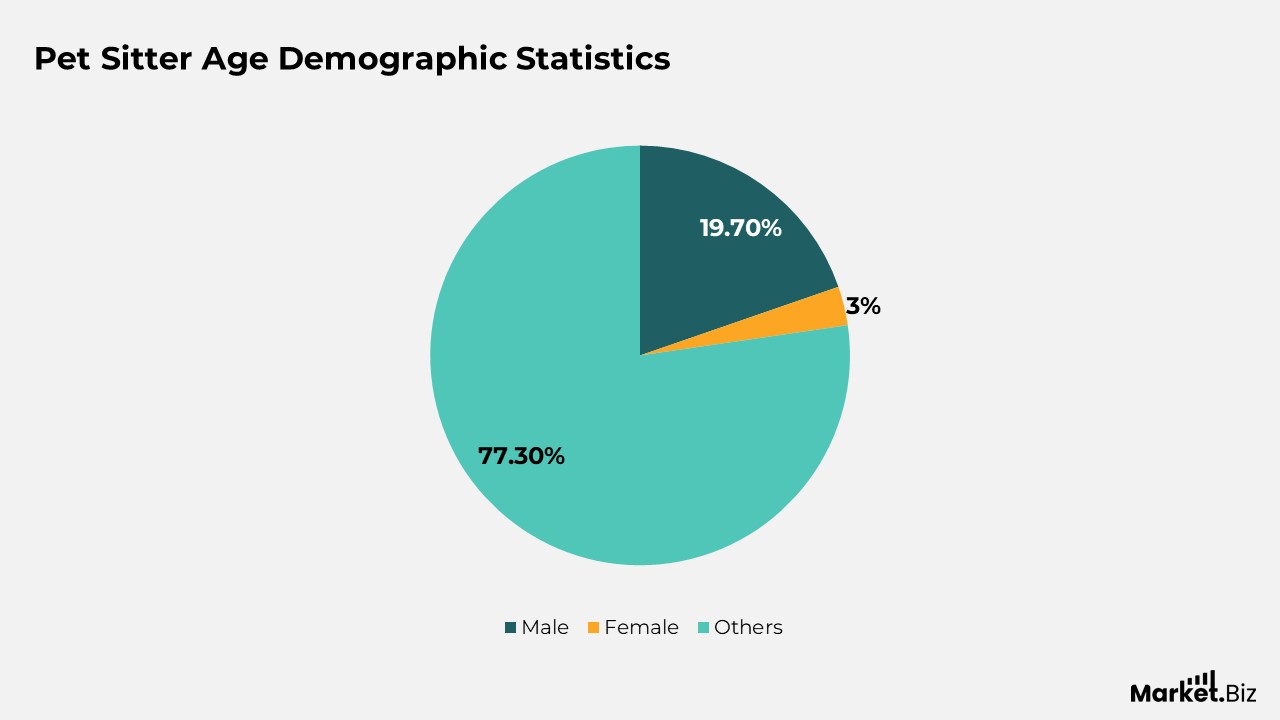
- 19.7% of these pet sitters are men, while 3% are women.
What is Pet Sitting?
“Pet sitting” refers to “the act of looking after a pet in its own residence while the owner is absent.” Dog walking can also be categorized as a type of pet sitting, as it entails visiting the pet’s home to deliver exercise and companionship.
Although certain pet sitters and dog walkers may provide extra services, such as restricted in-home boarding, these offerings are distinct services and do not fall under the definition of “pet sitting.” The key distinction between pet sitters and boarders or doggie day cares lies in the fact that pet sitters care for animals in the clients’ homes.
General Pet Sitting Statistics
- The global pet-sitting sector was assessed at $2.4 billion in 2022, with North America representing over one-third of this figure. By 2032, the pet-sitting market is projected to approach nearly $6.4 billion.
- Approximately 35,000 pet sitters are operating in the United States. The industry experienced significant challenges during the COVID years; however, as more individuals return to the workplace, it is anticipated to expand by 11% annually.
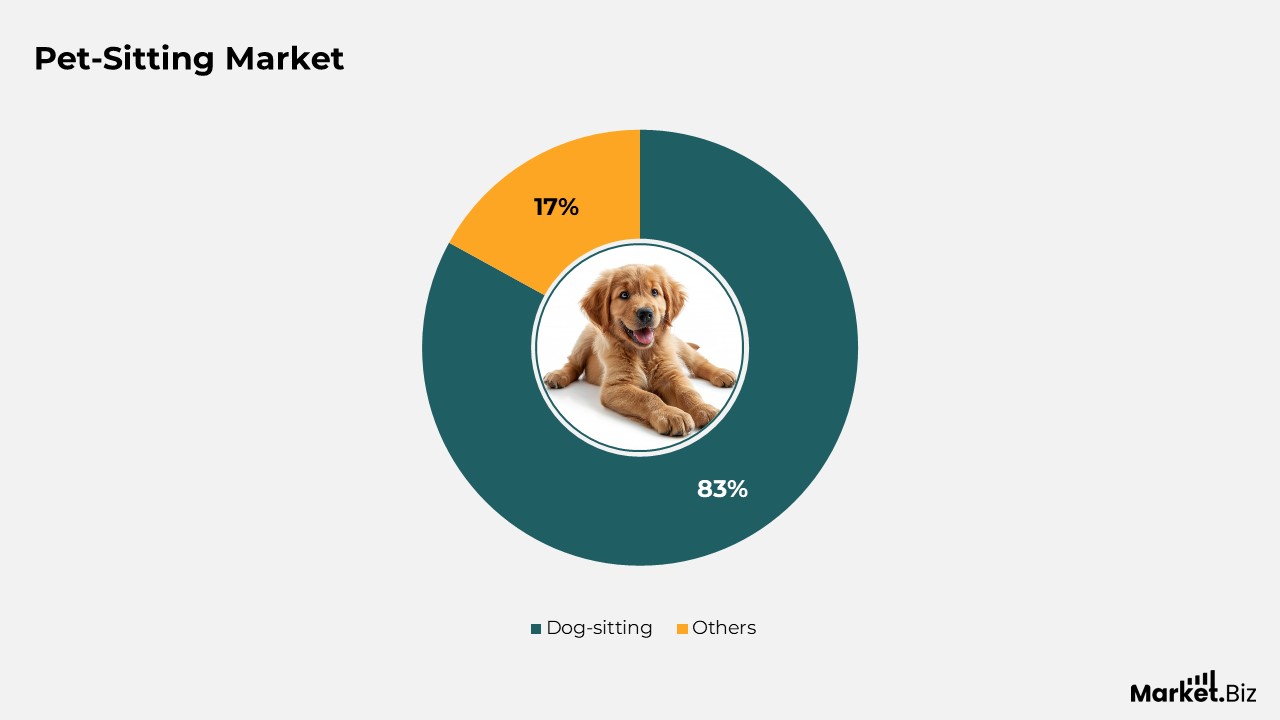
- Dog-sitting constitutes 83% of the pet-sitting market, and more than 75% of pet sitters are female.
- A standard 30-minute pet-sitting session costs around $25, while overnight care is priced at approximately $80. Nearly all pet-sitting enterprises, about 99%, are independently owned.
- Pet sitters typically generate $70,000 in total revenue per year, with the average annual salary being $25,000. Pet sitters in Connecticut tend to earn more than their counterparts in other states.
- In 2024, the pet industry in the United States reached a valuation of $150.6 billion. The average annual expense for owning a pet dog was roughly $1,248.
- The number of insured pets rose by 17.1% in 2024. Pet eCommerce sales in the United States are projected to reach $37.8 billion by 2025. The average cost for a veterinary visit in 2024 was $147.
Moreover
- According to Pet Sitting Statistics, nearly 61% of pet owners in the United States are willing to pay a premium for food that satisfies their pets’ dietary requirements.
- Dog owners allocate an average of $73 annually for grooming. During the COVID-19 pandemic, 21% of pet owners increased their spending on their pets.
- Millennials represent 31% of the clientele in the pet industry. Cat and dog owners typically spend about $300 each year on food and treats for their animals.
- 12% of adults with children under 18 adopted pets as a result of the COVID-19 pandemic.
- More than half of individuals who own cats and dogs purchase Christmas gifts or treats for their pets.
- 69% of Millennials opt for natural and organic products for their pets.
- On average, the cost of doggy daycare is approximately $35 per day, while dog boarding is around $40 per night.
- In the United States, there are over 20,000 pet care centers and 35,000 pet sitters available.
- The combined total of boarding kennels in the US and Canada is 9,000.
- Daycare services account for about 40% of the pet-sitting industry.
- 22% of pet owners utilize dog walking services, and 27% take advantage of daycare services. The majority of pet-sitting services cater to both dogs and cats.
- The pet daycare industry is projected to experience an annual growth rate of 8% until 2032.
Pet Sitting Trends
- Each year, approximately $9.5 billion is allocated to dog boarding and grooming services.
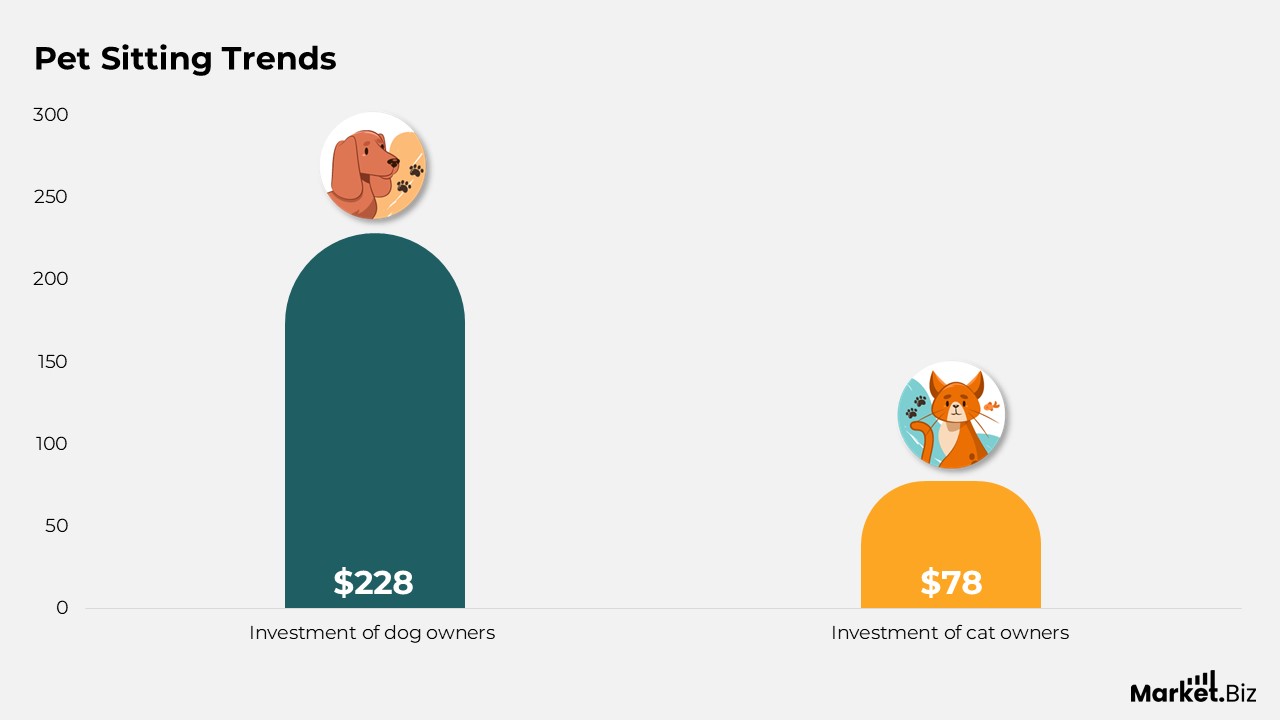
- On average, dog owners invest $228 annually in boarding kennels, while cat owners spend $78.
- The pet-sitting sector, particularly the “drop-in” care segment, leads the industry, representing 57.25% of total pet-sitting revenue.
- In 2021, pet owners in the US expended $123.6 billion on their pets.
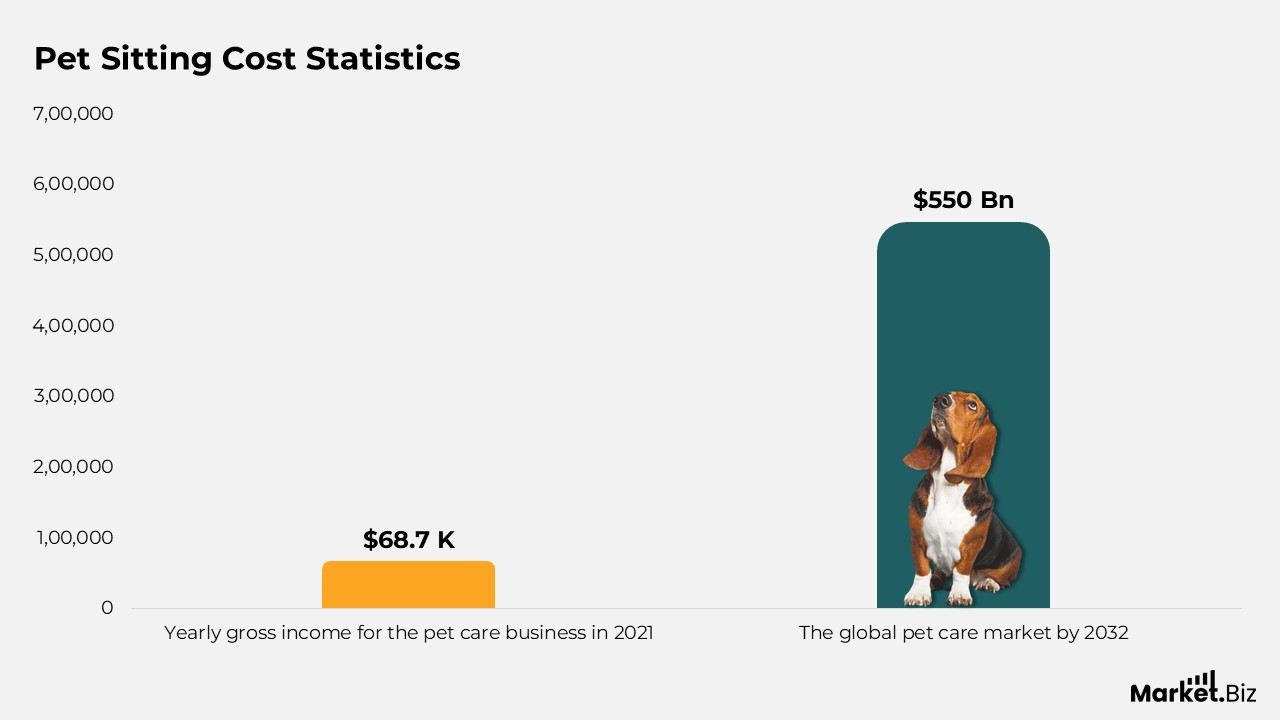
- The average annual gross revenue for pet care business owners in the US was $68,699 in 2021.
- Forecasts suggest that the global pet care market will reach $550 billion by 2032.
- There are more than 160,000 pet care and doggy daycare establishments across the US.
- 40% of individuals engaging with pet daycare services fall within the age range of 30 to 49.
- In Colorado, regulations for dog daycare stipulate that there must be one supervisor for every 15 dogs.
Cost Statistics of Pet Sitting
- Each year, approximately $9.5 billion is allocated for dog boarding and grooming services.
- In 2021, the US pet industry saw expenditures exceeding $123.6 billion. This total was categorized into various segments.
- Pet food and treats were projected to account for $50 billion, while supplies, live animals, and medications represented $29.8 billion, and veterinary care, along with product sales, generated $34.3 billion.
- On average, dog owners invested $228 annually in boarding kennels, whereas cat owners spent $78.
- The overall expenditure on pets in the US was further detailed to encompass annual spending on dogs and cats for services like pet sitting and doggy daycare.
- The “drop-in” care segment of pet sitting leads the market, comprising 57.25% of total pet-sitting revenue.
- The yearly gross income for pet care business proprietors in the US was $68,699 in 2021.
- Looking ahead, the global pet care market is anticipated to reach $550 billion by 2032.
Pet Sitting Services Statistics
- There are more than 160,000 businesses in the US that provide pet care and doggy daycare services.
- Research conducted on the pet-sitting services sector revealed that in 2023, there were 162,814 pet care and doggy daycare establishments throughout the US.
- 40% of customers in the pet care industry fall within the age range of 30 to 49, indicating that millennials transitioning into this age group will further increase this percentage.
- In Colorado, regulations regarding dog daycare stipulate that there must be one supervisor for every 15 dogs.
- 99% of pet-sitting businesses operate independently.
- 66% of registered pet sitters have been in operation for over 5 years.
- In 2021, pet sitters made more than 12 million individual visits to their clients’ residences, averaging a million visits each month.
- Typically, each pet care visit lasts between 30 and 60 minutes, so we can estimate that each visit is approximately half an hour.
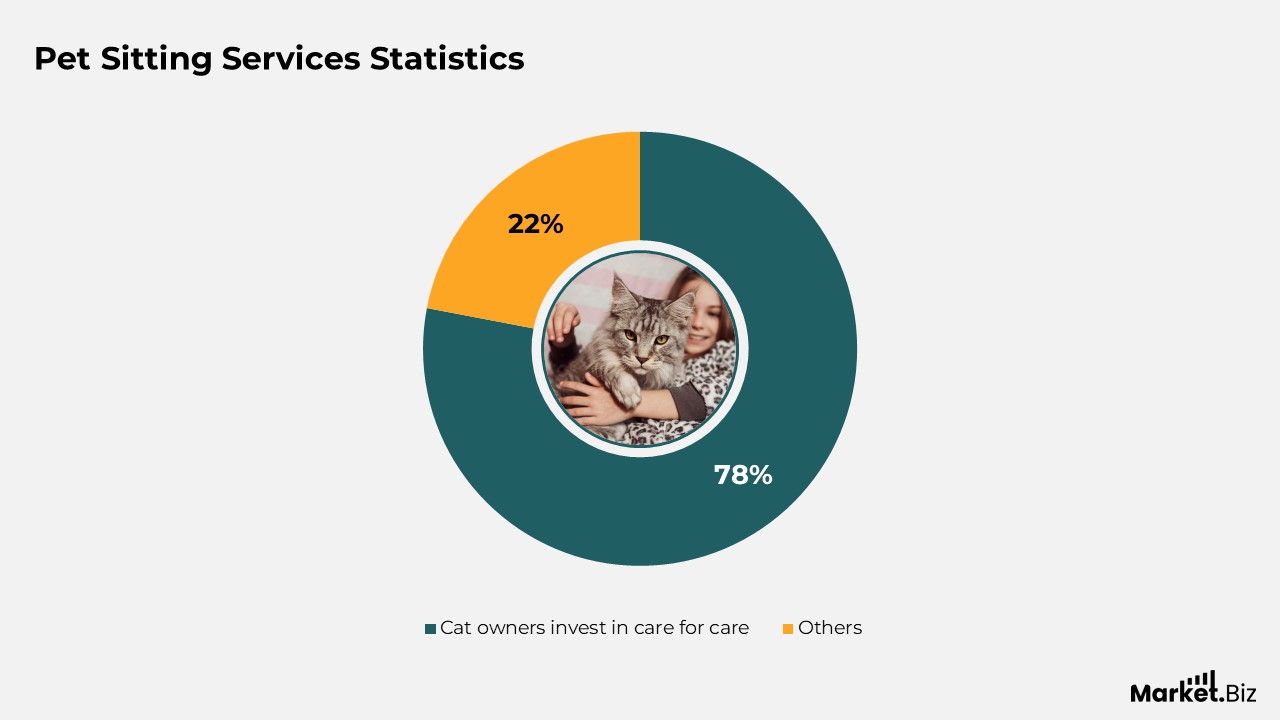
- 78% of cat owners invest in care for their cats while they are away.
- 22% of these owners had the option to request assistance from friends and family to look after their cat.
- An APPA survey conducted in 2022 indicated that 70% of households in the US own a pet, which translates to around 90.5 million homes.
- The average duration of a standard pet care visit in the US is 29.6 minutes.
Dog Sitting Services Statistics
- If medication is administered during an overnight stay, it usually incurs an additional charge of USD10–USD15 per night.
- 45% of overnight dog sitters offer early drop-off or late pick-up services for an extra fee ranging from USD15 to USD20.
- When a pet sitter provides house sitting services at your residence, the additional cost typically ranges from $20 to $30 per night.
- Dog sitters who include training during overnight stays generally charge 30–40% more than their standard rates.
- The additional fee for pick-up and drop-off services is typically USD10–USD15 per trip.
- If a dog is given a bath during an overnight stay, it typically results in an additional charge of USD20–USD25.
- Should the sitter walk the dog during the overnight stay, it generally costs USD10–USD15 for each walk.
- If the sitter sends updates and photographs during the overnight stay, there is usually an extra fee of USD5–USD10 per day.
- Dog sitters who offer training services during overnight stays usually charge 27–35% more than their regular rates.
- If the sitter takes the dog to the veterinarian during an overnight stay, it incurs an extra fee of USD25–USD30 for each visit.
- If the sitter prepares homemade meals for the dog during the overnight stay, it typically costs an additional USD10–USD15 per day.
Pet E-commerce Industry
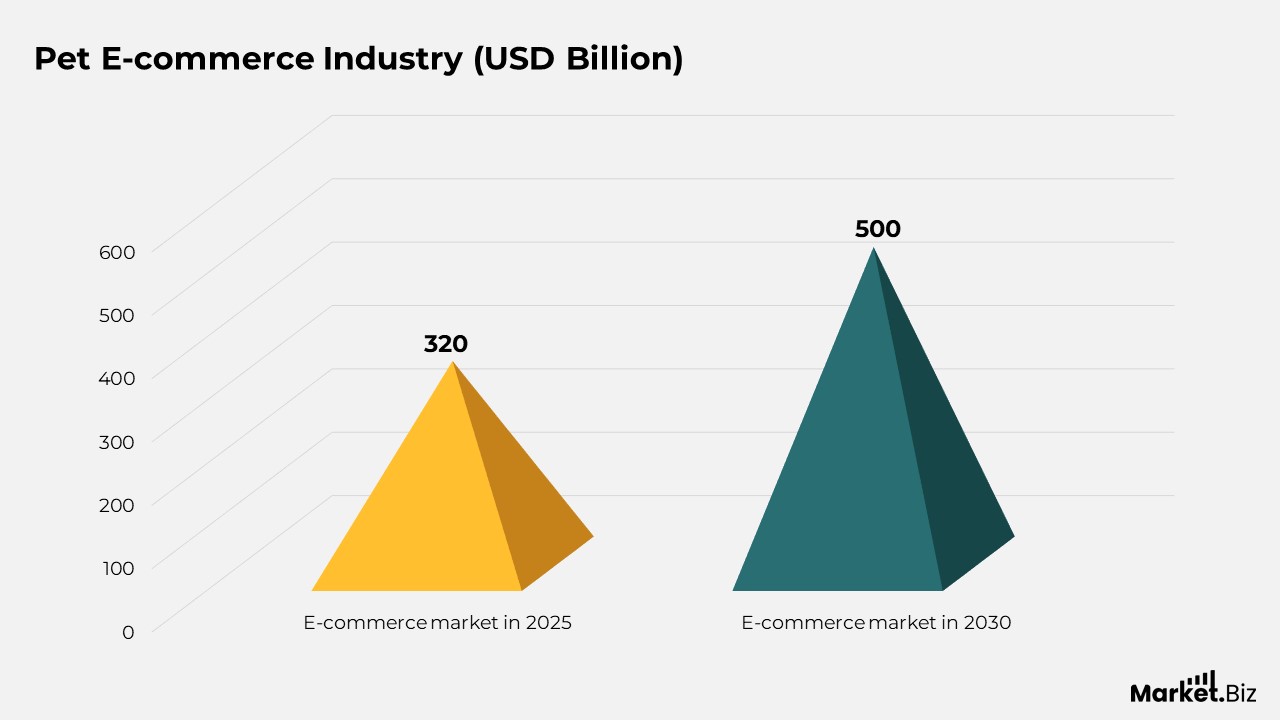
- The worldwide pet care e-commerce market is currently valued at $320 billion and is anticipated to expand to $500 billion by the year 2030.
- Forecasts suggest that e-commerce will represent 55% of the total U.S. pet food sales by the end of 2025.
- Projections estimate that Amazon’s e-commerce sales within the home and pet care sector will reach $39 billion by 2027.
- The online pet care market in the U.S. continues to experience a consistent upward trend annually.
- E-commerce is expected to constitute 40% of the total U.S. pet food sales, surpassing $21 billion.
- By 2027, the global household and pet care sector is predicted to generate $156 billion through e-commerce sales.
- The global pet care e-commerce market is projected to grow at a compound annual growth rate (CAGR) of 8.92% from 2023 to 2030.
- 30% of pet owners engage in shopping both online and in physical stores.
- 16% of pet owners exclusively shop online for their pets.
- Pet owners who prefer online shopping do so for reasons such as competitive pricing, convenience, and a wider selection of products.
- As a result of the pandemic, the share of e-commerce in U.S. pet food sales surged to 32% in 2020, exceeding the pre-pandemic forecast of 24% for 2025.
Industry Careers Statistics
- As of May 2023, the median annual salary for animal caretakers was $31,200, while animal trainers earned $38,810.
- Maryland boasts the highest average salary for dog trainers at $59,330 annually.
- According to the American Veterinary Medical Association, 7% of veterinarians would be willing to work additional hours if the opportunity arose.
- The employment rate for animal care and service workers is anticipated to increase by 15% from 2023 to 2033.
- 53% of veterinarians report that they have never contemplated leaving their profession.
- The American pet industry provides nearly 2.78 million jobs across the country, contributing over $260 billion to the economy.
- 66% of veterinarians express satisfaction with their working hours.
- Revenue in the pet industry more than doubled from 2018 to 2024.
- In 2023, the veterinary sector experienced an unemployment rate of just 0.5%.
- The employment of individuals in Pet Stores in the U.S. saw an average growth of 2.3% from 2018 to 2023.
- 1.6% of veterinarians are neither employed nor actively seeking employment.
- 38% of veterinarians are male, whereas 62% are female.
- The percentage of veterinary students from understated ethnic and racial backgrounds rose from 5% in 1980 to 25% in 2023.
Pet Sitter Demographic Statistics
- Pet Sitting Statistics reported that there are over 34,976 pet sitters employed in the United States.
- 19.7% of these pet sitters are men, while 3% are women.
- The average age of a pet sitter is 31 years.
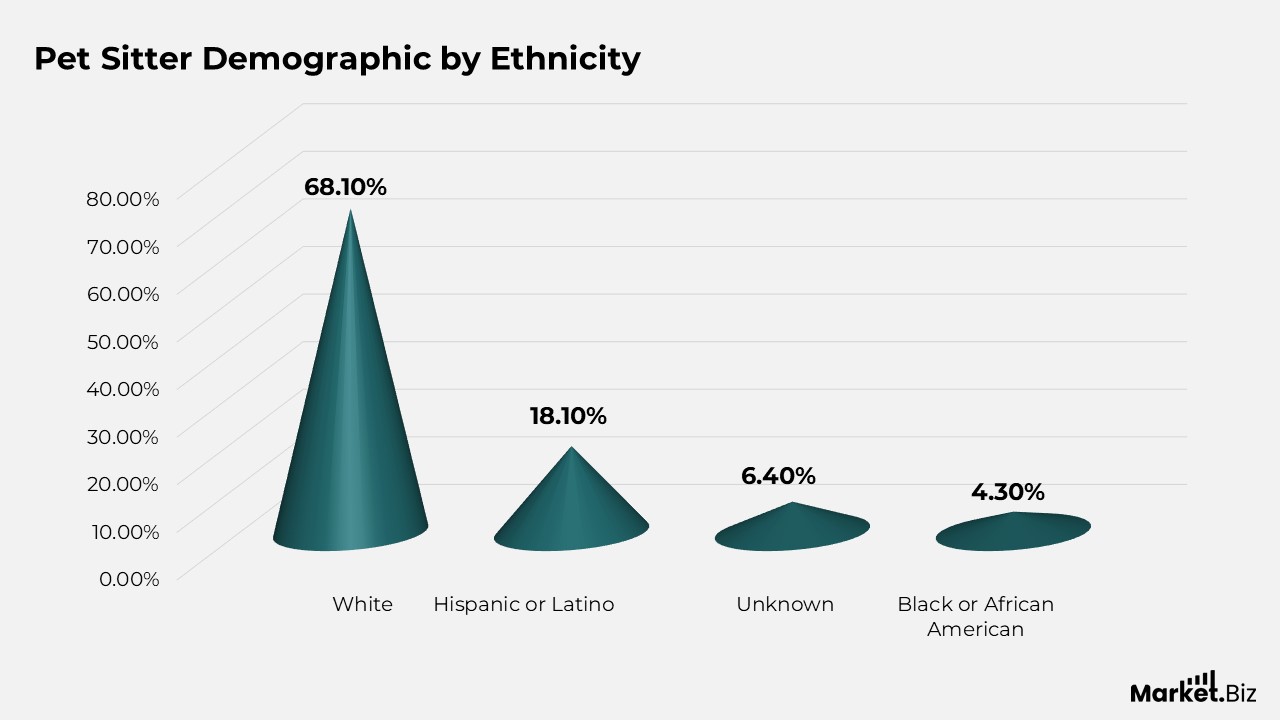
- The majority of pet sitters are White (68.1%), followed by Hispanic or Latino (18.1%), Unknown (6.4%), and Black or African American (4.3%).
- Atlanta, GA, exhibits the highest demand for pet sitters.
- The nonprofit sector offers the best compensation for pet sitters.
- The most prevalent educational qualification among pet sitters is a bachelor’s degree, which is held by 45% of them.
- The second most common educational attainment is a high school diploma, with 22% of pet sitters possessing this credential.
- Newport, RI, provides the highest average salary for pet sitters, amounting to $35,013 annually.
- In 2022, female pet sitters earned 97% of the income that their male counterparts received.
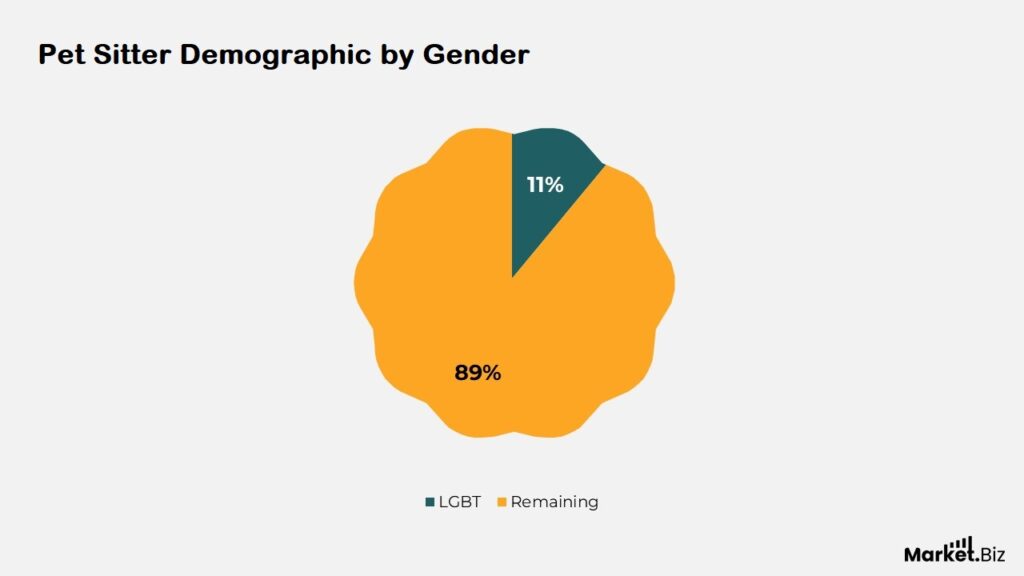
- Pet Sitting Statistics indicated that nearly 11% of pet sitters identify as LGBT.
- Connecticut ranks as the leading state for pet sitters to reside in.
- Pet sitters are 83% more inclined to be employed by private companies compared to public ones.
Future of Pet Sitting Industry
- The pet daycare industry is projected to expand by 8% annually until 2032.
- Pet daycare services faced significant challenges in 2020 and 2021; however, as individuals return to work, the market is recovering.
- Given that many individuals acquired pets during the pandemic, there exists a substantial opportunity for growth in this sector.
- Experts anticipate that pet daycare services will experience an annual growth rate of 8% over the next ten years.
- More than 75% of pet sitters foresee an increase in business in the upcoming year.
- The outlook appears favorable for pet sitters, as the majority expect to attract more clients.
- Pet Sitting Statistics reported that approximately 64% of pet owners intend to dedicate more time to their pets following the pandemic.
- The pandemic has contributed to enhancing the relationship between pet owners and their pets.
- A survey indicated that 64% of pet owners expressed their intention to spend more time with their pets post-pandemic compared to prior.
Conclusion
The worldwide pet sitting industry is set for significant expansion, fueled by a marked rise in pet ownership and shifts in consumer lifestyles that require convenient and professional pet care services. Improved service offerings, which encompass grooming, transportation, and specialized care, along with technological innovations, have rendered pet sitting more accessible and attractive.
Furthermore, the sector’s transition towards professionalization and the delivery of customized services addresses a diverse array of consumer needs, promoting a competitive and innovative market environment.
FAQs
Current market valuation: As of 2023, the market size of the pet sitting industry is estimated at $2.6 billion. This amount highlights the considerable demand and potential within the sector. The market is anticipated to expand by 10.5% over the next eight years, indicating a positive trend.
The most lucrative pet businesses typically include specialized services or distinctive products. Pet grooming, premium pet food and treats, luxury pet boarding, and the production of niche pet products and accessories demonstrate significant profit potential due to ongoing needs and high demand. Additionally, niche pet supplies, online curated shops, and pet training services present considerable opportunities.
Pet sitters frequently endure long hours without sufficient breaks, resulting in both physical and mental fatigue. Caring for pets requires emotional investment, particularly when managing sick animals or coping with the loss of clients’ pets.