









Introduction
Generational Differences in the Workplace Statistics: Generational differences in the workplace have become a critical factor in shaping modern organizational dynamics. With Millennials and Gen Z now making up over 60% of the global workforce, understanding the unique characteristics and preferences of each generation is essential.
Baby Boomers, Gen X, Millennials, and Gen Z bring distinct work ethics, communication styles, and technological adaptability. 75% of Millennials prioritize flexibility in the workplace, while Gen Z is the most diverse generation to date, placing a high value on inclusivity. Recognizing these generational gaps can help organizations improve productivity, engagement, and retention strategies.
Editor’s Choice
- Millennials and Gen Z will make up 75% of the global workforce by 2025, driving shifts in work culture.
- 74% of Millennials prioritize flexible work schedules, compared to just 35% of Baby Boomers.
- 92% of Gen Z are tech-savvy, comfortable using smartphones and digital tools, unlike 60% of Baby Boomers.
- 79% of Gen Z value work-life balance, significantly more than the 55% of Baby Boomers who prioritize it.
- 80% of Millennials are open to freelancing, while only 25% of Baby Boomers are receptive to gig work.
- 65% of Gen Z prefer mental health support in the workplace, a priority for just 35% of Baby Boomers.
- 90% of Gen Z use social media daily, far surpassing the 30% of Baby Boomers who engage on these platforms.
- 85% of Millennials believe technology enhances productivity, a sentiment shared by only 60% of Baby Boomers.
- 65% of Millennials seek flexible working hours, with 72% of Gen Z preferring hybrid or remote work.
- 75% of Gen Z prefer companies that align with their values on sustainability and social responsibility.
- 70% of Gen Z are comfortable with video conferencing, compared to just 50% of Baby Boomers.
- 50% of Gen Z expect salaries between $50,000-$70,000 for entry-level jobs, significantly higher than Baby Boomers’ $40,000-$50,000 range.
General Generational Differences Statistics
- 74% of Millennials prefer a flexible work schedule, compared to only 35% of Baby Boomers.
- 92% of Gen Z is highly comfortable using smartphones and digital tools, whereas only 60% of Baby Boomers report the same.
- 60% of Baby Boomers stay with the same employer for over 10 years, while 50% of Millennials switch jobs within 2 years.
- 79% of Gen Z values work-life balance, significantly more than the 55% of Baby Boomers who prioritize it.
- 65% of Millennials consider salary as the most important factor in choosing a job, compared to 40% of Baby Boomers.
- 60% of Millennials prefer on-the-job learning, while 50% of Baby Boomers prefer formal classroom training.
- 80% of Gen Z views workplace diversity as essential, compared to 55% of Baby Boomers.
- 70% of Gen Z prefers text and messaging apps for communication, while 65% of Baby Boomers prefer face-to-face or phone calls.
- 80% of Millennials are open to freelancing or gig work, compared to 25% of Baby Boomers.
- 85% of Gen Z believes technology enhances their productivity, a sentiment shared by only 60% of Baby Boomers.
- 65% of Gen Z prefer mental health support as a workplace benefit, a priority for only 35% of Baby Boomers.
- 60% of Millennials prefer a collaborative leadership style, whereas Baby Boomers tend to favour hierarchical leadership.
- 72% of Gen Z consider sustainability in their job choices, whereas only 45% of Baby Boomers do.
- 50% of Millennials report being unsatisfied with their jobs due to lack of advancement, while only 30% of Baby Boomers feel the same.
- 90% of Gen Z uses social media daily, compared to just 30% of Baby Boomers.
- In 2025, Millennials and Gen Z will make up 75% of the global workforce, reshaping workplace dynamics significantly.
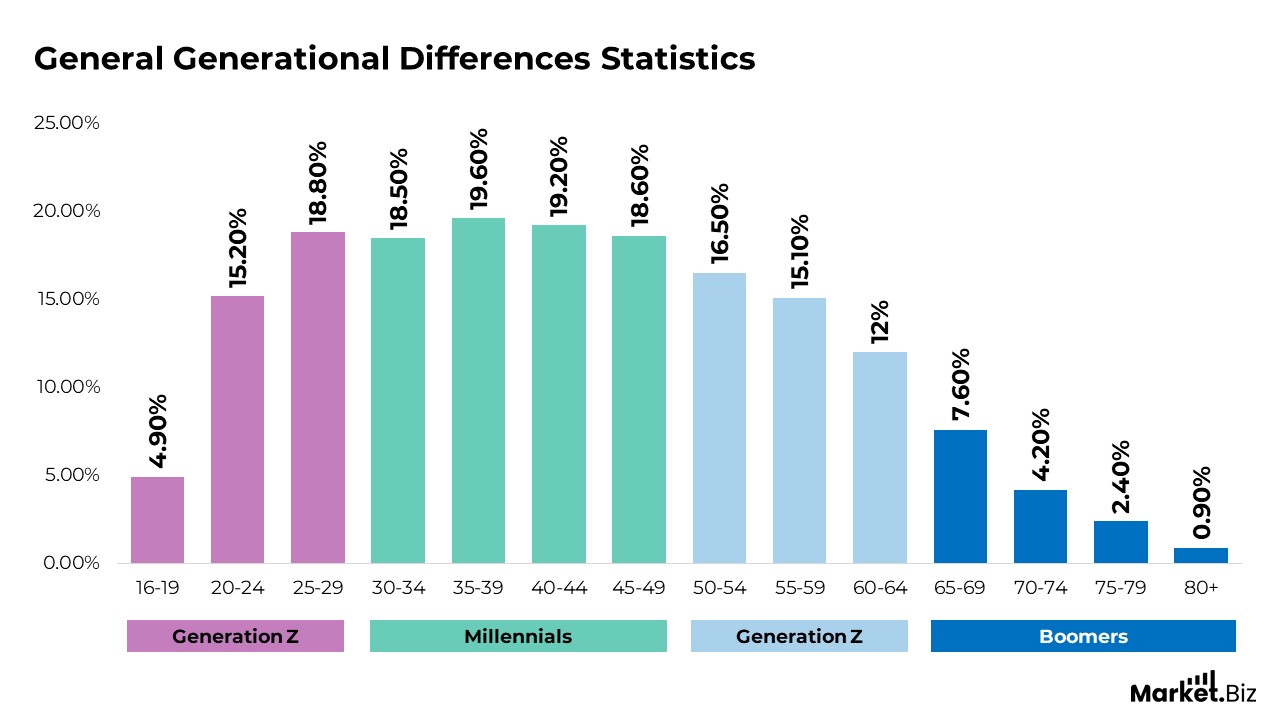
Rise of Millennials and Gen Z in the Workforce
- Millennials and Gen Z will make up 75% of the global workforce, significantly influencing work culture and trends.
- Millennials currently represent about 35% of the global workforce, and their numbers are set to grow as Baby Boomers retire.
- Gen Z, now entering the workforce, is projected to represent 30% of all employees by 2030.
- 92% of Millennials and Gen Z are digital natives, making them highly adaptable to new technologies and automation tools in the workplace.
- Over 75% of Millennials and Gen Z employees prioritize flexible working conditions, such as remote or hybrid models, compared to 55% of older generations.
- 87% of Gen Z uses social media for job searches, while 60% of Millennials rely on it as their primary platform for career opportunities.
- 70% of Millennials and 65% of Gen Z want to work for companies that align with their values, especially in areas like sustainability and social responsibility.
Moreover
- 60% of Millennials are likely to change jobs within three years, with 30% of Gen Z expecting to do the same in the next few years.
- 65% of Millennials prioritize competitive salaries in their job search, while 55% of Gen Z values salary as a key factor in their employment decisions.
- Millennials are taking over leadership roles, with 44% of managers now being from this generation, while Gen Z is beginning to step into entry-level positions.
- 80% of Millennials and 75% of Gen Z prioritize workplace diversity, making it a critical aspect of their employment decisions.
- 78% of Gen Z and 70% of Millennials consider work-life balance essential, compared to only 55% of Baby Boomers.
- The rise of Millennials and Gen Z is driving more inclusive, flexible, and technology-driven corporate cultures that emphasize collaboration and transparency.
- Nearly 50% of Gen Z and 40% of Millennials engage in gig or freelance work, contributing to the growing shift toward non-traditional career paths.
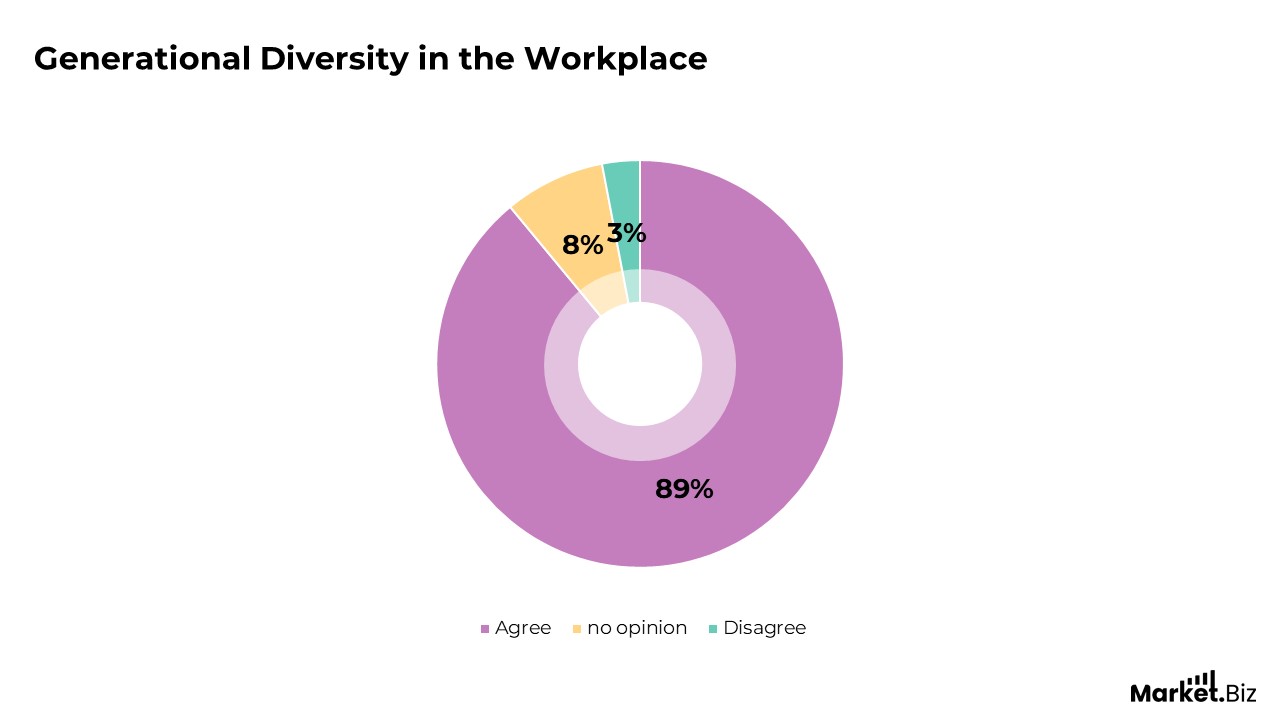
(Source: Livecareer)
Technology Adoption Across Generations
Millennials and Gen Z Technology Adoption
- 92% of Millennials and Gen Z are comfortable using smartphones, compared to just 60% of Baby Boomers.
- 90% of Gen Z use social media daily, while 70% of Millennials rely on these platforms for both personal and professional purposes.
- 85% of Millennials prefer to use digital tools like cloud storage and project management apps at work, compared to 55% of Baby Boomers.
- 80% of Gen Z and 75% of Millennials prefer streaming services like Netflix and Spotify over traditional TV or radio.
- 95% of Millennials and 85% of Gen Z have made purchases online, whereas only 50% of Baby Boomers have adopted e-commerce.
- 80% of Gen Z uses mobile apps for various tasks, including shopping and banking, while only 45% of Baby Boomers engage with such apps.
- Over 70% of Millennials own smart home devices like Amazon Alexa or Google Home, compared to only 30% of Baby Boomers.
- 78% of Gen Z prefers online learning platforms, while only 40% of Baby Boomers engage with digital education tools.
- 85% of Gen Z and Millennials use video conferencing for work, whereas only 55% of Baby Boomers feel comfortable with virtual meetings. Adoption by Millennials and Gen Z.
Technology Adoption by Generation X and Baby Boomers
- 80% of Gen X uses smartphones for work-related tasks, while only 45% of Baby Boomers adopt mobile work technologies.
- While only 40% of Gen X actively use social media for personal networking, Baby Boomers have a much lower engagement rate of around 15%.
- 70% of Gen X rely on cloud-based tools for work, compared to only 30% of Baby Boomers.
- Gen X is more likely to use workplace automation tools, with 65% reporting frequent use, compared to 35% of Baby Boomers.
- 70% of Gen X have shopped online, but Baby Boomers are far less likely, with only 50% having made online purchases.
- 55% of Gen X use fitness trackers or smartwatches, while only 25% of Baby Boomers use such devices.
- 50% of Gen X have used telehealth services, while only 25% of Baby Boomers have embraced this technology.
- 60% of Gen X manage their banking online, while only 40% of Baby Boomers engage in online banking.
- 65% of Gen X take part in online courses, whereas only 35% of Baby Boomers use digital platforms for education and skill-building.
Communication Preferences in the Workplace
- 70% of Millennials prefer digital communication methods (emails, chats) over face-to-face meetings, while only 45% of Baby Boomers feel the same.
- 65% of Gen Z prefer text-based communication like instant messaging, while 60% of Baby Boomers favour phone calls for work-related discussions.
- 80% of Gen Z are comfortable with video conferencing, whereas only 50% of Baby Boomers use it regularly for work.
- 72% of Millennials prefer quick, concise emails or messages, while older generations, like Baby Boomers, are more inclined to long-form emails.
- 60% of Gen Z consider asynchronous communication (email, recorded video) more efficient, compared to just 40% of Baby Boomers.
- 58% of Millennials prefer using collaboration tools like Slack or Microsoft Teams for team discussions, compared to 30% of Baby Boomers.
- 75% of Gen Z and Millennials are comfortable working with chat boats or AI assistants in the workplace, while only 35% of Baby Boomers are open to these technologies.
- 80% of Baby Boomers still prefer in-person meetings for discussing complex issues, while 60% of Gen Z and Millennials lean towards virtual meetings.
- 90% of Gen Z expect regular feedback via digital tools, such as project management apps, compared to 60% of Baby Boomers who prefer face-to-face feedback.
- 65% of Millennials and 70% of Gen Z say they feel more comfortable expressing opinions through written communication rather than in person.
- 60% of Gen Z and Millennials value the use of emoji’s and informal language in workplace messaging, whereas only 35% of Baby Boomers feel the same.
- 50% of Baby Boomers prefer direct phone calls for urgent matters, while only 30% of Millennials choose phone calls over instant messaging or email.
Generational Work Ethic
- 60% of Millennials value purpose over salary, often seeking roles that align with personal values, unlike Baby Boomers, who prioritize job stability and financial rewards.
- 76% of Gen Z and 70% of Millennials prioritize work-life balance, leading them to seek flexible or remote work opportunities, whereas only 45% of Baby Boomers place the same emphasis on balance.
- Baby Boomers are more likely to stay in one job for over 10 years (60%), while Millennials are expected to change jobs every 2-3 years, with 50% citing lack of growth opportunities as the primary reason.
- Millennials and Gen Z are more likely to use productivity tools, with 80% of Millennials utilizing apps like Slack or Asana, compared to only 50% of Baby Boomers.
- 64% of Gen Z show interest in starting their own business, reflecting a shift toward entrepreneurship, whereas only 40% of Millennials share this ambition.
- 65% of Millennials seek flexible working hours, and 72% of Gen Z prefer hybrid or remote work, highlighting their desire for control over their schedules, while Baby Boomers are less likely to seek such arrangements.
- 78% of Gen Z are comfortable multitasking and using multiple devices for work-related tasks, a stark contrast to 45% of Baby Boomers who prefer focused, single-task approaches.
- 70% of Millennials and 65% of Gen Z are driven by social and environmental causes, often seeking employers who engage in corporate social responsibility (CSR), compared to just 45% of Baby Boomers.
- 80% of Millennials prefer regular feedback to improve their performance, while Baby Boomers tend to prefer annual performance reviews, reflecting generational differences in how feedback is received.
- Baby Boomers tend to focus on long-term career stability and advancement, while 50% of Millennials are more likely to prioritize career changes based on evolving interests and skill development.
Remote Work on Different Generations
- Millennials, with 74% preferring remote work options, are far more inclined towards working from home compared to only 48% of Baby Boomers.
- While 70% of Gen Z favours a hybrid work model that combines both in-office and remote work, only 40% of Baby Boomers share the same preference.
- 60% of Gen X believe remote work boosts productivity, a sentiment shared by just 40% of Baby Boomers.
- Job satisfaction is notably higher for Millennials, with 72% reporting greater happiness when working remotely, compared to just 55% of Gen X and 45% of Baby Boomers.
- Remote work’s flexibility is valued by 58% of Gen Z, while only 38% of Baby Boomers prioritize this benefit.
- Working remotely motivates 65% of Millennials, but only 30% of Baby Boomers feel the same way about remote work
- 50% of Baby Boomers find remote work challenging due to technology and communication barriers, compared to just 30% of Gen Z.
- Long-term remote work appeals to 80% of Gen Z and 75% of Millennials, while only 40% of Baby Boomers are open to the idea of working remotely full-time.
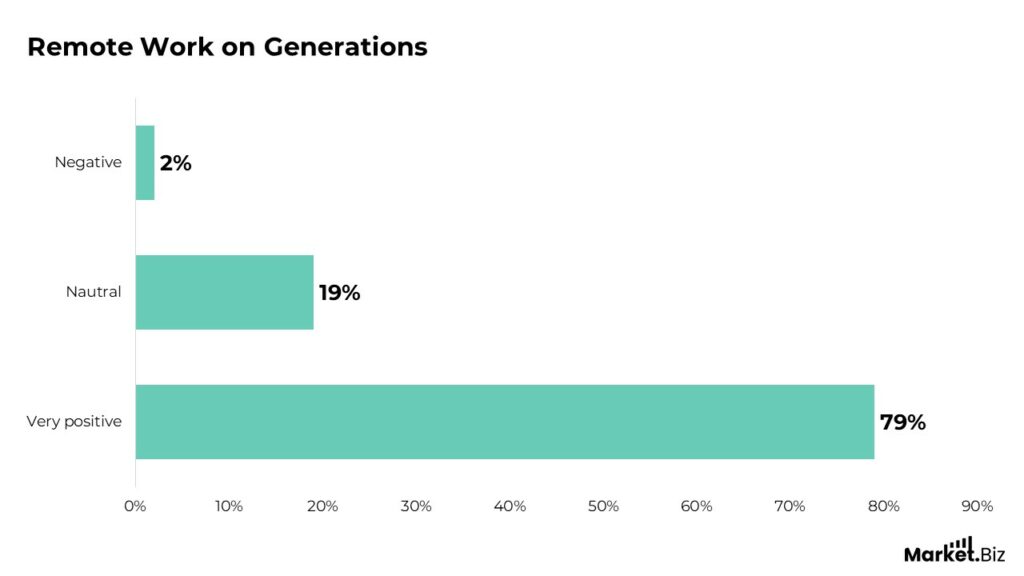
(Source: Livecareer)
Generational Salary Expectations
- Millennials, with 65% prioritizing salary as a key factor in job decisions, expect higher starting salaries than Baby Boomers, who are more focused on benefits and job security.
- Gen Z is seeking salaries 20% higher than Baby Boomers at the same career stage, with 55% expecting compensation that reflects their skills and education.
- 60% of Millennials expect salary increases based on performance, while only 40% of Baby Boomers share this expectation, preferring steady, long-term wage growth.
- 50% of Gen Z expect salaries in the range of $50,000-$70,000 for entry-level jobs, a significant increase from the $40,000-$50,000 range preferred by Baby Boomers.
- Baby Boomers, having experienced inflationary pay growth, are more focused on retirement benefits, with 70% valuing pension plans over salary increases, compared to just 40% of Millennials.
- 65% of Millennials and 70% of Gen Z believe employers should offer transparent salary ranges, while only 40% of Baby Boomers consider this a priority.
- 80% of Gen Z and 75% of Millennials are likely to negotiate salary offers, compared to just 55% of Baby Boomers who tend to accept the first offer.
- 55% of Millennials expect higher starting salaries due to their advanced education, with many expecting $10,000 more than Baby Boomers at the same career level.
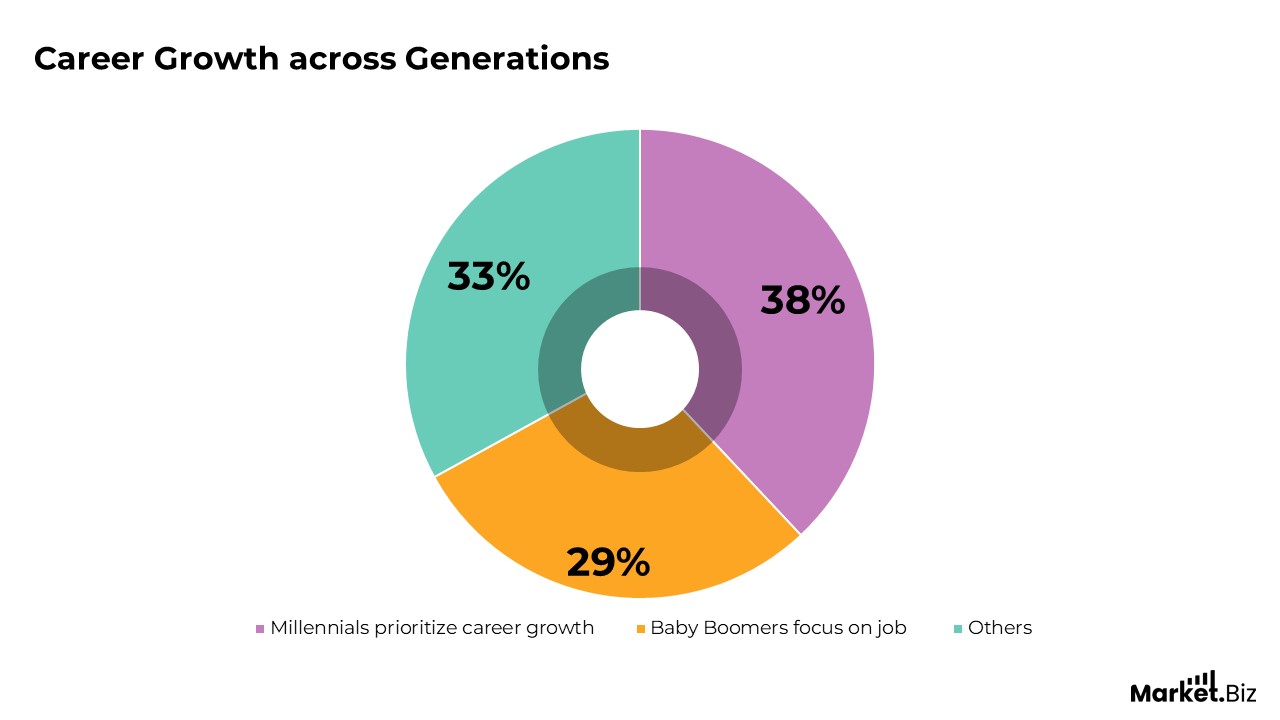
Career Growth across Generations
- 38% of Millennials prioritize career growth, while only 29% of Baby Boomers focus on job stability.
- 60% of Gen Z expect career progression within 2-3 years, compared to 40% of Baby Boomers.
- 65% of Millennials value learning programs, while only 45% of Baby Boomers consider them essential.
- 75% of Gen Z want mentorship opportunities, compared to 55% of Millennials and 35% of Baby Boomers.
- 80% of Millennials change jobs for better growth opportunities, while just 45% of Baby Boomers do the same.
- 50% of Gen Z seek skill-building opportunities, while only 30% of Baby Boomers prioritize this.
- 70% of Millennials prefer challenging roles, while 60% of Baby Boomers prefer stable, defined positions.
- 62% of Gen Z want clear career paths and feedback, compared to 40% of Baby Boomers.
- 50% of Millennials feel they need to change jobs for advancement, while only 35% of Baby Boomers believe in gradual progression.
- 65% of Gen Z aim for management roles within 5-7 years, compared to 40% of Baby Boomers.
Generational Impact on CSR
- 70% of Millennials and 65% of Gen Z expect companies to prioritize social and environmental issues, compared to 45% of Baby Boomers.
- 80% of Gen Z are willing to pay more for products from brands that support causes they care about, while only 50% of Baby Boomers feel the same.
- 60% of Millennials want to work for companies with strong CSR programs, while only 40% of Baby Boomers consider CSR when choosing an employer.
- 75% of Gen Z prefer brands that are transparent about their sustainability efforts, compared to 50% of Baby Boomers who may not prioritize this transparency.
- 68% of Millennials actively research a company’s CSR efforts before making purchases, compared to 45% of Baby Boomers.
- 55% of Millennials believe brands should take a stand on social justice issues, while only 30% of Baby Boomers agree with this stance.
- 65% of Gen Z are more likely to follow brands on social media if they promote sustainable or ethical practices, compared to 35% of Baby Boomers.
- 72% of Millennials believe that CSR initiatives impact a company’s reputation, whereas only 50% of Baby Boomers see CSR as influential.
- 60% of Gen Z believe corporations should use profits to address societal issues, compared to 40% of Baby Boomers, who are more focused on financial performance.
Time Management by Generation
- 75% of Millennials use digital tools like calendars and task managers to organize their time, compared to 45% of Baby Boomers who rely on traditional methods.
- Gen Z spends 50% more time multitasking with devices than Baby Boomers, who prefer focusing on one task at a time.
- 65% of Millennials and Gen Z report using time-blocking techniques to increase productivity, while only 40% of Baby Boomers implement similar strategies.
- 70% of Gen Z use productivity apps to manage their work and personal tasks, compared to just 30% of Baby Boomers.
- 60% of Millennials say they feel overwhelmed by work demands, often due to poor time management, while only 40% of Baby Boomers report similar feelings.
- Gen X, with 55% utilizing time-tracking tools, is more likely to track work hours than 30% of Baby Boomers, who do so.
- 72% of Millennials prefer a flexible work schedule to better manage their time, while only 50% of Baby Boomers desire similar flexibility.
- 60% of Gen Z believe time management tools improve their productivity, compared to 35% of Baby Boomers who are less inclined to use them.
- Baby Boomers typically plan their day the night before, with 65% preferring this method, while only 40% of Millennials and Gen Z follow the same habit.
- 50% of Gen Z report using short bursts of work (Pomodoro Technique), compared to only 30% of Baby Boomers who prefer longer, uninterrupted work periods.
Conclusion
The generational shift in the workforce is significantly reshaping organizational dynamics, with Millennials and Gen Z set to make up a substantial majority of the global workforce in the coming years. These generations prioritize flexibility, with many preferring remote or hybrid work models, in contrast to the more traditional Baby Boomers.
Technology adoption is also a key differentiator, as Gen Z, in particular, is highly comfortable with digital tools and platforms. Additionally, values such as work-life balance, mental health support, and diversity are increasingly important for talent acquisition and retention. Companies that align with these priorities will be better positioned to attract and retain top talent, ensuring future growth and innovation.
FAQs
They prioritize flexibility, work-life balance, and diversity, reshaping work environments. This shift leads to more inclusive, adaptable, and collaborative workplace dynamics.
Gen Z and Millennials are highly tech-savvy, while Baby Boomers are less comfortable with digital tools. Younger generations seamlessly integrate technology into their daily work tasks, improving efficiency.
Millennials and Gen Z value remote work and work-life balance more than older generations. They seek autonomy over their schedules, allowing for better productivity and personal well-being.
Younger generations expect higher starting salaries and transparency, while Baby Boomers focus on job security. Millennials and Gen Z also prioritize performance-based salary increases and negotiation.
Diversity is a key factor for Gen Z when choosing employers, reflecting their strong values for inclusivity. They seek workplaces that foster equality and representation across various demographics.