









Introduction
HR Compliance and Legal Issues Statistics: HR compliance today has evolved into one of the most important priorities for organizations in the wake of today’s complex regulatory environment. For example, in just 2023 alone, the U.S. Equal Employment Opportunity Commission reported over 67,000 workplace discrimination charges.
Violations of labour laws such as the Fair Labour Standards Act (FLSA) and Occupational Safety and Health Act (OSHA) could incur fines equal to above $100,000 for every offense. 58% of HR professionals are having difficulty in keeping pace with the ongoing evolution of employment laws. Employment-related legal risks still rise from wage and hour disputes to illegal terminations.
One out of every five companies claims to have battled an employment-related lawsuit each year. Having proper, enforced, and documented policies together with training is factored into creating a preventive mechanism against these risks.
Editor’s Choice
- Even more than 67,000 claims of violations of rights were reported by the EEOC in 2023 and highlighting the increasing risks of legal representation in human resource management for organizations.
- Fines for violating the Fair Labour Standards Act and the Occupational Safety and Health Administration can be greater than $100,000 per violation.
- A majority of HR pros, or 58% of them, may rely on the myths associated with changing laws.
- One out of every five businesses finds itself embroiled in an employment lawsuit every year.
- $230 million paid in back wages for FLSA violations in 2022.
- 22% of all organizations have been sued by current employees.
- Small enterprises witness 2X as many lawsuits as large companies.
- Retaliation constitutes 56 percent of all EEOC complaints.
- In 2023, OSHA fined $85 million.
- 70% of companies skip regular compliance audits.
General Statistics
- Of the total, approximately $230 million was spent by employers in the United States in back wages that resulted from violations of wage and hour provisions of the Fair Labor Standards Act in 2022.
- The Hiscox Employee Lawsuits Survey says nearly 22% of organizations had lawsuits by current employees.
- Organizations that have not implemented compliance training programs are 2.5 times more likely to attract lawsuits.
- These usually cost an average of nearly $160,000 to settle, not including legal fees.
- The Labour Department received over 1,200 parental complaints under the FMLA in 2023.
- Based on the survey done by SHRM, 58% of HR professionals claimed that compliance law change was among the major problems.
- More than 40% of employers received some complaints in their workplaces that have been classified as harassment or discrimination.
- It is proven that small businesses with fewer than 100 employees are more than double the bigger organizations when it comes to suffering through any type of employment claim.
- Retaliation, which comprises more than 56% of all charges filed, is the most common EEOC complaint.
- In 2023, OSHA imposed penalties of more than $85 million against companies because of violations of safety regulations in the workplace.
Moreover
- More than 24000 complaints were recorded against employers under the ADA (Americans with Disabilities Act) last year.
- For each form that does not comply with I-9 employment eligibility verification measures, penalties can vary between $250 and $2,500.
- About 70% of organizations do not perform audits for compliance regularly, which augments their risk of facing lawsuits.
- In addition, California files more than 5,000 new employment lawsuits each year, cementing it as the national leader in terms of employment lawsuits.
- More than 80% of HR departments report not having systems automated to track compliance updates.
- According to estimates, each EEOC case takes an average of 10 months to settle, which usually negatively influences productivity and morale in an organization.
- Misclassification of contractors is costing millions in unpaid taxes for the IRS each year.
Further
- The other states joined in stating that “28% of employers have not updated compliance documentation related to remote work since the post-2020 period.”
- According to the report from the Labour Department, noise complaints increased by 15% in 2023 as employees became more aware of their rights.
- Some states require the training of workplace harassment as a law; however, 30% of companies are not in compliance with it.
- Settlements for gender pay violations have run into the hundreds of millions in class action lawsuits against employers.
- Refusal to pay overtime to hundreds of thousands of workers annually is one of the most common FLSA violations.
- Increased compliance risk is claimed by 43% of companies regarding the lack of clear employee handbooks due to outdated or missing documentation.
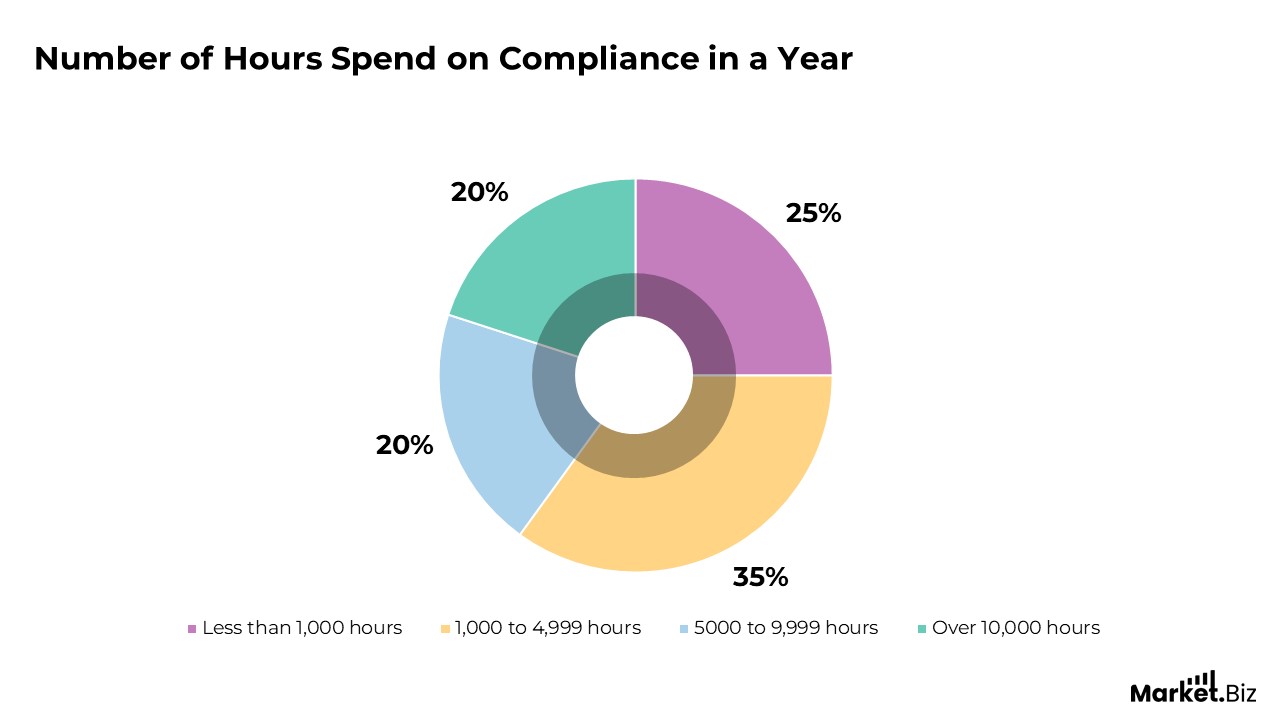
(Source: Drata)
Wage and Hour Law Compliance
- In 2022, the Department of Labour managed to recover more than $113 million in back wages affecting over 150,000 workers due to violations of the Fair Labour Standards Act.
- Minimum wage infractions constituted about one-quarter of all wage and hour cases that were filed last year, with most of those cases accounting for overtime infractions.
- According to IRS estimates, misclassification of employees as independent contractors accounted for a $6.4 billion loss in tax revenues.
- Wage theft, including unpaid overtime and off-the-clock work, is estimated to cost U.S. workers some $15 billion annually.
- Under the provisions of the Fair Labour Standards Act, overtime pay is legally prescribed at 1.5 times the regular rate of pay for any work done over 40 hours a week.
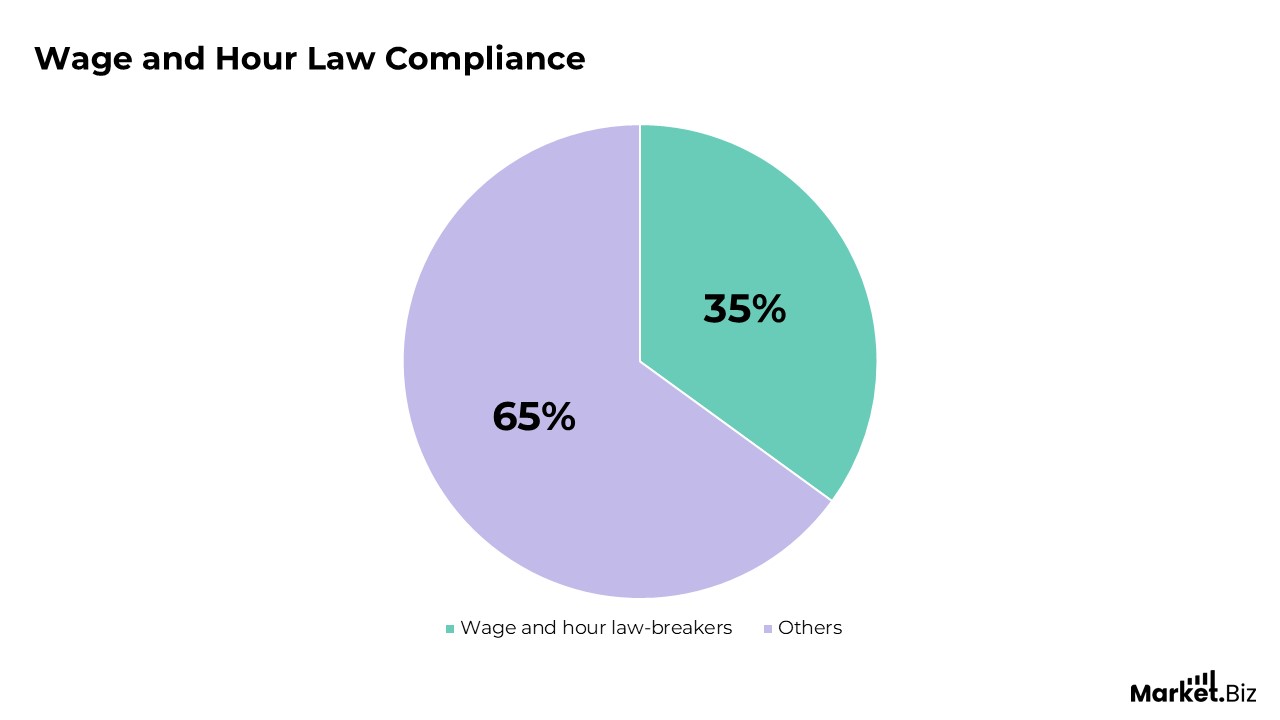
- Wage and hour law-breakers include mostly the retail and food services industries–35% of all reported violations.
- In 2023, about 70% or more of the employers audited by the DOL have one or more violations of wage-and-hour law.
- States such as California and New York have stricter wage laws that impose penalties above $10,000 per violation for repeat offenders.
- Not more than 40% of small businesses have any compliant time-tracking systems, which aggravates their risks of labour law violations.
Moreover
- Settlements in wage and hour actions averaged $8.2 million in 2022.
- Common examples of off-the-clock work that may miss compliance checkpoints include pre-shift setup and post-shift dismantling.
- Failing to furnish accurate wage statements is a violation in many states that leads to statutory damages of $50 to $250 for each employee.
- Intern classification mistakes have led to very prominent cases, especially in the tech and media industries.
- Meal and rest break violations are prevalent mainly in the healthcare and manufacturing industries.
- Another common area for noncompliance under FLSA relates to recordkeeping of work hours, notwithstanding that recordkeeping is obligatory under the FLSA.
- A salaried employee is not exempt unless it can be proved that they meets rigorous tests applied to his/her duties and earnings.
- The FLSA states the overtime exemption threshold as being $684/week or $35,568/year.
- More than 30 states have their own wage and hour laws, and companies must comply with both federal and state requirements.
- Self-auditing and training for HR compliance can lower the risk of wage violations by up to 60%.
Data Privacy and Protection Laws
- Last year, in 2024, there were more than 160 countries that had adopted and enacted any form of data privacy and protection legislation, thus showing a globally growing concern.
- Enforced from 2018, the General Data Protection Regulation (GDPR) has resulted in fines that exceed €4.4 billion.
- On November 21, the California Consumer Privacy Act (CCPA) can add a sum of up to $7,500 per intentional violation against thousands of U.S. businesses and individuals covered by CCPA.
- By 2023, 68% of organizations reported increased compliance costs associated with data privacy regulations over the past year.
- Globally, the total average cost of a data breach was reported to be $4.45 million in 2023, according to the IBM Data Breach Report.
- Loss of revenue or damage to reputations could result from failure to comply with data protection laws, because some 32% of consumers would avoid companies with inadequate privacy policies.
- However, unlike the GDPR, the LGPD imposes penalties of up to 2% of a corporation’s revenue (with a maximum of R$50 million per infraction)—much lighter penalties on the infract.
- Data minimization requires businesses to collect, retain, and process only that data which their business objectives specify as necessary.
Moreover
- 76% of IT professionals state that organizations must adopt data governance policies.
- Cross-border data transfer restrictions are enforced under laws like GDPR and China’s PIPL, creating legal hurdles for global businesses.
- Consent management is at the heart of the matter; it coexists with GDPR and provides for explicit and positive actions from individuals for the collection and utilization of personal data.
- In 2023, India enacted the Digital Personal Data Protection Act (DPDPA), stipulating Rs. 250 crores as a penalty for non-compliance.
- Children’s data is specially protected under laws such as the COPPA in the US, which requires verifiable parental consent for users under 13 years of age.
- In 2023, the EU-U.S. Data Privacy Framework allowed the transatlantic flow of data that would meet legal mandates. This was necessary because prior agreements were invalidated.
- Rights to be forgotten and to data portability are among the most exercised by data subjects in virtue of GDPR.
- In 2023, it was ascertained that 53% of the surveyed consumers would discontinue doing business with a company if data were misused.
Pay Transparency Laws
- As of 2024, over 10 U.S. states, including California, New York, and Colorado, have provisions that require posting the pay range in job advertisements.
- According to Colorado’s Equal Pay for Equal Work Act, salary ranges and benefits must be disclosed in all job advertisements throughout the state.
- 63% of job seekers are likely to apply to jobs that state salary information.
- California’s SB 1162 law requires employers having 15 or more employees to include pay ranges in all their job postings.
- The penalties imposed upon violators of the pay transparency law in New York City may amount to as much as $250,000.
- Around 75% of Gen Z and millennial workers look at salary transparency when making judgments about an employer.
- In the year 2023, enforcement began in Washington State for its salary disclosure requirements for employers with at least 15 workers, thus impacting thousands of companies.
- The EU Pay Transparency Directive, adopted from 2023 onward, allowed for operators to report on gender pay gaps and guarantee salary transparency.
Further
- An Indeed survey showed that only 2% of job seekers do not want compensation shared upfront in the hiring process.
- Laws requiring pay transparency go to the heart of closer equality in pay between individuals in the country, where women still earn 84 cents to the dollar in men’s salaries on average.
- Nevada’s pay transparency law, which came into effect in 2021, requires that salary ranges be disclosed by first employers and then, as a matter of course, after an interview.
- Connecticut law requires disclosure of salary ranges to applicants before or at the time of extending an offer.
- The Rhode Island Equal Pay Law mandates disclosure of pay ranges at the point of hire or when an employee changes positions.
- Companies with transparent pay practices have up to 30% greater levels of confidence than others that do not employ these practices.
- The Illinois Pay Transparency Act-now under proposal-requires employers to perform the declaration of bonuses, benefits, and pay ranges in 2025.
Telecommuting and Labour Laws
- State telecommuting labour laws are bound to change, given that at least 35% of Americans were engaged in full-time or part-time remote work in the year 2024.
- The FLSA, or Fair Labour Standards Act, requires overtime pay to homebound employees just as it does for any non-exempt employee.
- 62% of human resource leaders had to amend the employee handbook to fit the remote policy.
- Remote employees in one state will activate multi-state compliance requirements for their employers, thanks to the different state labour laws.
- OSHA mostly recommends that companies ensure their staff have home office ergonomics, but inspections hardly ever occur.
- Rest and meal breaks still apply to remote employees, especially in a very demanding state like California, and must be accounted for.
- Legally, 15% of companies experienced problems in 2023 with unpaid activities for their remote workers on the clock.
- Unqualified precision is made necessary for tracking non-exempt remote employee time under federal law for all employers.
Moreover
- Under the Americans with Disabilities Act (ADA), reasonable accommodation could be that remote work has made it possible.
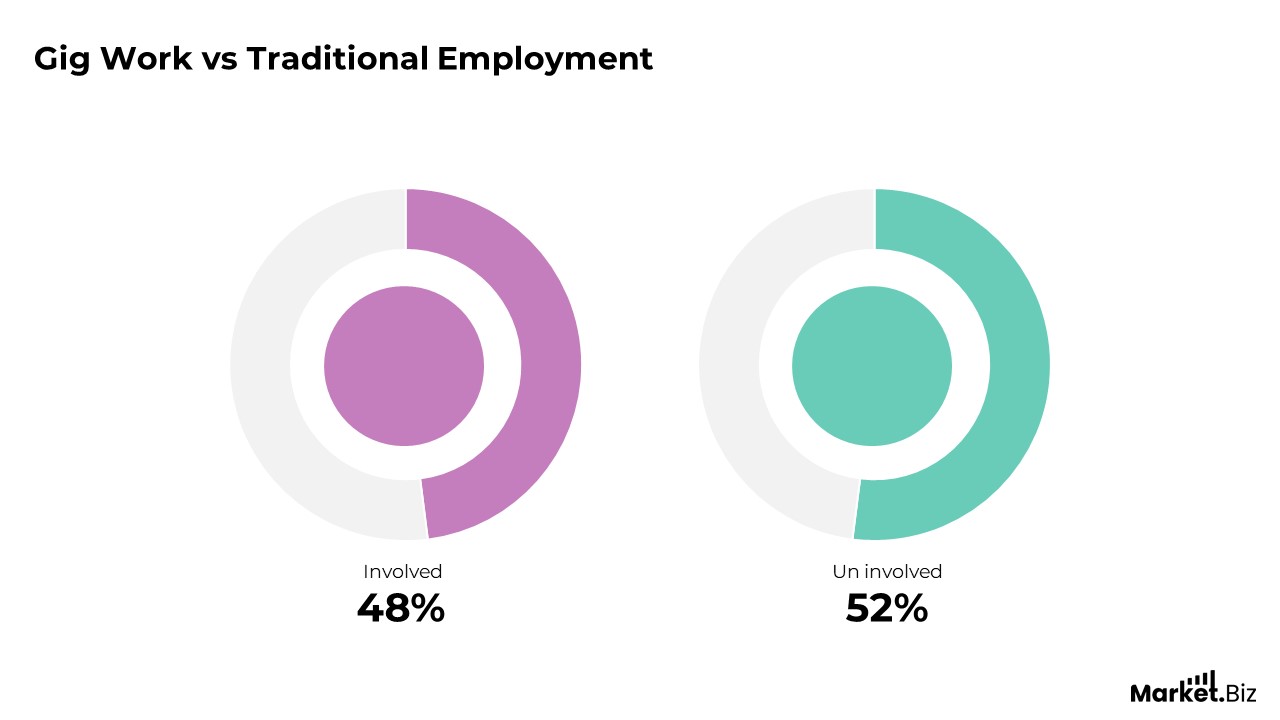
- Almost half, 48% of remote workers involved in wage and misclassified hour issues.
- Cross-border remote workers create nexus laws that require registration and taxation in more than one customer state.
- Policies regarding cybersecurity and data privacy align with rules concerning employment law and data protection, for example, GDPR and CCPA.
- 41% of companies adjusted their telecommute policies to include reimbursement for the cost of equipment.
- States such as Illinois legally require employers to reimburse remote workers for the portion of Internet and phone use that pertains to business.
- EEO laws do not speak of any location and, therefore, remote work should not discriminate based on such location differences.
- Remote employees’ benefits and protection will equal those employed onsite, except for those that are aimed at them, such as sick leave and FMLA.
Employee Misclassification
- The preparation of payroll turns out to be one big mess since it concerns nearly 3 million employees every year in the U.S.
- Overtime pay denies over misclassification would lose $15 billion per year from that one misclassification.
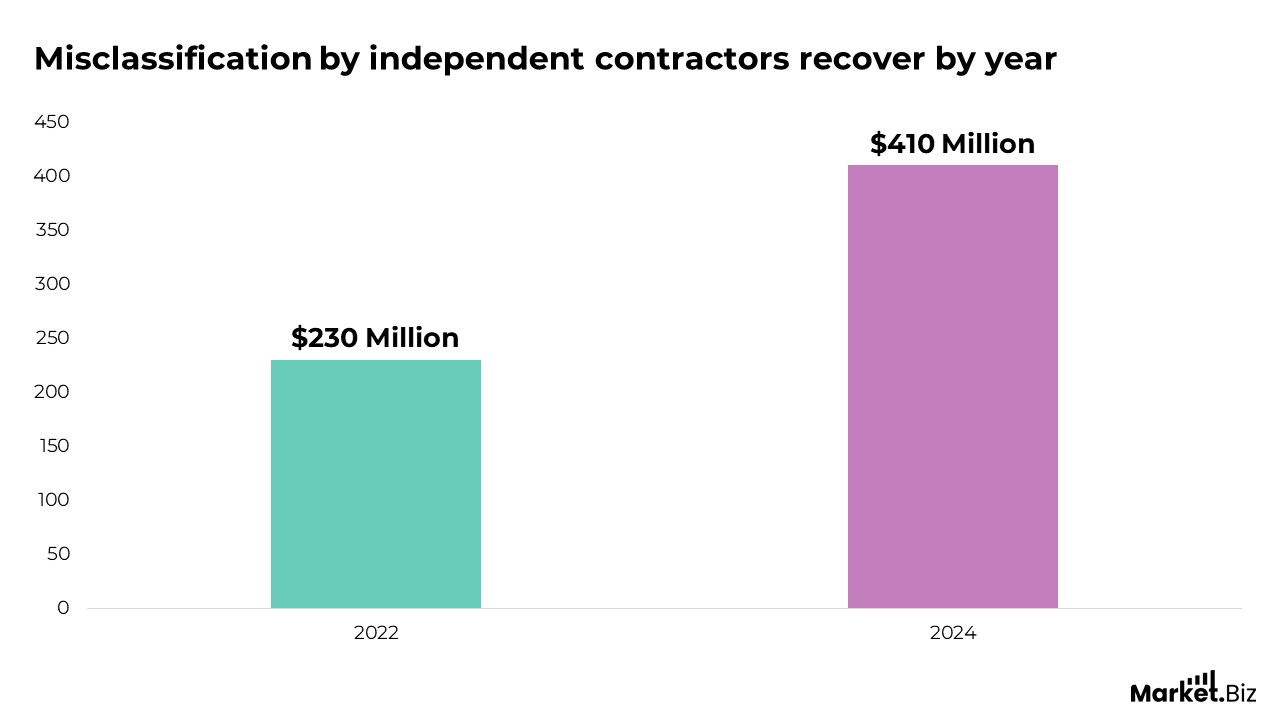
- Misclassification by independent contractors recovered about $230 million in back wages in 2022 by the U.S. Department of Labor.
- In addition, the FLSA imposes a penalty of $1,000 for each misclassification and then $10,000 for other repeat violations.
- Over 5,000 such cases of misclassification against independent contractors were filed alone in 2023 by the California Labour Commission.
- Most of the time, a misclassified employee loses out on all the basic benefits given to employees, such as medical plans, retirement plans, and paid leave.
- 27% of firms misclassify workers; ignorance of the complex labour laws emerged as the main defence for such wrongful conduct.
- Reports further note that $7 billion of payroll taxes a year “disappear” from the IRS for such ritual misclassification of workers as independent contractors.
- Misclassification by Uber and Lyft drivers may lead the latter to face class-action lawsuits, since that is just how much the case is suited.
- Past audits by the IRS would show enough unpaid payroll taxes owed by employers who have misclassified workers as independent contractors in the millions.
- Massachusetts and New Jersey impose even stricter burdens on businesses trying to classify workers as independent contractors by requiring the satisfaction of all three prongs of the ABC Test.
- In 2023, about 40% + of employers were continuing to classify a worker as a misclassification to avoid labour benefits such as paid time off or retirement contributions.
- Misclassified independent contractors are the second most dominant form of FLSA violation.
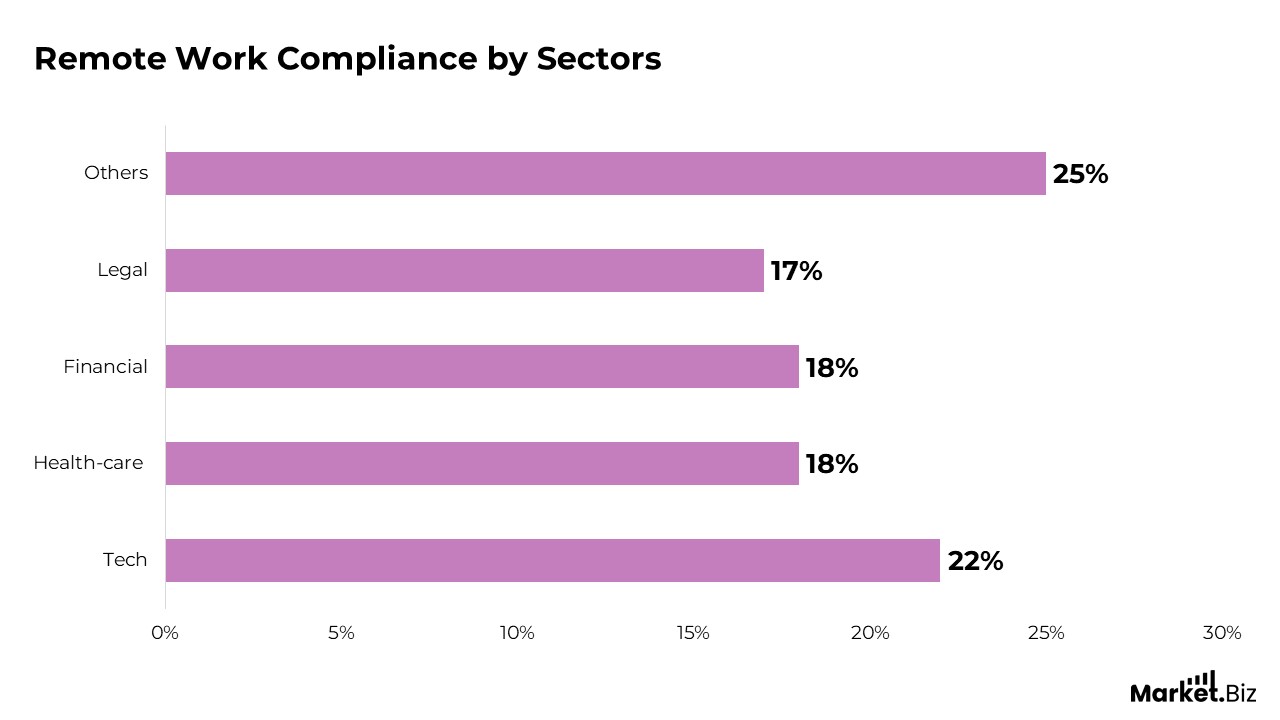
Remote Work Compliance by Sectors
- 22% of tech companies manage compliance with the laws of labour and data that apply across many states.
- 18% of healthcare jobs are now considered teleworking jobs, which creates a need for HIPAA enforcement.
- 18% of financial firms apply SEC and FINRA standards to remote systems and personnel.
- 10% of U.S. schools made the transition to remote staff models, creating the need for FERPA compliance.
- 17% of legal companies enforce ABA confidentiality protocols in remote settings.
- 11% of retail firms have systems set up to track breaks and wages for remote compliance with FLSA.
- 43% of federal workers work remotely under the FISMA compliance framework.
- 52% of insurers have adjusted for state licensing laws concerning remote employee supervision.
- 48% of consulting firms have to face GDPR compliance issues with their remote teams operating globally.
- 36% of manufacturing firms apply OSHA standards regarding home setups for remote engineers.
Pregnancy Discrimination Act Compliance
- The Pregnancy Discrimination Act has covered more than 70 million working women in association with pregnancy-related bias in the U.S. since 1978.
- The EEOC received over 3,100 pregnancy discrimination claims in 2022.
- Title VII made it a legal requirement of the PDA for employers having 15 or more employees.
- Termination or demotion due to pregnancy accounts for 33% of reported cases.
- 25% of women faced decreased working time or decreased working duties because of their pregnancies.
- Not accommodating the pregnant woman may constitute a violation of the ADA in light of Young v. UPS (2015).
- The PDA thus requires that pregnant employees receive equal treatment in hiring, pay, and promotion as employees who are not pregnant.
- 12 states have increased protections to require reasonable accommodation for pregnancy.
- Denying light-duty work to pregnant employees may result in federal penalties for non-compliance.
- One in four mothers goes back to work without taking time off as mandated by law through leave or use of accommodations.
- It is important to train the HR staff on pregnancy rights to save the organization from the high costs that come with lawsuits or settlements by the EEOC.
Americans with Disabilities Act Compliance
- For the ADA, 61 million adults are counted in the U.S., and therefore, access and accommodation in employment are obligatory.
- The ADA Title I requires any employer with a minimum of 15 employees to provide reasonable accommodations.
- In the year 2022, the EEOC received more than 25,000 complaints concerning litigation due to disability discrimination under the ADA.
- For a first ADA violation, there can be a civil fine of no more than $75,000, and that can rise to $150,000 for subsequent violations.
- The ADA Amendments Act of 2008 was aimed at broadening the definition of “disability” and thus increasing the obligations of employers.
- The remaining compliance issues relate to the fact that only 39% of employers in the U.S. have a digital hiring platform that is fully accessible.
- Currently, remote work options are considered a form of reasonable accommodation in many ADA-related scenarios.
- Key strategies for HR groups include training on ADA rights and designing the workplace to obtain full accessibility compliance.
Conclusion
An increasing number of discrimination complaints in the workplace, as well as complexities in labour and the risks involved in compliance with human resources laws, are major difficulties. Serious penalization under laws like the Fair Labour Standards Act (FLSA) and with the Occupational Safety and Health Administration (OSHA) could lead companies to fines for every single offense.
Increased burdens are also brought to the HR professionals with fast-evolving regulations, while a considerable portion of organizations, every year, face challenging cases in courts with million-dollar settlements. The following compliance issues deal with wage theft and data privacy violations and have resulted in expensive legal costs. Training of employees, regular audits, and compliance documentation that are kept up to date would help mitigate all these costs.
FAQs
The most common risks are discrimination, wage violations, and data breaches, which can ultimately lead to very expensive lawsuits. These organizations need to keep adapting to the moving trend of updated laws just to be able to resolve these risks.
Regular training on compliance, management updates on company policies, and regular audits will help organizations to lessen legal risk. Proactive approaches will help avert expensive lawsuits and create safer workplaces.
Most states have different laws to abide by, so it is challenging to know which data has to be kept private. This means equal treatment under labour regulation. Employers must ensure compliance in diverse work environments.