









Introduction
HR Statistics: In 2025, HR professionals face a fast evolving landscape, shaped by technology, changing work dynamics, and unstable employee expectations. Staying up-to-date with HR statistics and trends is necessary for businesses to remain competitive and attract top talent.
From AI-driven recruitment tools to remote work innovations, understanding the latest HR trends is key to improving employee experience, boosting retention, and enhancing overall workplace productivity.
In this article, we’ll explore the most important HR statistics and trends you need to know for 2025, helping you navigate the future of human resources with confidence and strategy.
Key Takeaways
- Statistics reveal that 73% of employees are currently working from home or remotely, with 32% preferring to continue doing so long-term.
- Employers who offer flexibility in work locations will have a competitive advantage, as 20% of employees would quit their jobs if hybrid or remote work is no longer available.
- With 75% of employees experience burnout, and 95% of HR managers agree it’s a major issue for retention.
- With 31% of recruiters planning to adopt AI in 2025, the use of these tools to identify skilled candidates is set to rise.
- 40% of recruiters believe AI will make their job more challenging due to rapid technological advancements.
- Employee engagement directly impacts productivity and retention, with companies that engage employees effectively generating 147% more revenue than their competitors.
- Recognition plays a crucial role in employee satisfaction, with 37% of workers stated it as the most important factor for success.
- According to 43% of HR directors, they do not have a clear plan for the future of work.
General HR Statistic
- The “U.S. Bureau of Labor Statistics” research said that employment of HR professionals is expected to grow 8% between 2023 and 2033.
- There were about 8.1 million job openings in the end of November 2024. And, the number of hires were about 5.3 million.
- In 2023, organizational changes caused burnout in 45% of employees.
- The goal of 53% of HR managers is to lessen this burnout. However, many employees are doubtful that their employers will be able to make organizational changes after COVID-19.
- According to Forbes, in 2024, 37% employers were working remotely, and experts predict this number will continue to rise in 2025.
- While most HR managers recognize the importance of company culture, but aligning the vision with reality is often easier said than done for most HR’s.
- Gartner research shows that 57% of HR leaders believe their managers don’t drive company culture.
- 53% say leaders don’t feel responsible for demonstrating cultural values.
- Companies viewing employees as just workers is a growing issue in the workforce.
Further
- 83% of employees want their company to see them both as an individual and as an employee, yet only 45% of employees believe their employer sees them that way.
- According to Forbes, the average HR to employee ratio is 2.57.
- Companies need 1.4 HR staffs for every 100 employees. For small organizations and companies, the ratio is even higher, at 3.4. However, medium and large organizations have too few staff at around 1.22 and 1.03 respectively.
- 60% of HR leaders say that increasing executive effectiveness is part of their strategy to improve the future of work in 2025.
- According to the Cloud Pulse, by 2024, 98% of businesses will use online professional development tools to train their employees.
- Forbes research shows, 62% of employees are satisfied with their jobs. However, despite this high level of satisfaction, 43% are open to other employment opportunities.
Recruitment Statistics
Recruiting challenges
- According to Monster Jobs, 31% of recruiters say they will increasingly use AI and similar technologies in the recruiting process.
- 40% believe their job will become more difficult as they have to keep up with advances in AI and other technologies.
- 40% of recruiters believe AI will make the search process more efficient by identifying candidates with the right skills.
- 24% of companies don’t have a strategy for promoting from within the sectors.
- Hiring internally can save companies a lot of money on recruiting, but without clear guidelines, the process can be frustrating for both employers and employees.
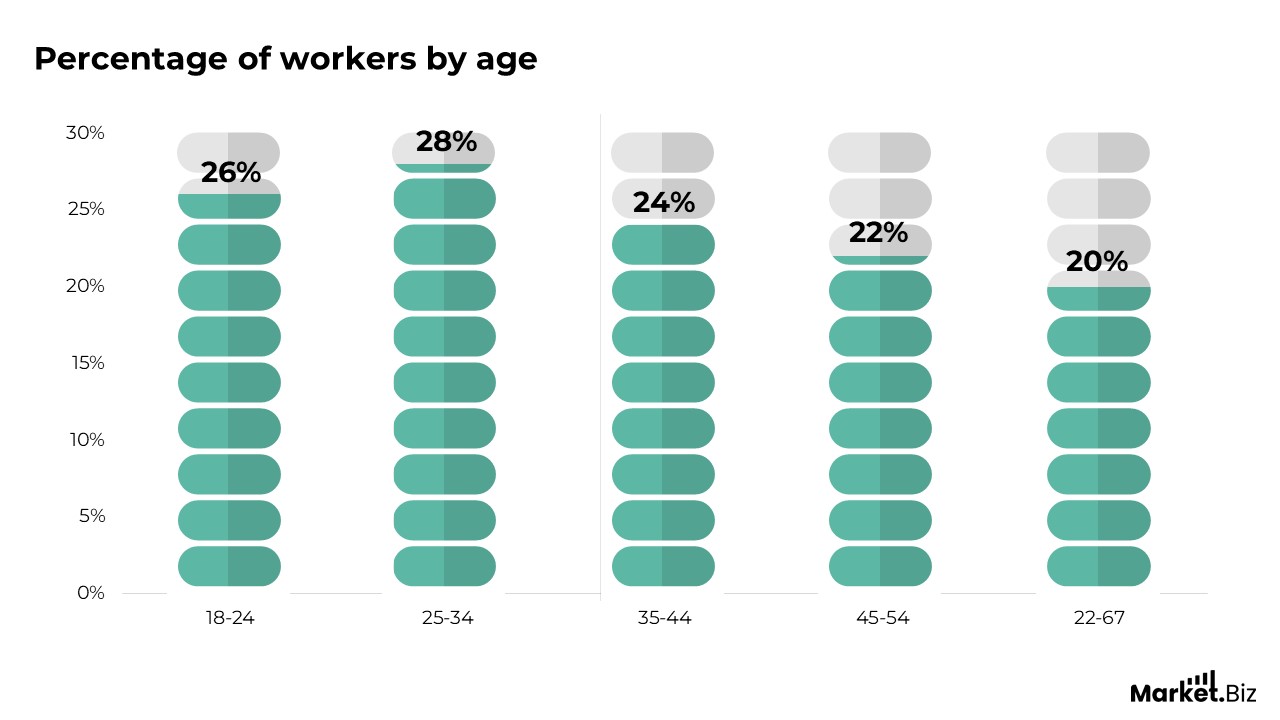
- Recruiters offering flexible/remote working are almost 50% more confident in finding the right candidate for their open role than those offering onsite working (68% vs. 46%).
- According to Employ’s 2023 Recruiter Nation Report, recruiters reported that their biggest challenges in 2023 was not having enough candidates to fill vacancies (31%).
- The same report said, the competition that recruiters faced from other recruiters was 30%.
- 25% recruiters are not being able to keep up with salary requirements
Recruiting Process
- According to the Criteria survey 54% of candidates abandon the recruiting process due to poor communication from the recruiter.
- According to a global report from Monster, 93% of employers plan to hire new employees in 2025, and 41% are looking to fill new positions.
- Younger recruiters are the biggest supporters of virtual interviews, with 61% of Gen Z recruiters preferring virtual interviews compared to 26% of Millennials, 13% of Gen X, and 6% of Boomer recruiters.
- A research from Employ says, about 82% of employees want more employers to provide salary and benefits information in job ads.
- 74% of employees say they would feel more confident in negotiating salary if the job description included a salary range for the position.
- As of 2024, 57% of recruiters’ strategies was focused on talent retention rather than talent acquisition.
- 26% of recruiters’ focused on simply filling positions rather than strategic diversity hiring.
- According to Forbes, 77% of workers say they would accept a job without visiting a physical office.
- 18% of people say they aren’t sure whether to accept a job without seeing the office, and 5% would definitely say no.
Employee Engagement Statistics
Use the below stats to guide your employee engagement and retention efforts:
- According to the research conducted by Forbes, 65% of employees say they are satisfied with their current job.
- Happy employees are 13% more productive.
- 70% of employees say their work is meaningful. As an HR professional, part of their responsibility is to help their employees find purpose.
- Complete recruiting leads to 33% greater employee engagement at work.
- A positive recruiting experience makes employees 18 times more loyal to the company and 38% more effective at work.
- With more engaged employees, a company can generate 147% more revenue than the other competitors.
- Dis-engaged employees reduce a company’s profitability by 15%. That’s 34% of a dis-engaged employee’s salary. With an average salary of $47,000, that could translate into a loss of about $16,000 per year per disengaged employee.
- Companies with highly engaged employees have 21% higher profits.
- Companies with highly engaged employees have a 17% increase in productivity.
Diversity and Inclusion Statistics
- 3.5% of people with disabilities are unemployed.
- According to U.S. Census Bureau Minority groups will become the majority by 2044.
- 48% of Gen Z is ethnically diverse, with most identifying as a minority.
- According to Gallup data, 1 in 4 black, Hispanic and Latino workers experience discrimination in the workplace.
- Harvard University research shows that blind applications increase a woman’s chances of being hired by 25-46%.
- 58% of women employees report experiencing pay discrimination.
- 91% of employees say they are engaged in their work when they feel like they belong.
- When analysing businesses and employment offers, 76% of workers and job seekers believe that having a diverse workforce is essential.
- 37% of job seekers said they would not apply for a position at a company where employee satisfaction varies by race or ethnicity.
- Employees and job seekers trust their co-workers the most, far more than management (19%), company websites (9%) and recruiters (6%).
- 32% of employees say they would not apply for a position at a company that does not have a diverse workforce. Compared to white job seekers and employees (30%) and LGBTQ job seekers and employees (41%).
Employee Retention Statistics
- 37% of employees believe employee recognition is important.
- 12% employees believes that recognition is more important than more autonomy, more inspiration (12%) and higher pay (7%) as the most important action employers can take to help employees succeed.
- 75% of employees suffer from burnout.
- Nearly 40% of workers report experiencing burnout during the pandemic, which could be due to 37% of employees working longer hours.
- 43% of female HR managers suffering from burnout compared to 31% of male HR managers.
- Bureau of Labor Statistics said the average turnover rate in the United States was 3.8% in 2023.
- Same report stated that 2.5% of turnover is due to firings and about 1% is due to leaves and layoffs.
- The average length of time that an employee has worked for a company is 4.1 years.
- Employees aged 55 to 64 years old had an average of 9.9 years of work experience, while employees aged 25 to 34 years old had only 2.8 years of work experience.
- Men have worked for a longer period of time than women, 4.3 years compared to 3.9 years.
Moreover
- Approximately 38% of employees leave within the first year of employment. More than 40% of employees who leave within the first year do so within the first 90 days.
- The cost to fill a vacant position is 33% of the employee’s salary. For example, if your salary is $45,000, you’ll pay $15,000 to replace an employee.
- When employees feel unsupported, they are three times more likely to explore their options.
- When employees feel professionally stable, they are 20% more likely to remain with their current employer a year from now.
- According to TinyPulse, employees who don’t feel recognized are 2x more likely to look for a new job.
- Feeling valued is important because employees who don’t feel valued are 34% more likely to leave their jobs within the next year.
- Government jobs have the highest retention rate. Government turnover is just 18.6% of average annual employment.
- Finance and insurance has the second lowest turnover rate at 24.6%, followed by manufacturing (28.6%), wholesale trade (29.6%), and education services (29.8%).
- When it comes to retention, Arts, Entertainment, and Leisure industry has the lowest retention rate.
- The arts, entertainment, and leisure industry has an average annual turnover rate of 79.5%. The leisure and hospitality sector is slightly better at 79%. This is followed by accommodation and food services (78.9%), construction (65%), and professional and business services (63.5%).
Work from Home Statistics
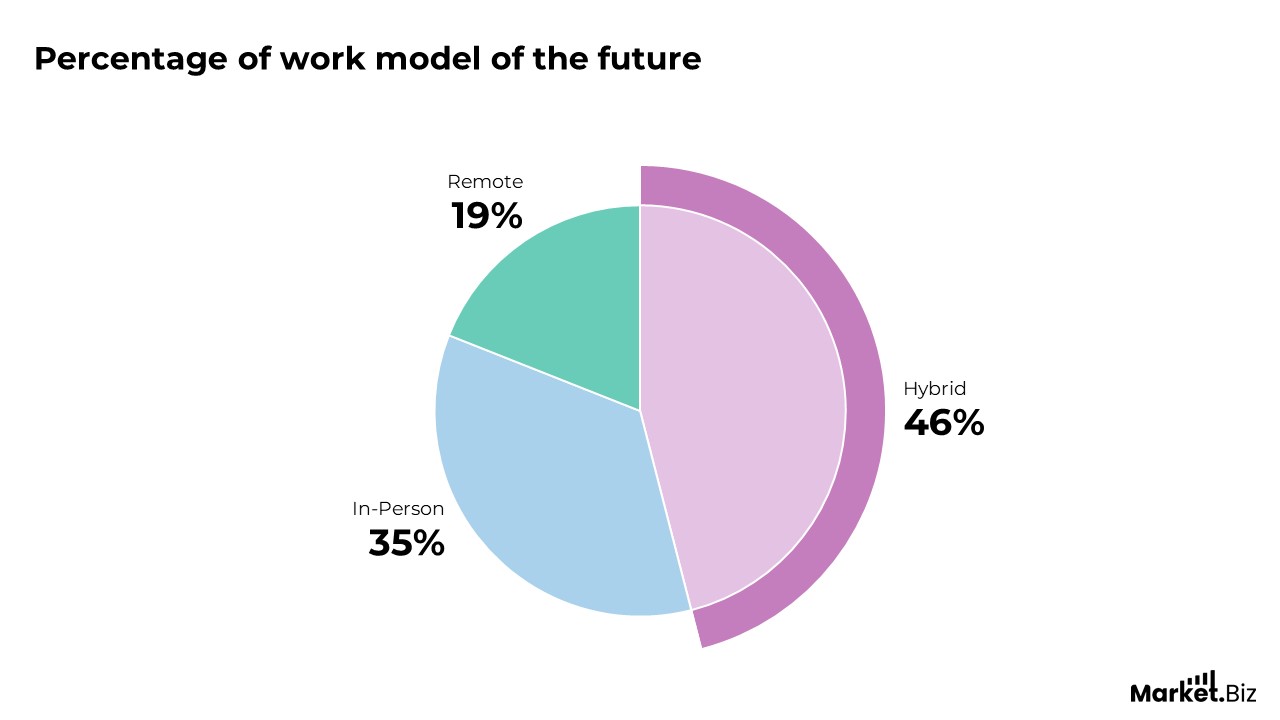
- According to Breezy, 32% of employees want to continue working from their home.
- Currently, 73% of employees are working from home or fully remotely.
- 20% of employees would quit their job if they couldn’t work from home.
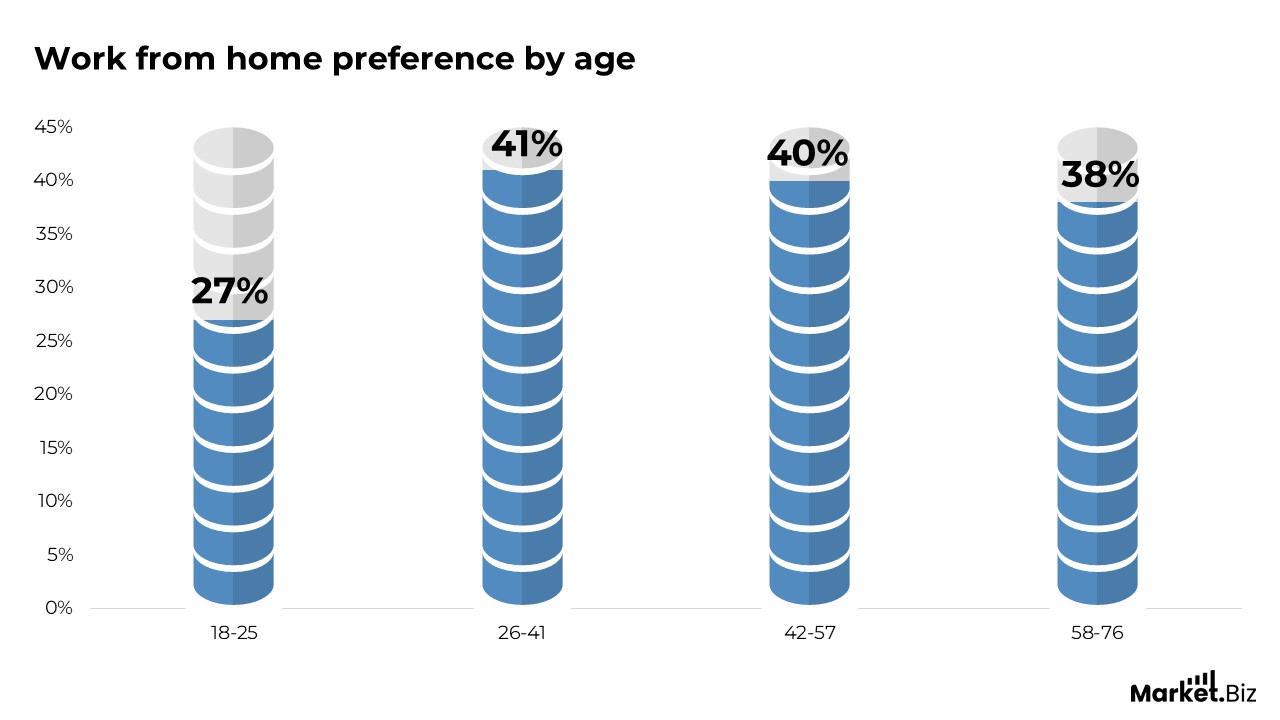
- 41% of people between the ages of 26 and 41 prefer working from home. Only 27% of 18-25 year olds enjoy working from home.
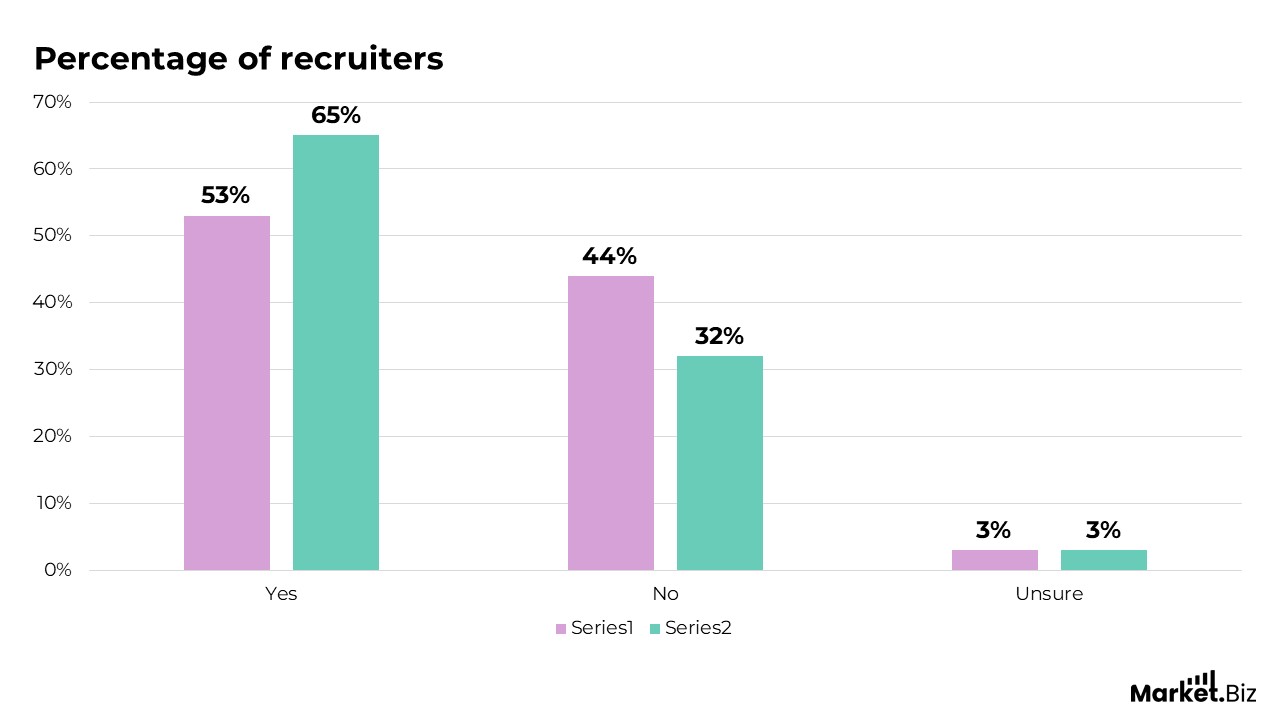
- Gallup data shows that 51% of employers who have adopted a work from home model agree or strongly agree that their employees are more engaged. 19% disagree or strongly disagree with this statement.
- 56% of work from home employees say they receive productive feedback from their managers, compared to 50% of on-site employees and 39% of remote employees.
- 53% of WFH employees feel they are paid fairly, as compared by 50% of on-site employees and 38% of remote employees.
- According to Forbes data, 15% of HR managers struggle to integrate employees who work from home into their company culture.
- Introducing company culture over a Zoom call can be difficult, which is probably why 17% of HR professionals struggled to make WFH employees feel part of the team.
- Work from home job postings on LinkedIn fell from 20.6% in March 2022 to 13.2% in January 2023 and expected to fall up to 9.6% before 2026
- 97% of employees don’t want to return to the office full-time.
- Only 3% of employees and business owners want to work full-time at physical workplaces after COVID-19. The remaining 97% want some flexibility between WFH and in-office work.
- Compared to 21% of remote workers and 43% of onsite workers, 44% of WFH workers think their company’s executives are very involved.
Employee Burnout Statistics
- According to Forbes magazine, 95% of HR managers agree that burnout is a major issue for employee retention.
- According to People Managing People’s data almost 3 in 5 workers report negative effects from work-related stress, including lack of interest, motivation or energy (26%) and lack of effort in their work (19%).
- Same data shows, 36% report mental pressure, 32% report mental exhaustion and 44% report physical tiredness. The numbers are increased by 38% as compared to 2019.
- Among employees, HR managers are the employee group that most frequently affected by burnout, at 43%.
- According to Novoresume, 28% of employees feel anger or anxiety because of their job, and nearly the same number experience negative effects in their personal lives.
- 75% of HR managers say that more guidance from their employer would help them prioritize work and manage stress better.
Quitting Statistics
- According to a report by the Bureau of Labor Statistics, in November 2024, in the United States, approximately 4.5 million individuals quit their jobs and leave the labor market.
- In 2022, on average, 53% of women who left their previous jobs dropped out of the workplace, compared with 43% of men in the same situation.
- According to the data gathered by Monster, in 2025, 57% of employees will choose to quit rather than work in a toxic work environment, and 32% will choose to be fired.
- 32% of employees would leave their current position without finding a new one.
- The top 3 reasons given by employees for quitting their jobs in the last few months are poor work/life balance (23%), need for change (26%), and compensation (38%).
Technology and AI Statistics
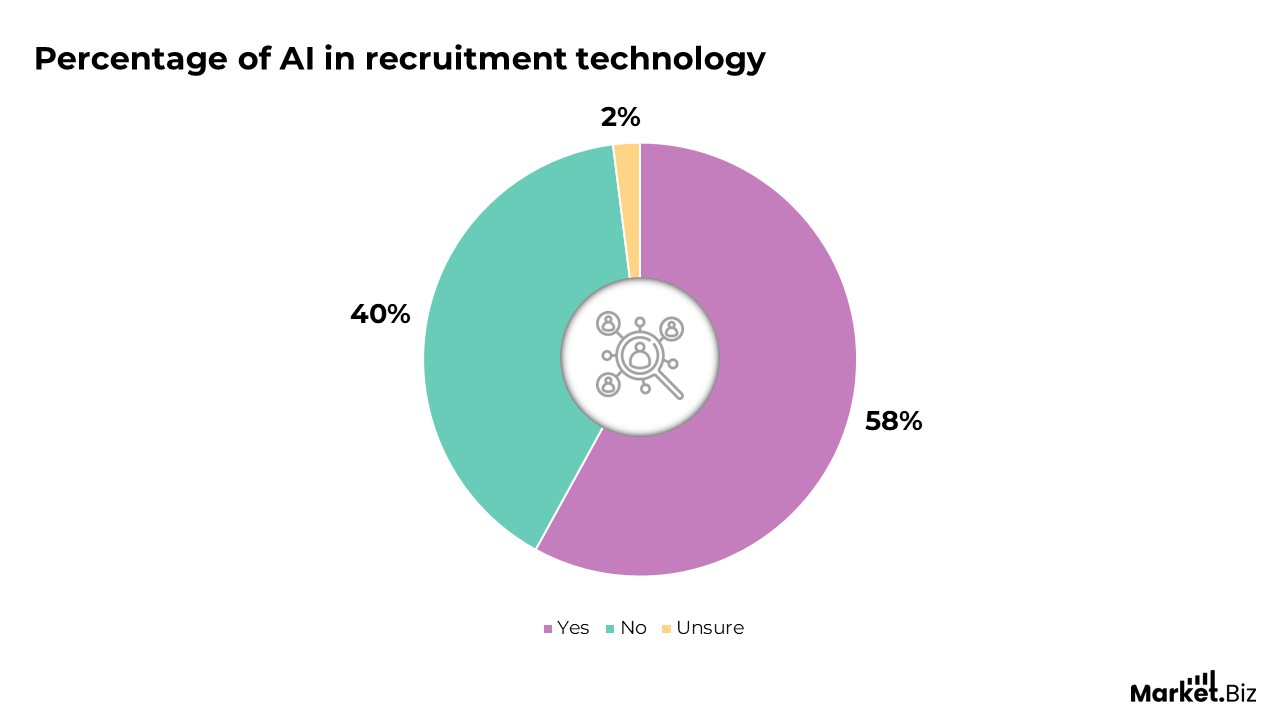
- People Managing People’s data shows the adoption of AI and new technologies will increase by 39% among HR managers and it will be the most disruptive to their workforce in the next 10 years, followed by 30% who said economic uncertainty will be the biggest disruptive factor.
- According to 61% of chief human resources officers, they plan to invest in AI to help HR strategies run more smoothly.
- 43% of HR managers say they don’t have a future of work strategy.
- According to Gallup, 80% of Fortune 500 CHROs say they have no plans to reduce remote/hybrid work flexibility in the next 12 months.
- Over $5 trillion was spent on HR technology by 12.1 million employers in the United States in 2024.
- 74% of companies plan to increase their HR budgets for technology in 2025.
- Companies plan to reduce office space by 30%.
- According to Forbes, 80% of businesses use some sort of HR software.
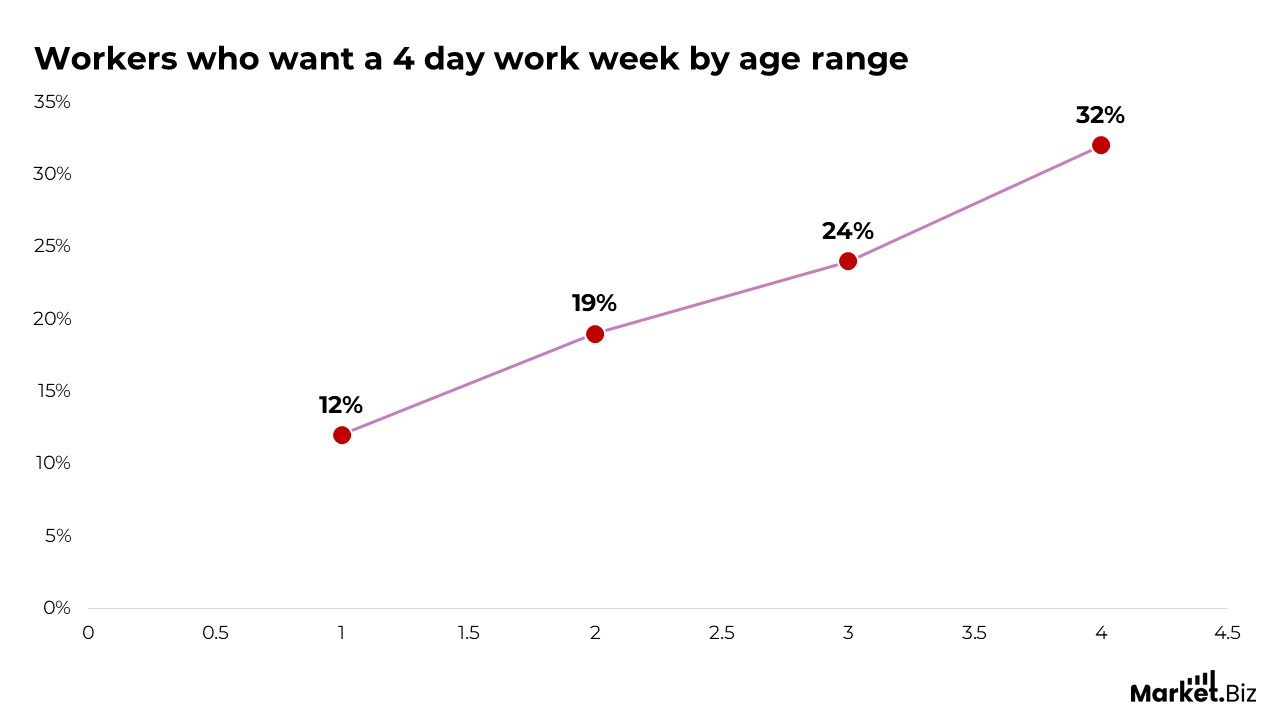
- Most employees are comfortable with a 4 day workweek, and support for a 4 day workweek increases with age, apparently reflecting the need for increased free time for child care.
Conclusion
The HR industry in 2025 will be characterized by rapid technological advancements, changing employee expectations, and the emergence of remote and hybrid work models. To stay competitive, HR professionals will need to stay up to date on new trends such as AI in recruiting, preventing employee burnout, and the growing importance of flexible work arrangements.
Prioritizing employee engagement, mental health, and retention strategies will be crucial to a company’s success. The future of HR is dynamic and requires adaptable strategies that address the changing needs of employers and employees.
Frequently Asked Questions (FAQ)
HR statistics are assessable indicators that are used to monitor and calculate how well an organization’s HR system and policies are working as well as how they affect overall performance.
HR statistics are important because they provide recruitment and human resource managers with unbiased information about how to enhance their initiatives. HR departments wouldn’t know how well their employees are performing or how to make improvements if they didn’t have access to HR statistics.
The most common statistics used by HR include recruitment, employee engagement, productivity, diversity, and employee retention, and productivity.
HR departments commonly track metrics such as employee turnover rate (15-20% annually), employee engagement levels (typically measured via surveys), and performance appraisal outcomes. These metrics help identify areas for improvement and support decision-making in talent management.
Remote work has led to a significant shift in HR practices, with 60% of HR leaders reporting increased use of digital tools for recruitment and performance management. Additionally, employee well-being and flexibility are now central to HR strategies, reflecting the growing demand for work-life balance.
The average cost of hiring a new employee in the U.S. is estimated to be around $4,000, factoring in recruitment advertising, interview expenses, and on-boarding processes. These costs can vary based on the role, industry, and location.